Kander and Ebb Part Two: The Forty-Year Creative Marriage
Broadway's most enduring creative partnership
How They Worked
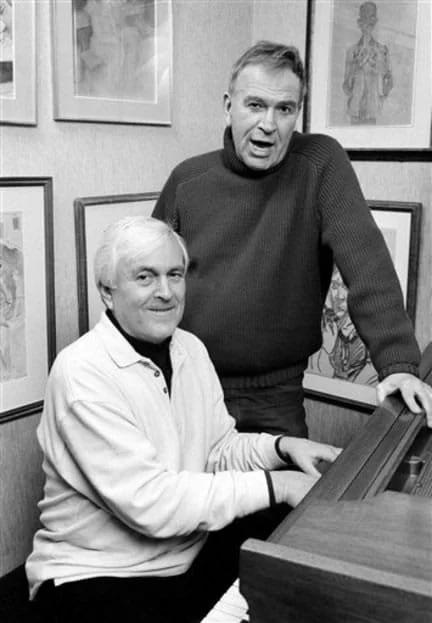
Many song writing partnerships had previously been detached. Maybe the lyricist would write their versus in isolation and post them to the tunesmith and pray that the composer kept heir meter in tact. But John Kander and Fred Ebb wanted to work as two brains on one job, writing most of their work in Ebb’s Manhattan apartment.
Kander was the classically trained musician, and Ebb was unable to read music. But it was Ebb who set the rhythms of the songs, bringing Kander out of the conservatory and into the Burlesque.
The partnership prized speed over haste. They could outrun writers block by writing bad material quickly, rather than good material slowly. If they felt a song wasn’t going anywhere, it was ripped up and thrown in the trash, without looking back.
Kander was the gentler of the two, who only needed a gentle disapproving look to Ebb when he thought a lyric needed improving.
Each partner was monogamously committed to the other. In the early 1970s, musicals god Rochard Rodgers asked Ebb to write lyrics for the musical Rex. You would assume that Ebb would naturally have bitten off Rodgers’ hand to work on the show which would have been the summation of his career. But Ebb turned him down. Ebb was fearful of Rodgers’ discipline and he knew that his fragile self-esteem needed the constant affirmation that only Kander could provide.
Flora, the Red Menace (1965)
Kander and Ebb’s first Broadway show, Flora, the Red Menace, was a box office bomb. Yet in creating the show, the writers found what was to be a key theme repeated throughout their work together, the idea of performance as a survival mechanism.
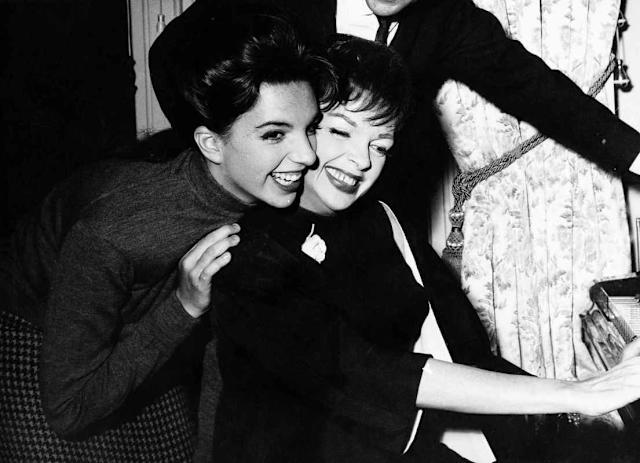
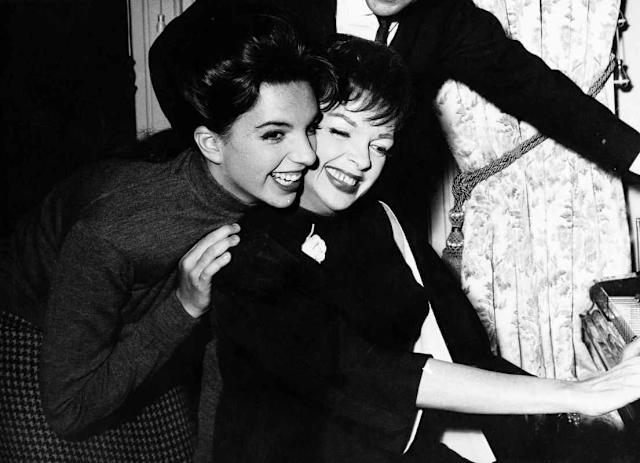
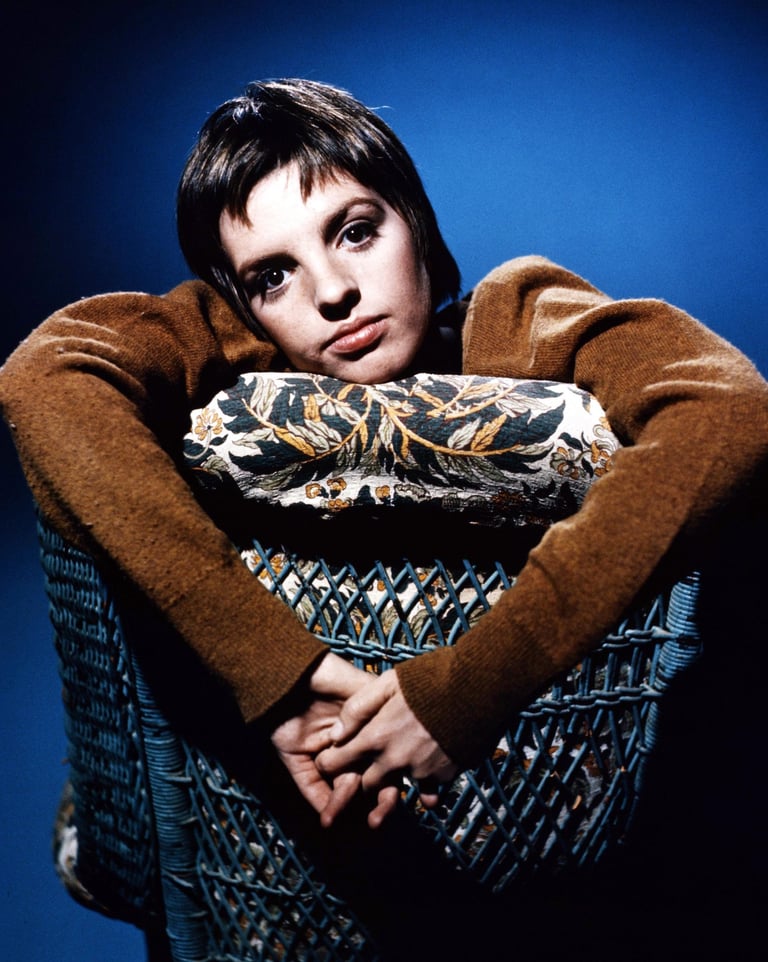
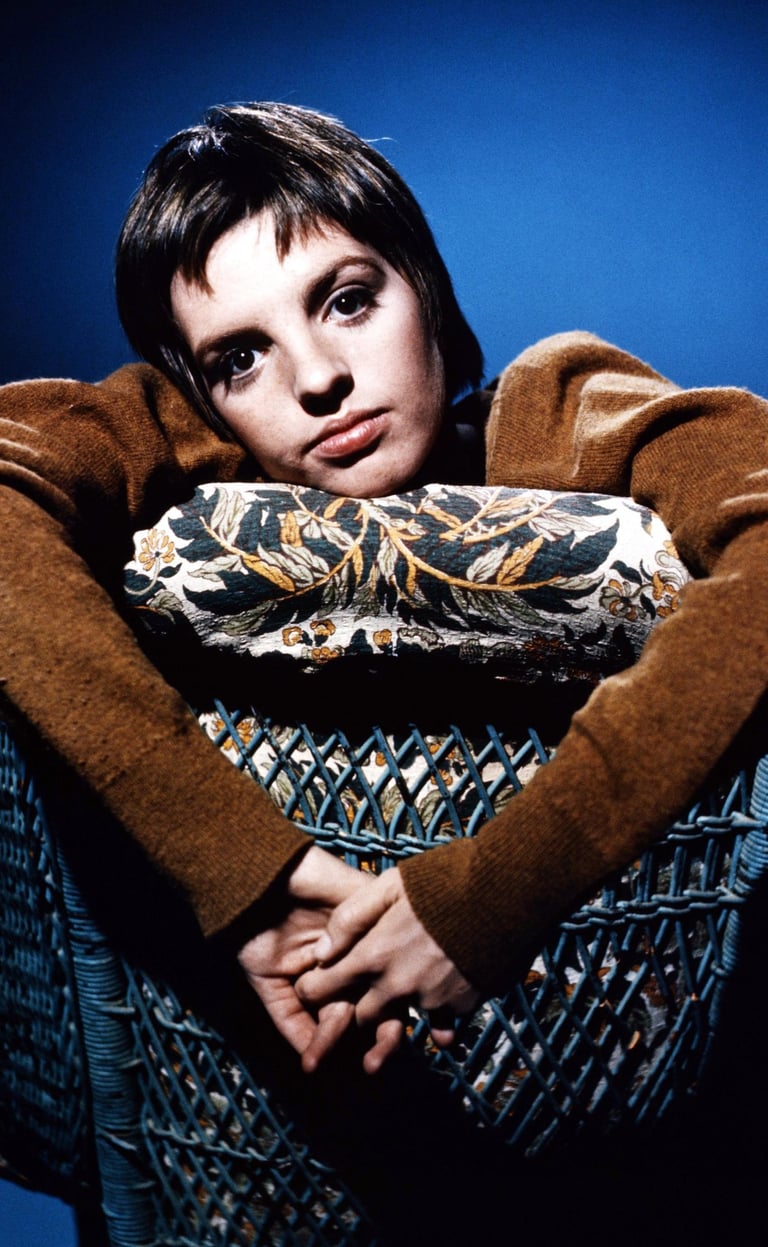
This show starred the raw seventeen year old Liza Minnelli. Minnelli has described herself as the ultimate nepo-baby, the daughter of both Hollywood Screen legend Judy Garland and Hollywood musical directing God Vincente Minnelli. Despite the musical Royalty pedigree, Liza Minnelli lacked confidence and suffered from imposter syndrome.
Under Kander and Ebb’s tuition, Minnelli’s nervous tics were polished into her Oscar winning persona. Minnelli mimicked Ebb’s anxious hand gestures and aggressive pacing.
"Sing happy / Though your heart is breaking / Smile, look bright..."
Flora, the Red Menace
Kander and Ebb’s idea of performance as survival first comes to the fore in the song "Sing Happy." To the ear, it is an upbeat, foot-tapper. In the context of the show’s story, it is the sound of a woman on the edge, singing to keep her existential panic at bay. Minnelli’s vocal breaks, her 11/10 volume and natural caffeinated panicked nervous energy serve to back this up.
Fosse
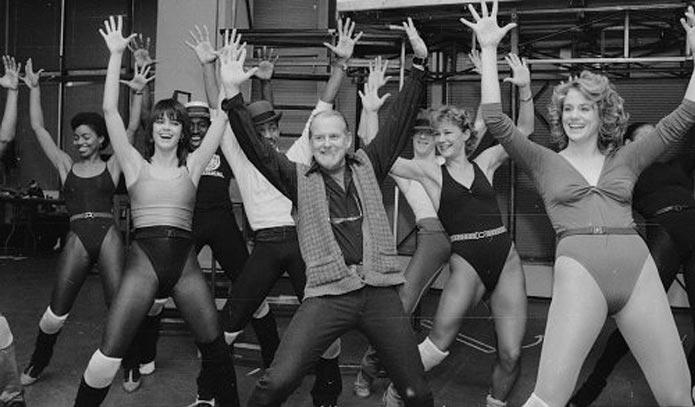
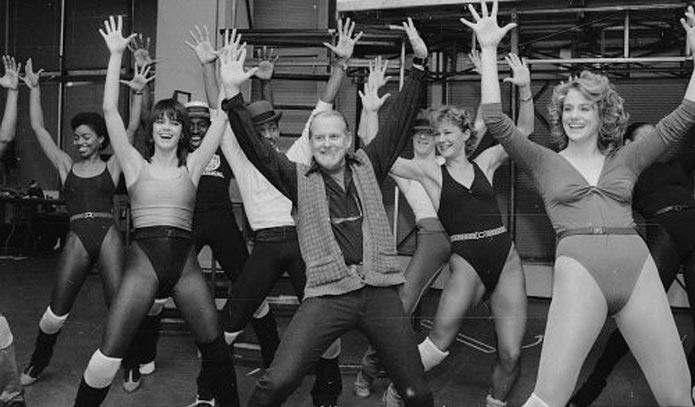
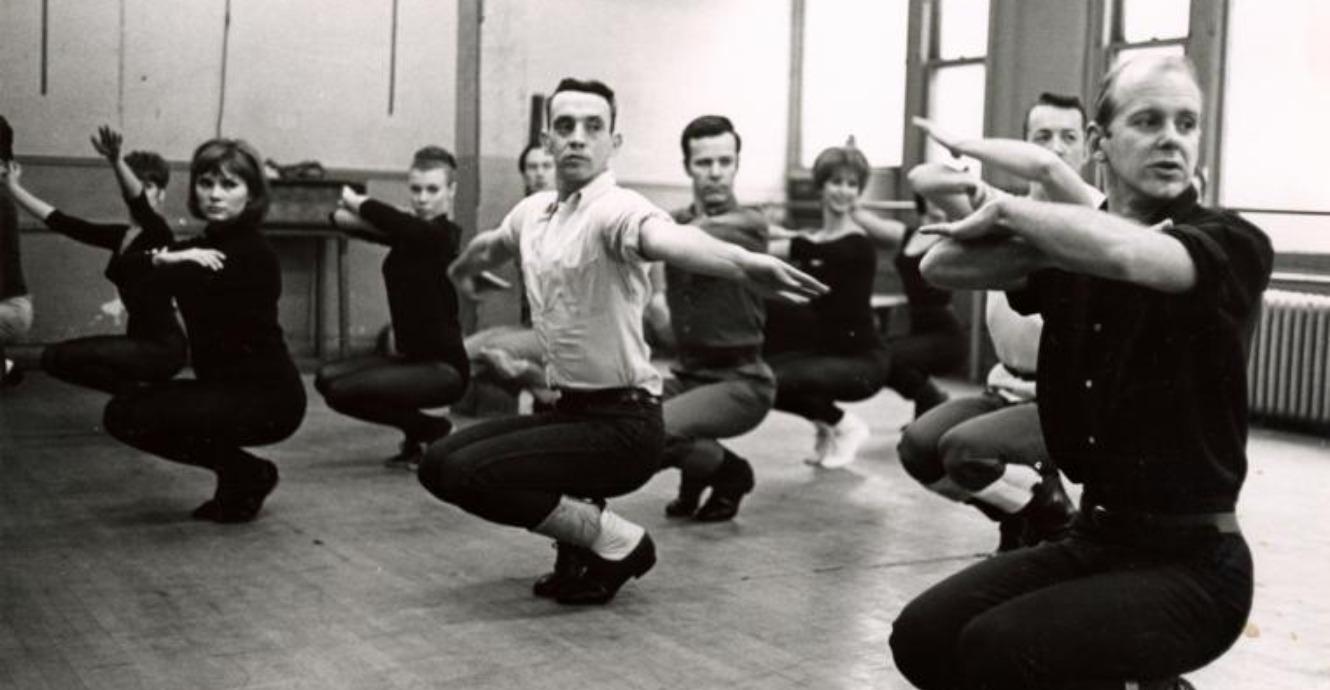
Into the stable working relationship of Kander and Ebb whirled the force that was Bob Fosse. He arrived part the way through the development of the stage show Chicago. Fosse had suffered a near fatal heart attack just before and ripped into the script bringing his haunted intensity to the rehearsal room. He stripped the brassy joyfull vaudeville style from the script, cut certain characters - such as the sleazy talent agent - and cut songs like “10%” in order to keep the focus on the murderers. As a leader, Fosse was seen to use cruel psychological gameplay on his cast and crew.
Fosse was paranoid and convinced that Kander and Ebb were plotting behind his back, Fosse asserted dominance through petty cruelty. During rehearsals, he would whisper "Watch this" to an assistant, then arbitrarily banish the ensemble's most talented dancer to the back row just to fracture the cast’s psychological security.
Ebb originally penned a wickedly vulgar couplet for the song "Class" in Chicago: "Every guy is a snot, every girl is a twat." (NB To our British readers, our American cousins pronounce those words to rhyme - To our American readers, on this side of the pond we say “twat” to rhyme with “cat.”) A scandalised Bob Fosse cut it for being too crude for the 1975 stage. In a parallel, director Rob Marshall originally restored the spicy language for the 2002 Academy Award-winning film and then also cut it.
Kander and Ebb adapted to Fosse’s presence in their creative partnership. When Fosse looked as though he were about to cut the song “Razzle Dazzle,” Ebb had learned to speak pure Fosse. He intuitively suggested adding the signature Fosse minimalist finger snaps to the rhythm of the piece. Fosse loved it.
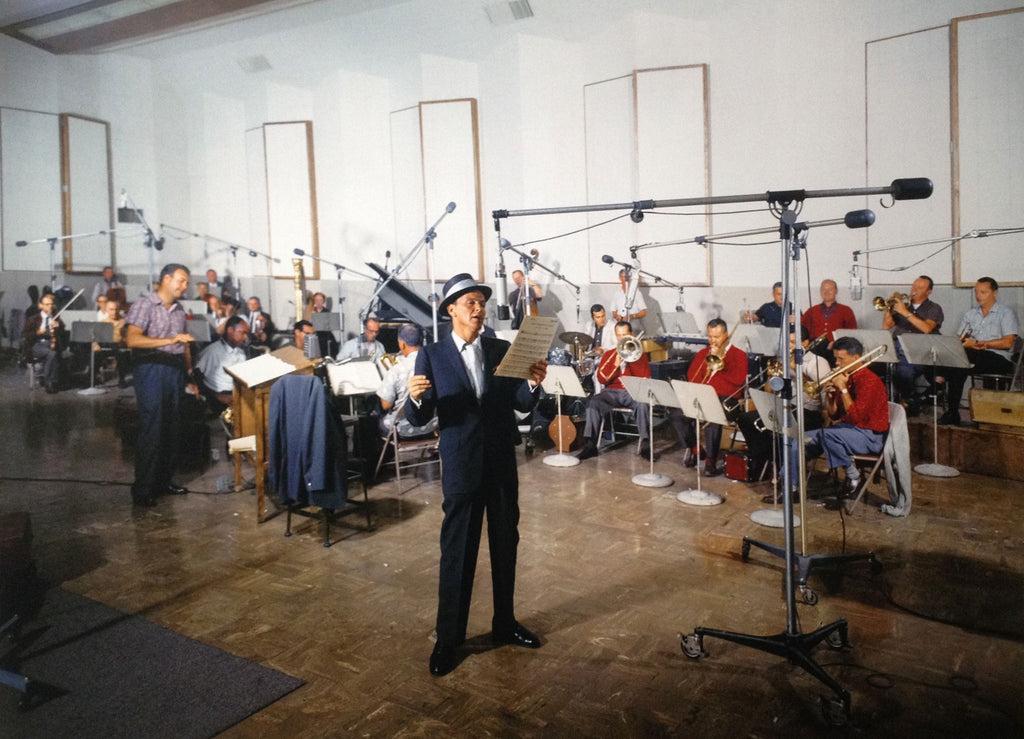
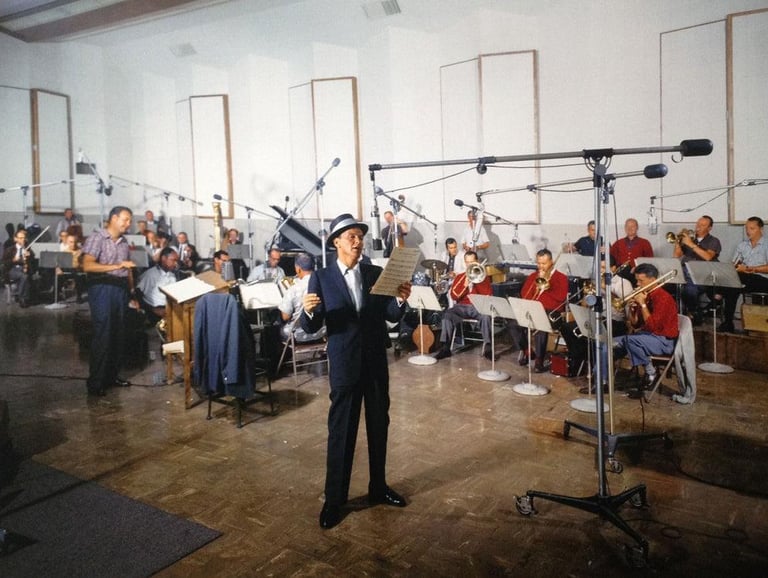
This ability to agree and elaborate proved useful when working with The Boss, Frank Sinatra. When Sinatra was recording his definitive version of "Theme from New York, New York," he forgot the lyrics in the booth. Ol' Blue Eyes improvised the line "I'm A-number-one," which played merry hell with Ebb’s intricate rhyming scheme. The writers privately disliked, but not even Broadway royalty were going to correct Sinatra.
The Anti-Love Song
Utterly rare in the world of musical writers, in Kander and Ebb’s catalogue you will be hard pushed to find a traditional love song. Romance, in their eyes, is not organic. It is a transaction, or an illusion or a scam.
Transaction
In Chicago, Roxie Hart sings a sultry ballad "Funny Honey" to flatter her weak husband Amos. Whilst the tune sounds like cooing devotion, the lyrics undercut this vibe as Roxie is seen to manipulate him, framing him to take the blame for a murder she committed. Here romance is transactional as a business expense.
Theatrical Necessity
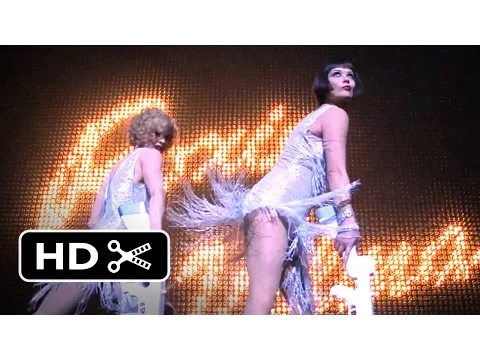
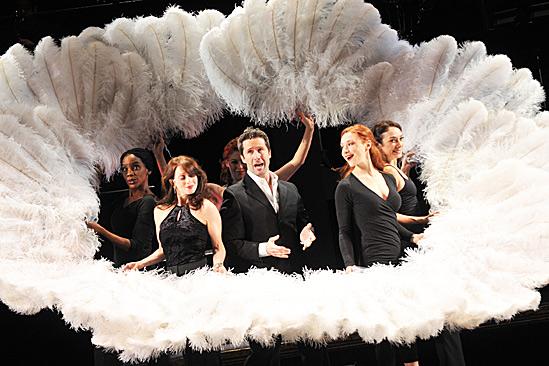
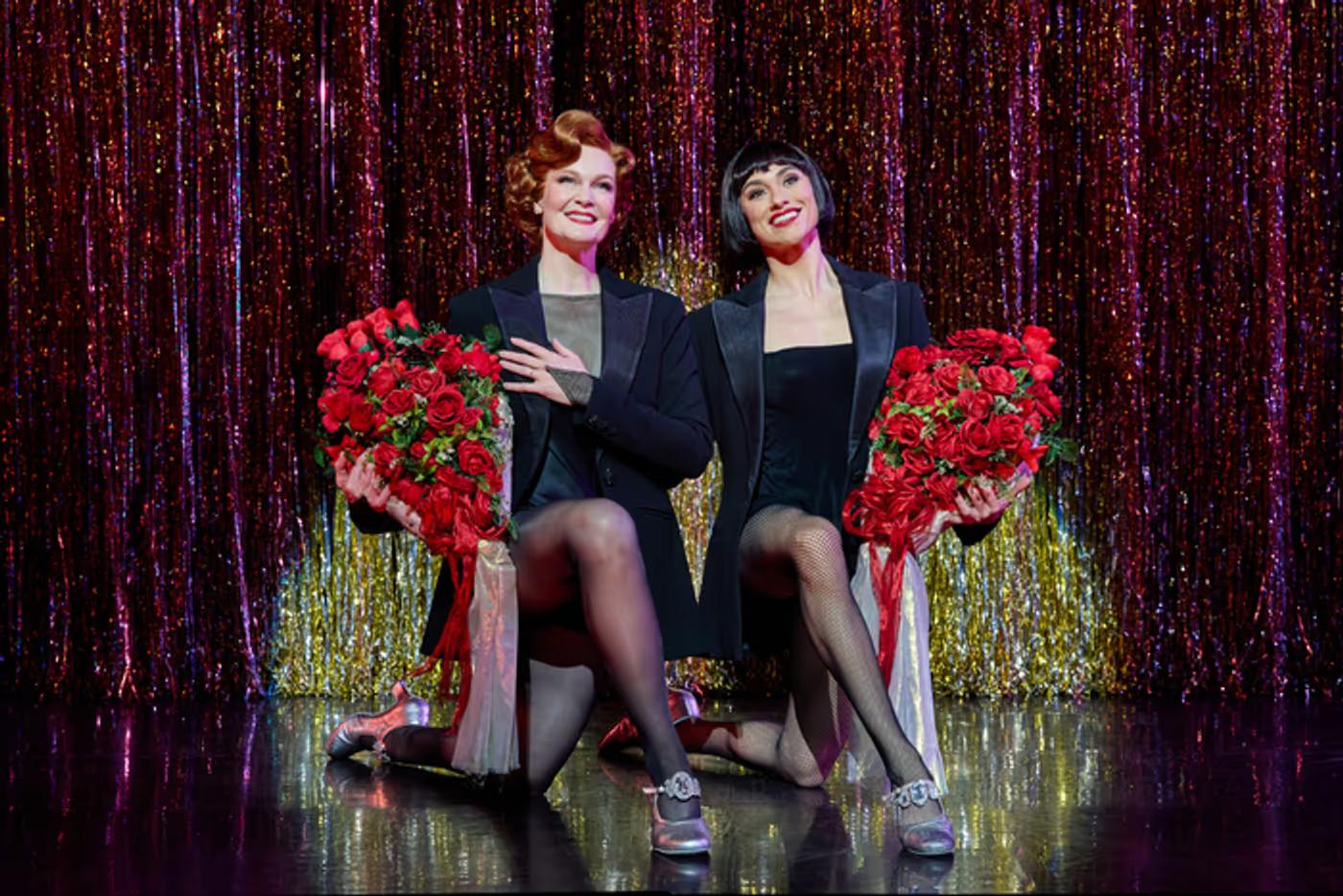
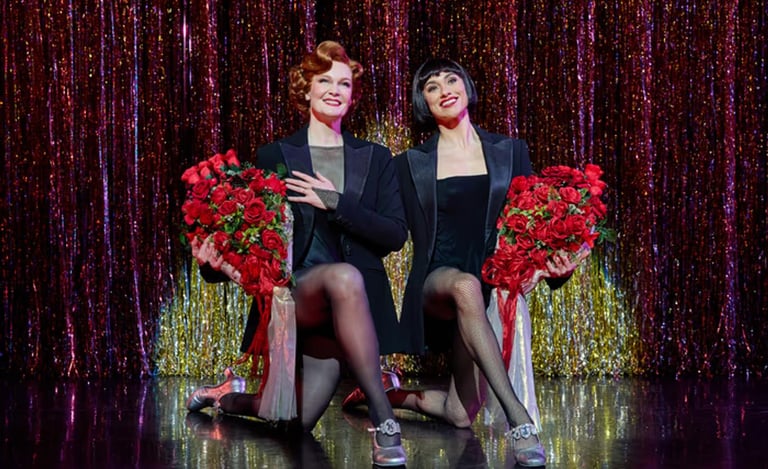
The finale of Chicago, "Nowadays," was written in a sixty-minute panic when the creative team realised that the show was lacking the big punch ending. The show’s anti-heroines, Roxie and Velma, loathe one another. Yet, they step onto the stage in perfect harmony because they realise that their mutual notoriety is the only currency that sells tickets. Their partnership is a mask they put on for the public for box office returns, not true friendship.
"A quiet thing / To realize this dream / Has no bells..."
Flora, the Red Menace
Even when they attempted a ballad of affection, they ended up inventing the "anti-ballad." In "A Quiet Thing," from Flora the Red Menace, they explored coupling with an absence of grand, operatic emotion. They argue that finally achieving one's deepest desire brings not a crashing crescendo of church bells, but a melancholy stillness.
Watch
Liza Minnelli performing "Sing Happy" on television (1960s or early 1970s)
Kander and Ebb polished Minnelli's raw, anxious tics into an Oscar-winning persona, using an 11/10 volume and caffeinated energy to turn a foot-tapper into a cry of panic.
Explore the Series
← Part 1: Kander & Ebb Part: In Harmony
→ Part 3: Kander and Ebb Part: The Style
Renée Zellweger and Catherine Zeta-Jones performing "Nowadays / Hot Honey Rag" from the 2002 film Chicago
Two women who loathe each other step into perfect synchronisation because they know notoriety is the only currency that sells tickets.