Kander and Ebb Part Three: The Style
From musical vamps to biting satirical lyrics


A standard Kander and Ebb number typically uses these four stages of dramatic progression.
Performance Style
Director Gower Champion coined the phrase "the guilty numbo" to describe the specific performance style required for Kander and Ebb songs. Actors were instructed to deliver their numbers with a flat, low-energy, signalling a lack of moral substance.
The Music
Kander was a remarkably self aware composer. He preferred not to compose at the keyboard as he didn’t want his hands to fall into favoured natural patterns that he was used to, challenging his habits by imagining music in his mind before he got to work it through his body. He wanted his music to disarm the audience and to do so he needed the music to give them a sense of false security. The music needed to be the velvet glove concealing Fred Ebb’s hidden horse shoe.
The Setup
The narrative establishes a distinct performance area. A piano vamp establishes the emotional tone of the character about to sing.
The Bridge
The dialogue starts to rhyme, transitioning the script into the musical umber. The performer blurs the boundary between natural speech and song.
The Song
Kander creates a musical pastiche with a sound which is familiar to us, giving a warm sense of security.
The Payoff
The lyrics are satirical and shatter the charm of the melody. A final line twist leaves the audience in shock.
Tonal Dissonance
Kander added a persistent sense of unease into his scores through the use of a harmonic instability. Even when a melody appeared to be behaving itself, resolving nicely to a comforting, familiar key, he added harsh notes outside the standard keys, to throw the feeling of the tune out of whack. Think of the iconic opening to Cabaret, the incomparable "Willkommen." The job it is seeming to do is to invite you to a party in a bright room-pan style. Yet Kander’s arrangement, deliberately skewing the harmony now and again, tells you that this is a world of moral decay.
In "Sing Happy" (from Flora, the Red Menace), Kander undercuts the traditional expectation of a build up in a Broadway show tune. Traditionally songs escalate upwards to signal triumph, but this number has a chord sequence that mirrors the tightening spiral of a mental breakdown.
The Piano Vamp
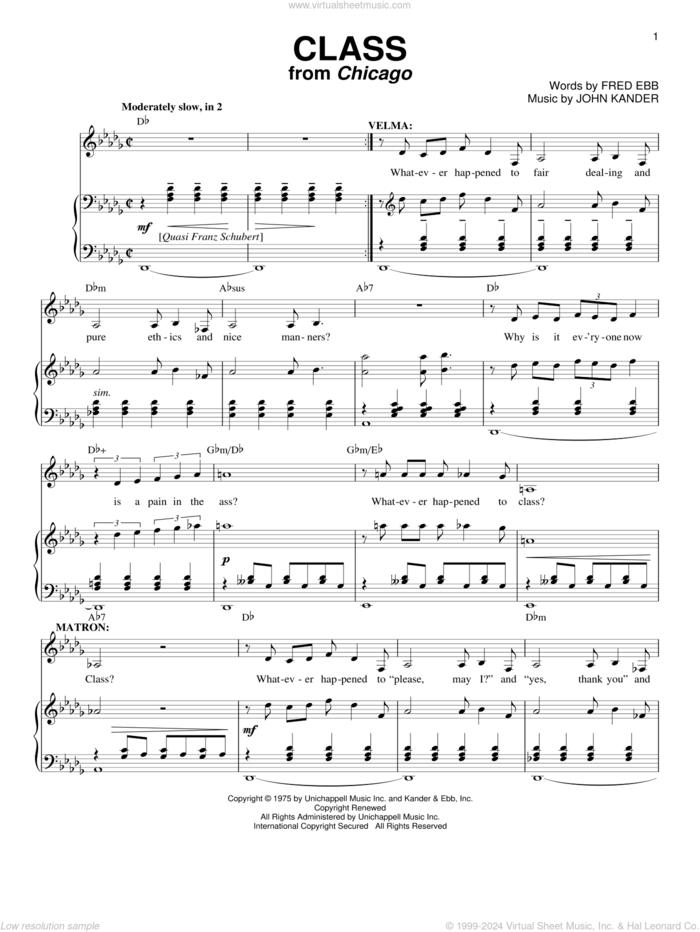
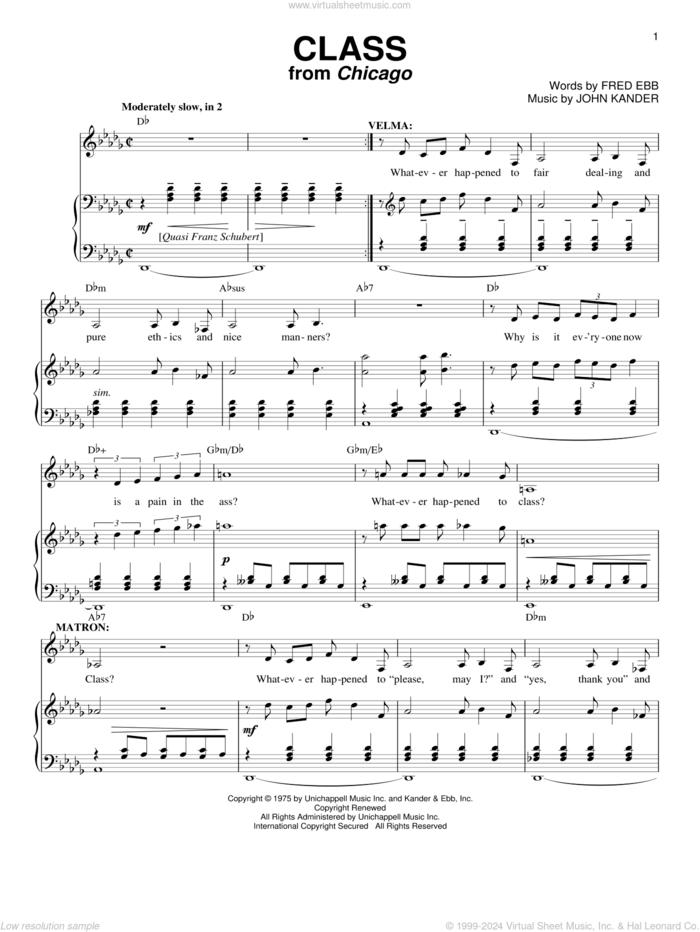
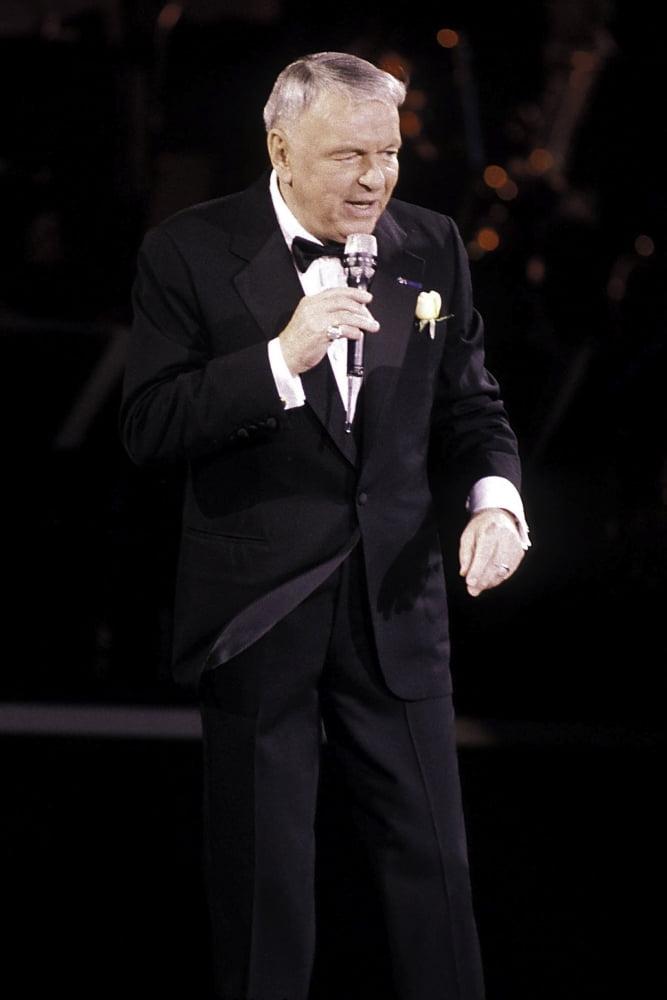
One of the elements most associated with Kander’s style, is his use of the vamp. This is a repetitive pattern of chords with a driving bass pattern that sets the tone of the song. Before a character draws breath to sing, Kander’s vamp tells you what they are thinking, how anxious they are, what their heartbeat is, whether their soul is near the edge. The perfect example of this is the instantly recognisable opening to their big hit "Theme from New York, New York."
(NB Musicals fans - the song is called Theme from New York New York in order to differentiate it from On the Town’s New York, New York by Camden Green and Bernstein).
Musical Parody as Satire
Whilst there is much parody in the music of Kander and Ebb, it is not employed for nostalgia or cheap gags. The musical pastiches are the core means by which the writers point out societal rot. By creating immaculate replicas of specific songs and styles we know well, Kander gives a comforting shorthand to his audience. This happy place is then twisted when the lyrics spring a morality trap.
Whereas for Rodgers and Hammerstein the song is soliloquy, a character directly addresses the audience and we understand something about the character’s inner truth, for Kander and Ebb the songs are self aware performances that highlight how truth can be manipulated, commodified or covered up.
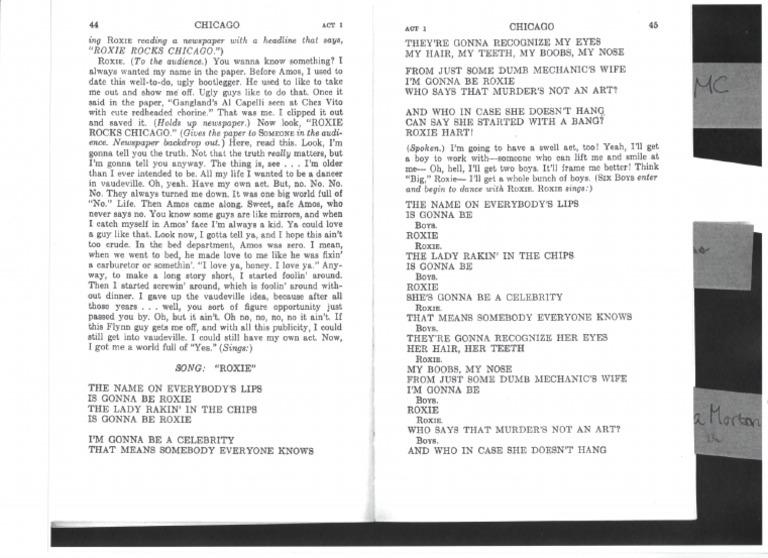
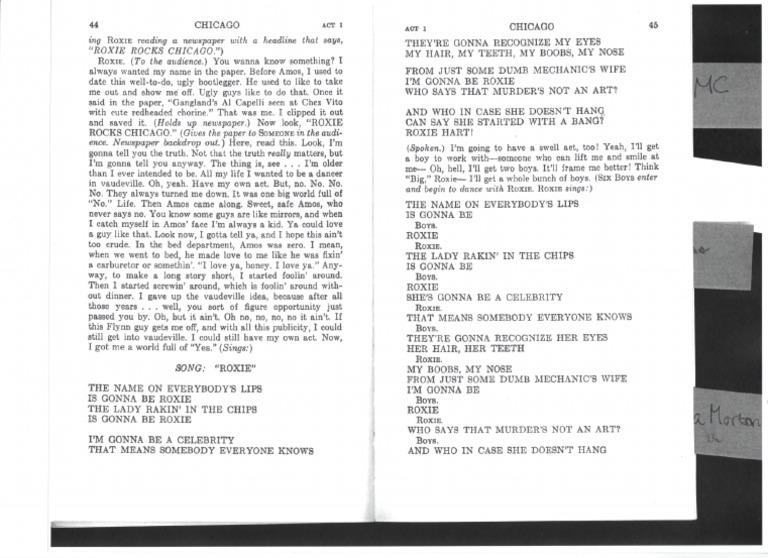
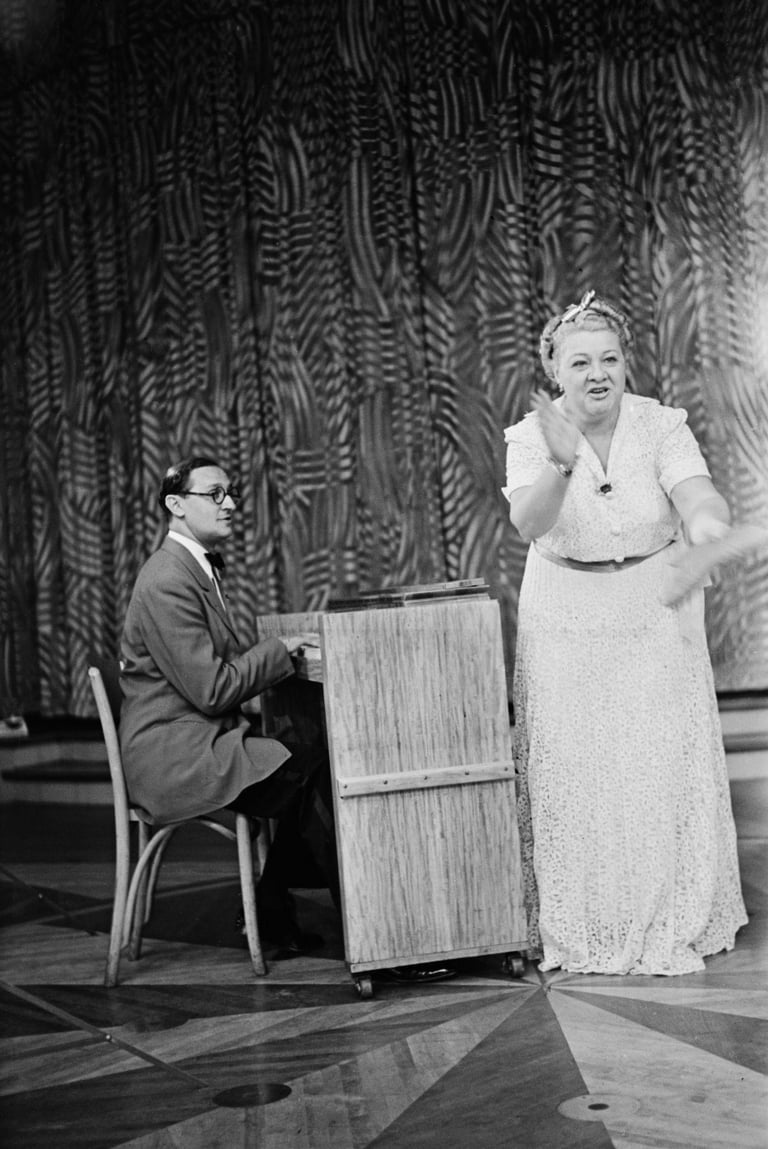
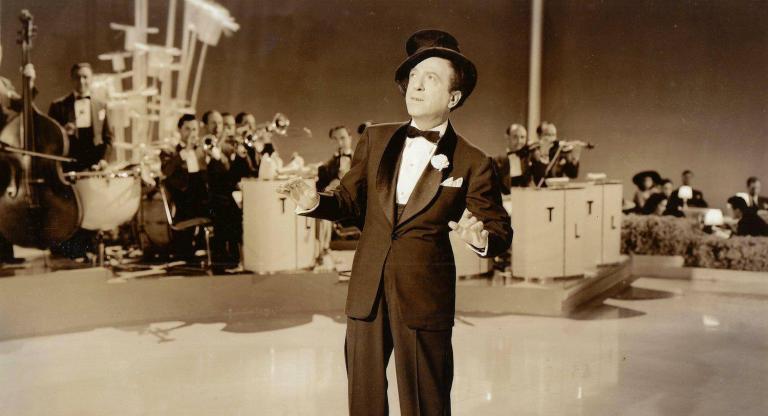
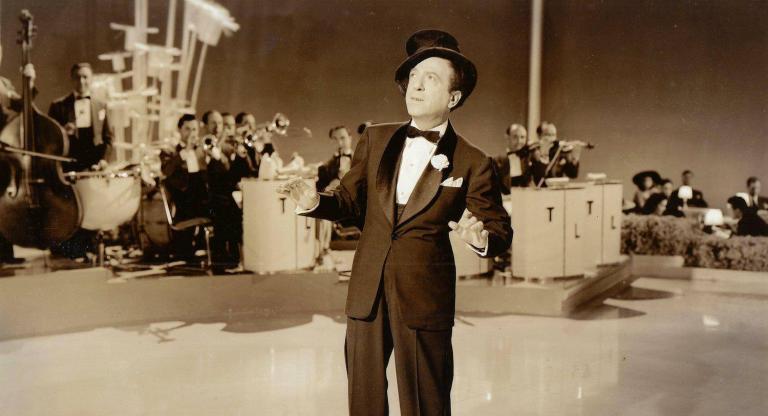
The show Chicago is performed like a gaudy Vaudeville show which parodies the American justice system. With many of the numbers, the writers have a specific historical performer in mind to parody. When prison warder Mama Morton belts out "When You’re Good to Mama," Kander is channeling the brassy, “Last of the Red Hot Mamas” singer Sophie Tucker, who describes how a corrupt system can be a survival guide. When slick lawyer Billy Flynn sings "All I Care About" the writers are borrowing the top-hat-and-cane showmanship of British band leader Ted Lewis in order to mock the court system as a form of theatre. Roxie Hart’s fake pregnancy in the song “Me and My Baby" mimics the wide-eyed energy of Eddie Cantor. And most emotionally effective, the number "A Little Bit of Good" is inspired by the sincerity if Jerome Kern’s "Look for the Silver Lining" to show how easily optimism can be used as a weapon. In “Mr Cellophane,” the character of Amos Hart is shown to be a tragic, sad clown through a soft shoe shuffle type of tune, which could come straight from the songbook of American performer Bert Williams.
Through its setting, the music in Cabaret takes its cue from the Weimar Republic. Here the sinister, harsh rhythms, awkward syncopation and skewed brass stabs of the Kurt Weill and Bertolt Brecht school are used as a backdrop to dark social commentary. The opening "Willkommen" uses a pulsating, hypnotic cabaret beat to bring the audience in to the world of the show, while Fräulein Schneider’s tired waltz in "So What?" channels a Marlene Dietrich-esque ennui, which mirrors the path society’s collapse. Whereas Rodger and Hammerstein created a pastiche Austrian national anthem in Edelwiess, Kander and Ebb went in the opposite direction for "Tomorrow Belongs to Me." They present a sounding traditional German folk song hiding a nationalist anthem, smuggling radical evil in beautiful tradition.
Whether using the frame of the minstrel show in the unsettling “The Scottsboro Boys” to make a racist form of theatre indict itself, or satirising the optimistic, booster style lyrics of Rodgers and Hammerstein’s “Oklahoma” in their hit tune “The Theme From New York, New York," Kander and Ebb show that the catchiest melodies can be the most deadly.
Lyrical Wit
When paired with John Kander’s graceful tunes, Fred Ebb’s emotionally indifferent lyrics brought the barbed wire.
"Give 'em the old razzle dazzle / Razzle dazzle 'em / Back 'em up against the wall..."
Razzle Dazzle, Chicago
Breaking the Fourth Wall
Ebb's frequent narrative device was to tear down the theatrical illusion for the audience. Ebb regularly employed a master of ceremonies character who addresses us directly. In Cabaret the Emcee steps out of the narrative to offer a commentary on the action that feels detached. When he chants "Willkommen, bienvenue, welcome" the hospitality feels hollow, forced and desperate like he already knows that he is part of a world that will soon disappear.
Slogans and Lyrical Cages
Cole Porter was famous for his list lyrics. In songs like “You’re the Top” or “Brush Up Your Shakespeare” he piled idea upon rhyming idea to overwhelm his audience with the brilliance of his wit. Ebb used a similar idea, instead employing "list lyrics" to trap his characters in a cage of words. In The Rink, Ebb gives us “Don’t ‘Ah Ma’ Me” with its machine gun fire domestic warfare. He also used show business slogans to expose societal rot. In Chicago’s "Razzle Dazzle" the audience are told that they are being conned, framing the American justice system as no more than a flashy PR stunt.
The "Frontstage" Musical
Kander and Ebb’s greatest contribution to the evolution of the American musical was the idea of the “Frontstage musical” - as opposed to the backstage musical.
In the traditional model, a character bursts into song to express emotions when mere speech isn’t enough. Kander and Ebb sought to invert this. Their characters sing in order to deliver metaphors that hit harder than dramatic dialogue, delivering a commentary on the story. Outside the theatre is a real world, where the Nazi party rises to power or the courts are corrupt. But in the theatre, on the stage at the cabaret or on Chicago’s vaudeville runway, or The Scotsboro Boys’ minstrel show, the unvarnished truth can be told.
The Psyche as a Vaudeville Stage
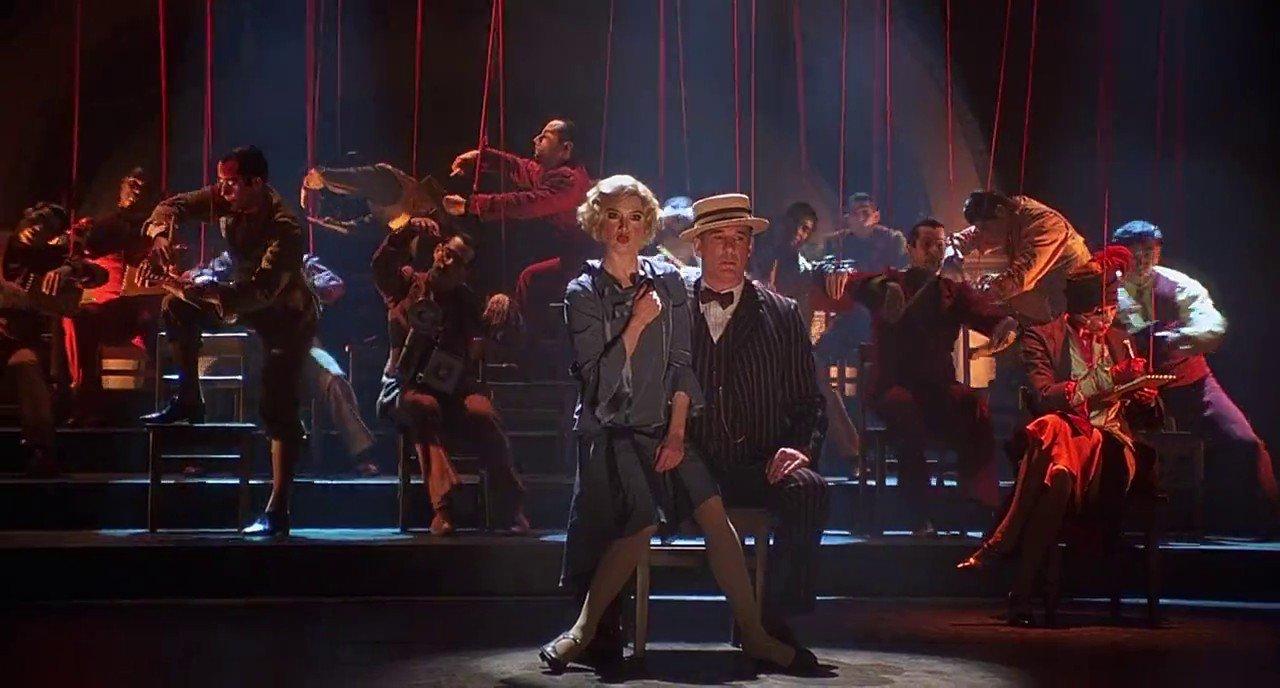
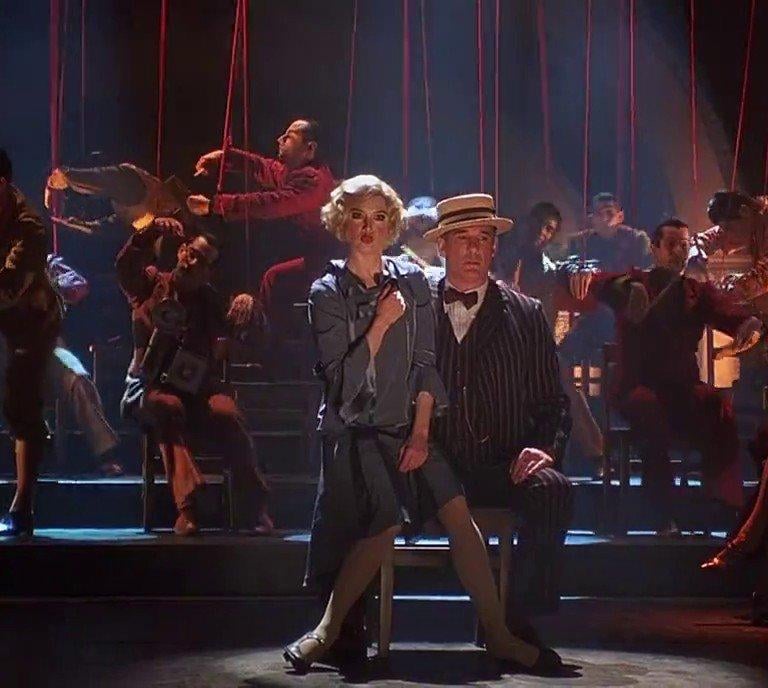
In Chicago, the whole story is presented as a dream vaudeville revue taking place inside Roxie Hart’s mind. Just as in The Kiss of the Spider Woman, which explores a prisoner’s fantasies, the reverie is Roxie’s defence mechanism. She replays her murder trial as a sensational peep show and morphs a corrupt courtroom into a ventriloquist act, manipulating reporters like wooden dummies. In this cynical landscape, survival is through brilliant performance. Perhaps the finest example of this in action is in Chicago’s “Cell Block Tango,” where the lyrics are stark rhythmic chants to a spare tango beat. Here the perpetrators of domestic homicides confess all in a slinky seductive dance routine, where violence is repackaged as commercial entertainment.
Audience Complicity
Kander and Ebb made their audiences complicit in what they were watching. In buying a ticket they became part of the corruption being satirised. The original set design for Cabaret featured a giant mirror which showed the audience that they were not historians looking back at the tragedy from the safety of the future, but that they were patrons of the Kit Kat Klub, enjoying the entertainment while the world changed outside.
For the film of Cabaret, director Bob Fosse highlighted this theme of fragmentation. He turned his back on the traditional Hollywood approach of spewing long shots in favour of quick fire cuts. This choppy editing interrupts the flow and pleasure of the dance, reminding the viewer of the artificial nature of the medium of cinema.
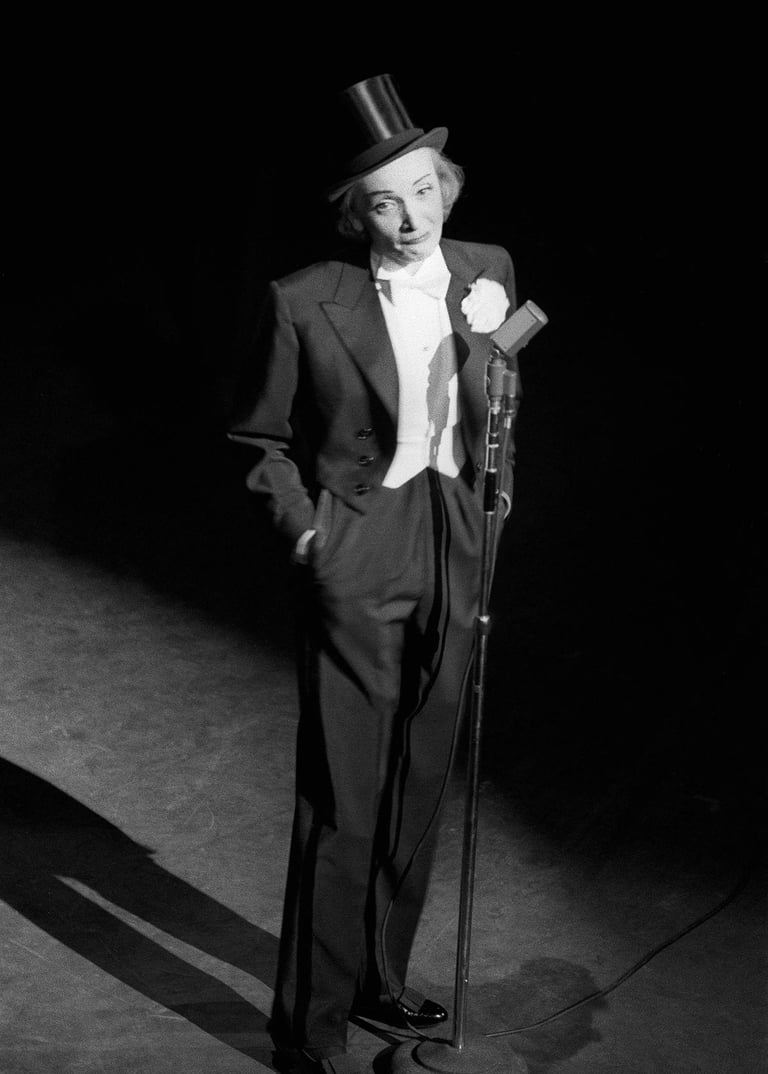
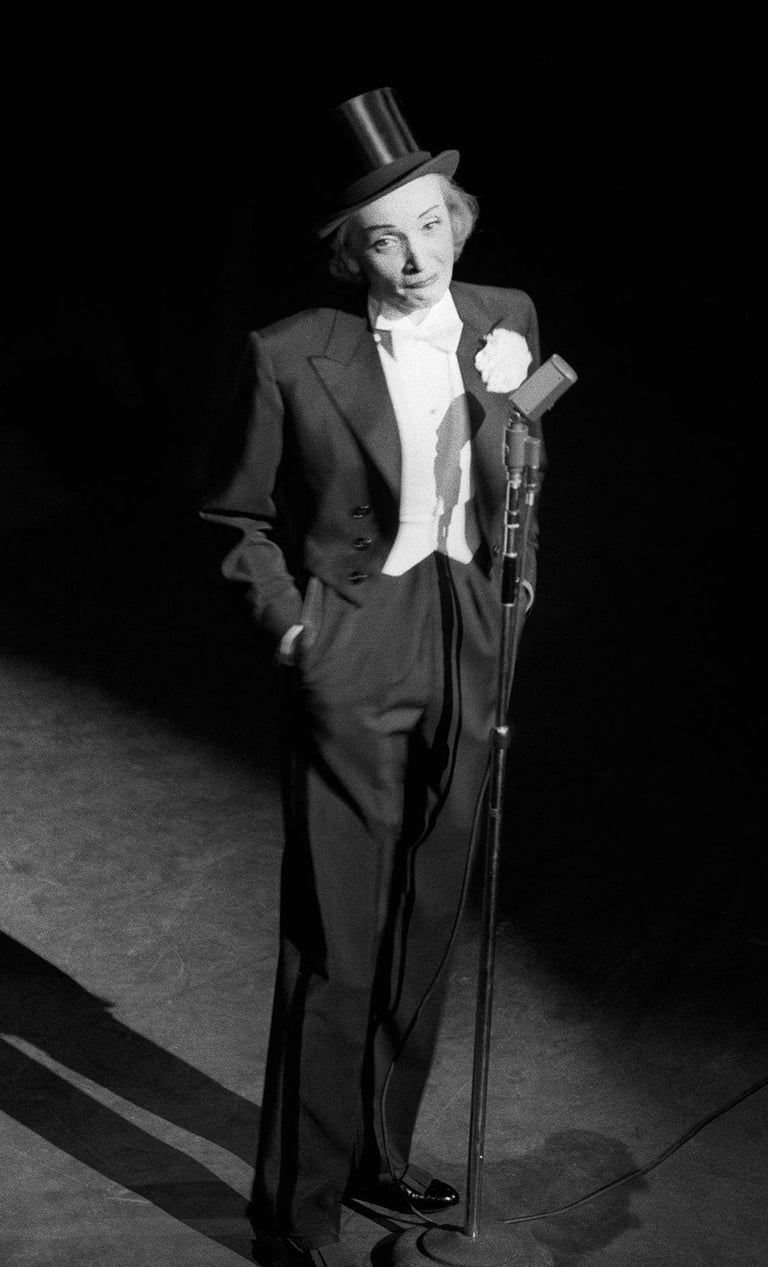
The singer of a given song often performs alone in a dark void. This is a visual metaphor for how isolated from reality the singer is.
Watch
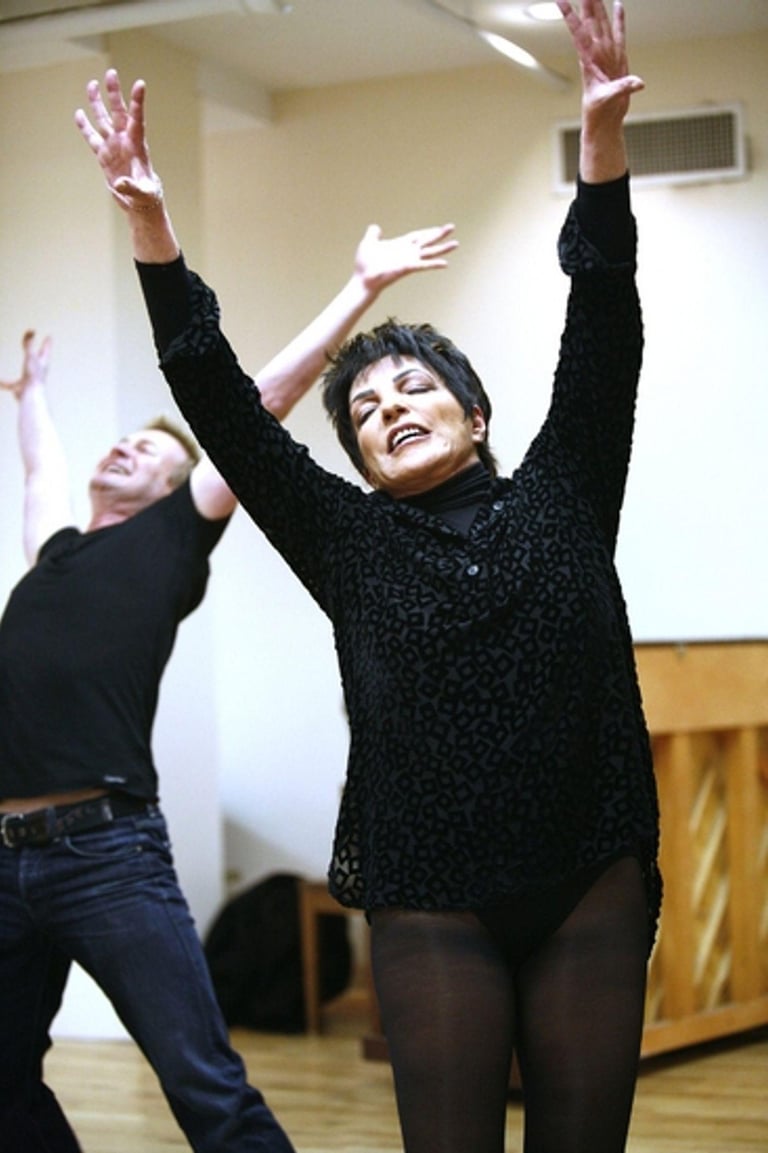
Liza Minnelli - New York, New York (1977)
Kander’s legendary use of the piano vamp, the driving, instantly recognisable pattern of chords that sets the heartbeat, anxiety and pace of the character before they even draw breath to sing.
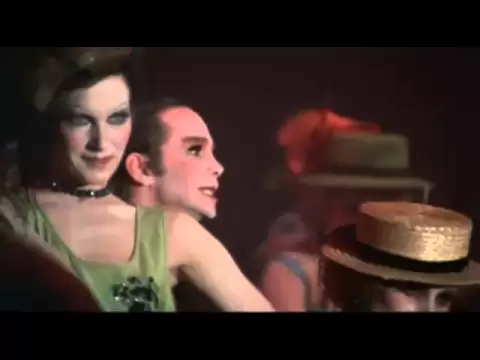

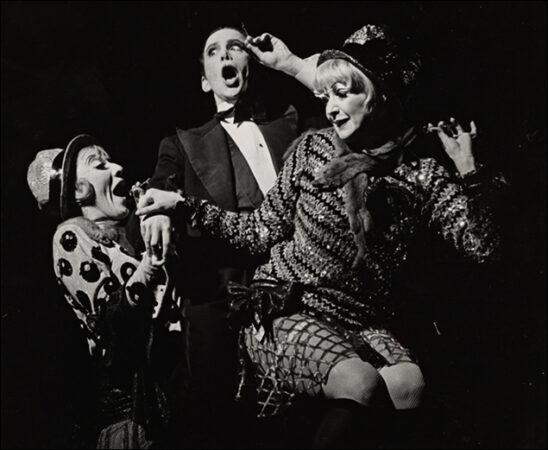
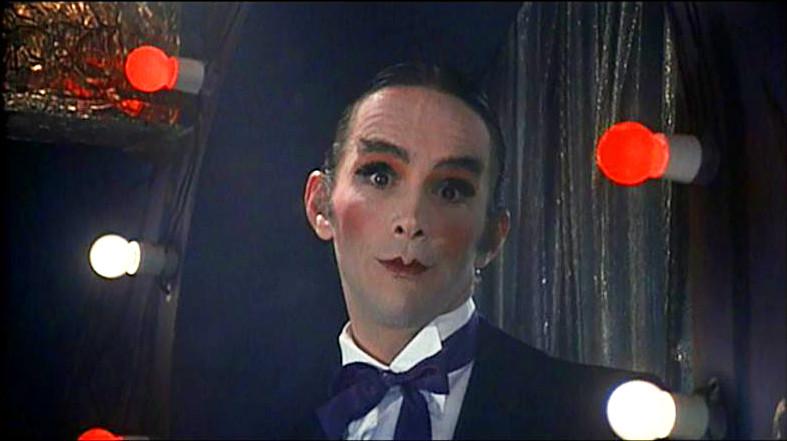
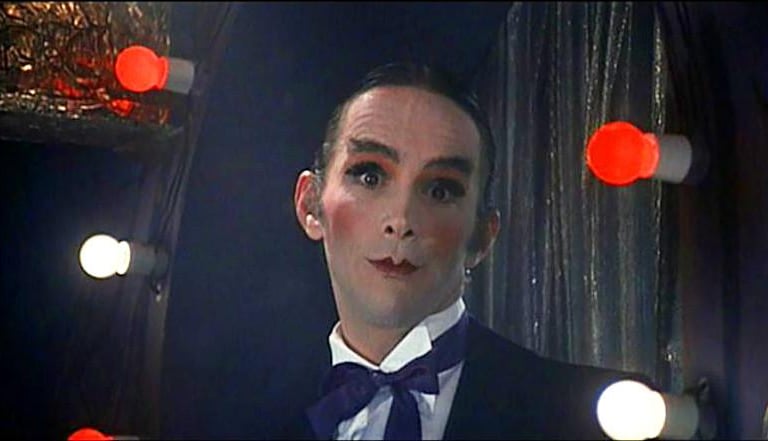


Joel Grey performing "Willkommen" from the 1972 film Cabaret
Tonal dissonance in action, where a welcoming, bright party tune is spiked with a skewed harmonic arrangement to signal the underlying moral decay of Weimar Berlin.