Kander & Ebb Part One: In Harmony
The meeting of two masters
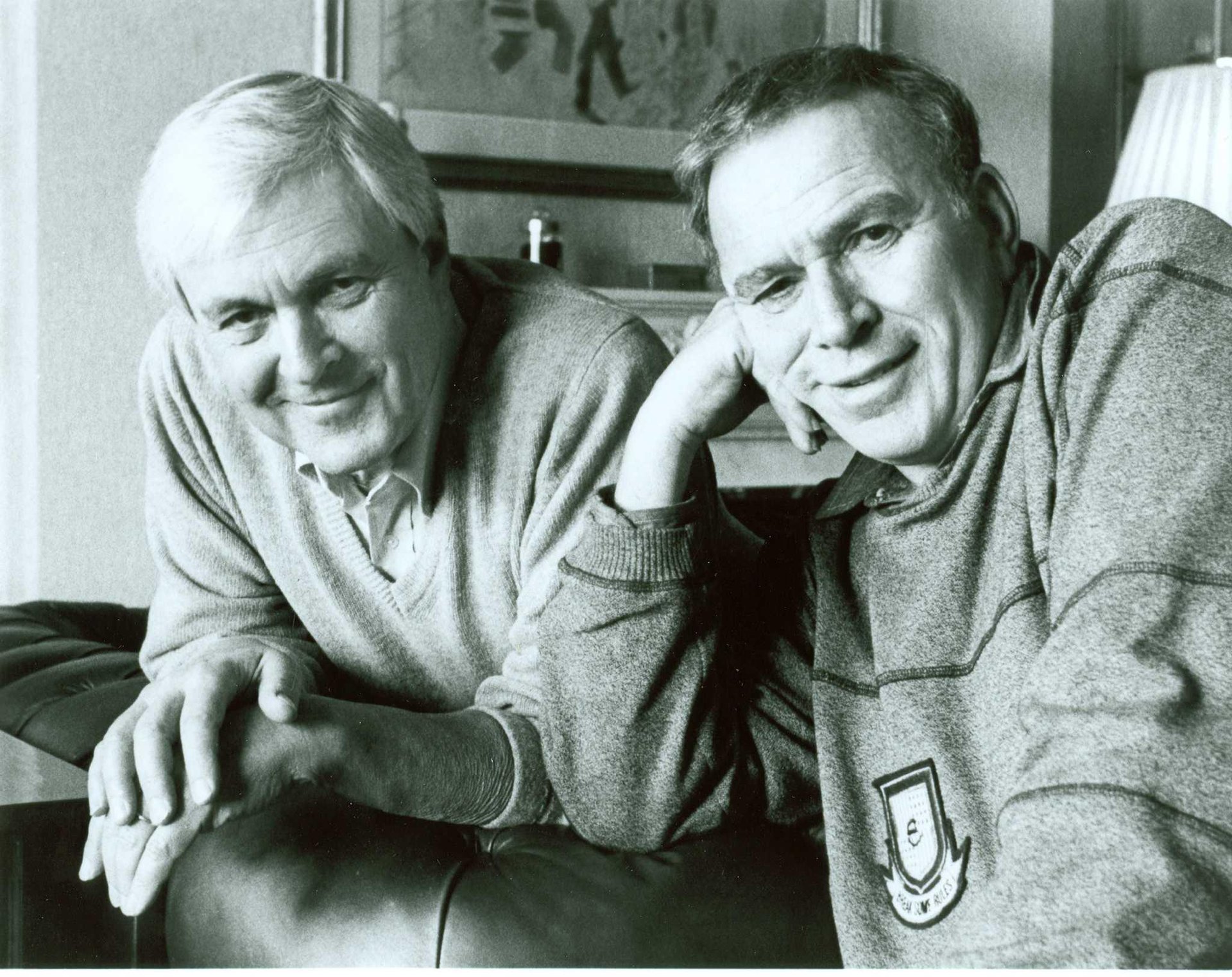
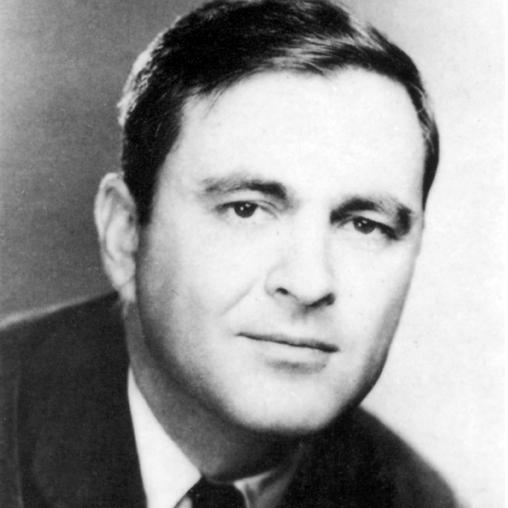
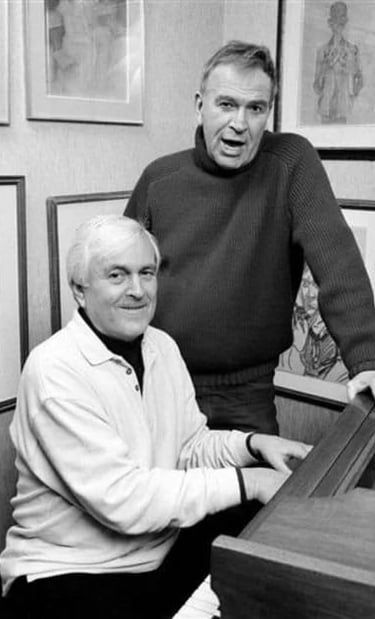
Let’s get it straight to start with. John Kander is the composer - the provider of the vamps and the jazzy Kurt Weill style tunes. Fred Ebb is the cynical lyricist, giving satirical bite that undercuts the jauntiness of the music.
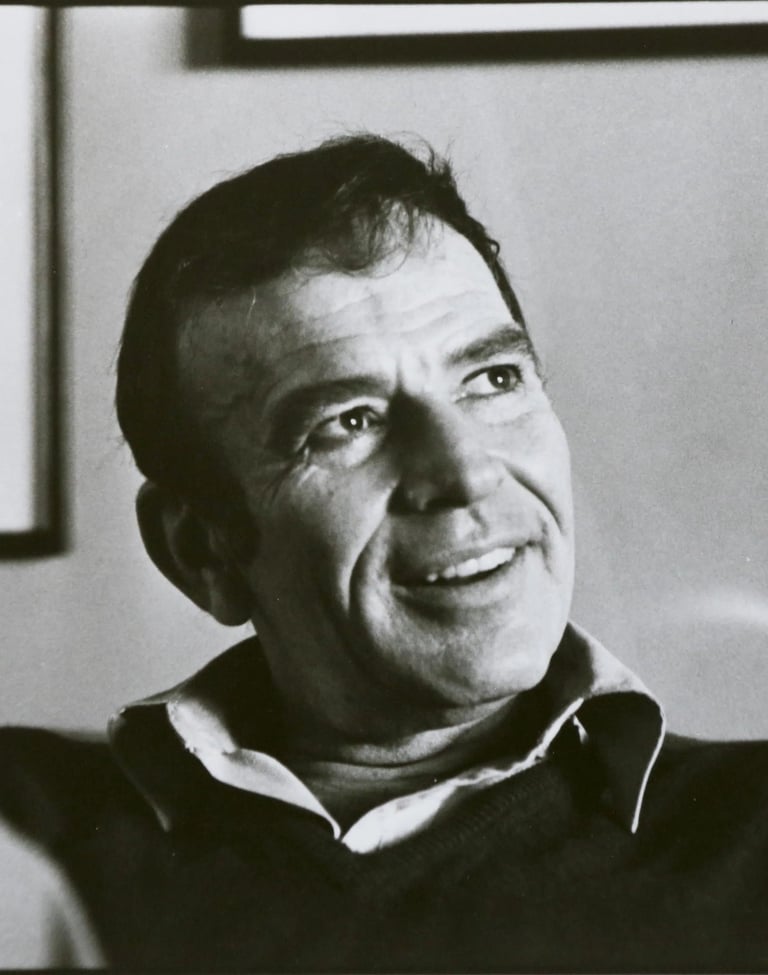
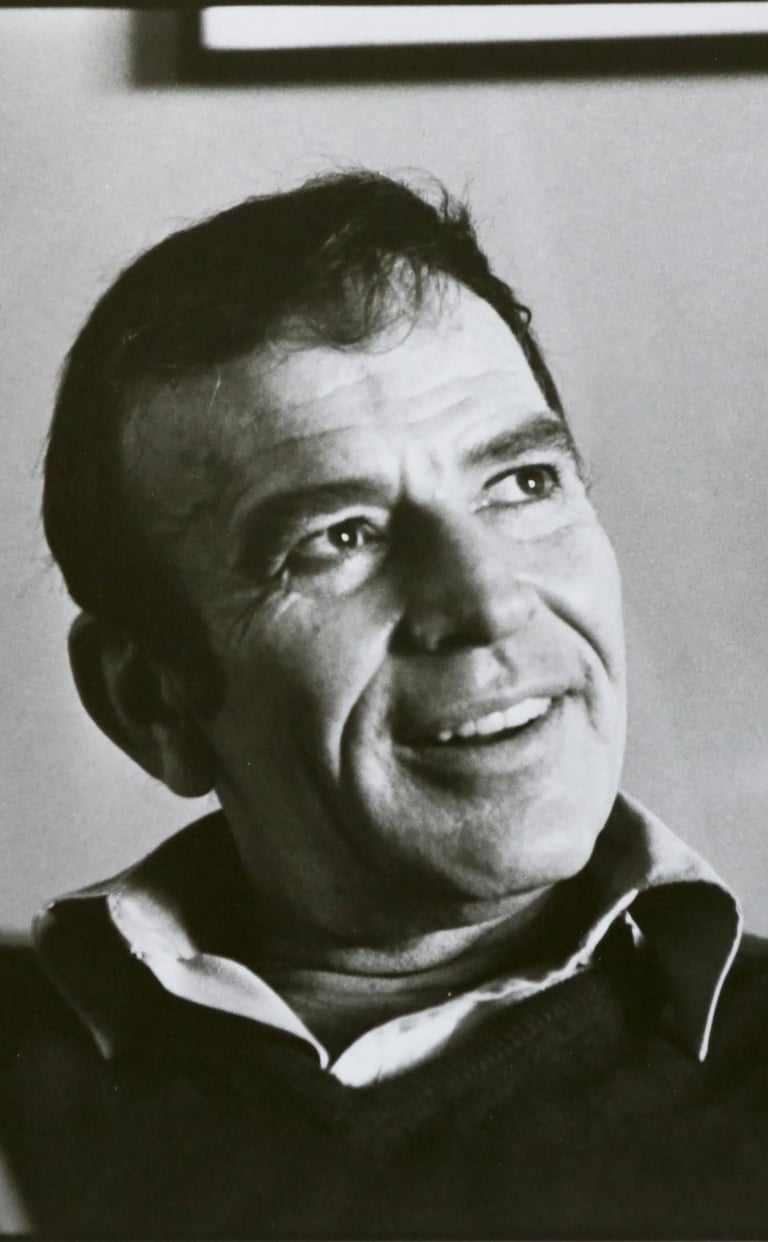
Fred Ebb
Lyricist Fred Ebb was raised in a lower-middle-class Jewish home where affection was treated like a scarce commodity. Ebb developed a lifelong Manhattan neurosis of insecurity. He was fifteen when he saw his first Broadway show. He was entranced, but it wasn’t the magic that drew him in. Where other audience members saw dazzling performance and joyous song, Fred Ebb saw a puzzle that demanded to be solved. The cogs of his mind started moving. Seeing Guys and Dolls made him ask how a lyric might be able to work as the engine for a character and draw the plot forwards.
"The only logical response to pain is to put on a show and rely on the rhythm."
Fred Ebb
In his lyrics, Ebb used the sharp, unpolished, street-smart New York vernacular he had grown up with. He wanted to write lyrics that spoke truth. His first hit lyric were written for a song called, "What Kind of Life Is That?" The title was inspired by how his mother reacted to hearing the news that Elizabeth Taylor had converted to Judaism. What made Ebbs lyrics different was the joining of an interest in the musicality of rhythm of the syllables with a vocabulary that dripped in an irony used as a preemptive strike against a harsh world.
John Kander
Composer John Kander’s understanding of music was formed by a childhood experience in Kansas City. A bout of tuberculosis forced the boy into quarantine. He was forced to sleep on his porch.
Cut off from human contact, his world became auditory: the rhythm of passing footsteps, the muffled voices in medical masks. In this isolation he learned that music wasn’t only about the notes but that it should also somehow capture the essence of the sounds between people.
Kander started his formal musical education at the age of six with a teacher named Lucy Parrot. Parrot was a strict task master and Kander felt that her parlour was like a portal to the sublime. It was here that Kander first encountered the thundering bombast of Richard Wagner. He later went to Columbia University where he learned the mathematical precision of classical composition.
Kander was more interested in right lights than ivory towers. To get experience on Broadway he cut his teeth as a rehearsal pianist for the stage show Gypsy. He was called on to produce rapid-fire improvisation. Under the pressures of the ticking rehearsal clock, Kander learned to put into play the classical structure he had been taught and mix it with theatrical spontaneity—marrying the strict discipline of the conservatory with the hip hooray and ballyhoo of Times Square.
When the Dreamer Met the Realist
In the early 1960s, both Kander and Ebb were signed to a publishing company owned by a man named Tommy Valando. Valando thought that the two men of contrasting temperaments would like each other. Kander was the optimistic, unflappable Midwesterner. Ebb was the acerbic, anxious New Yorker.
When they first met, what brought them together was that both men were fresh from recent failures: Kander with A Family Affair and Ebb with Morning Sun. They trauma bonded with a “we’ll show them” mentality.
As an exercise to see if they would work well together, they decided to write a mock title track to a then Broadway smash play called Take Her, She's Mine. It worked, while they didn’t keep the song, they kept the writing partnership. Each found the working environment to be an ego free zone, with each able to critique the other without being read as insults.
While composing a piece called Golden Gate, Ebb raved about a haunting melody Kander was noodling on the piano. Kander had to break the news to his partner that the tune in question was from Puccini’s Turandot.
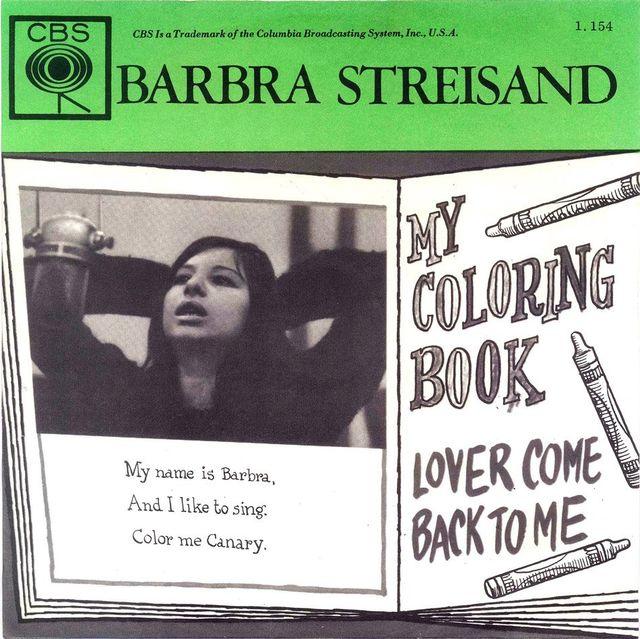
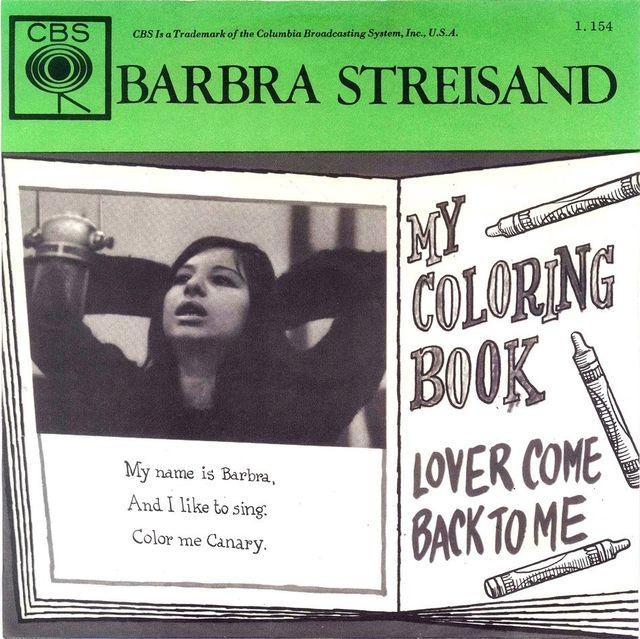
Once they hit their stride, they found that they worked quickly together. This rapidity may have been developed as a strategy to outrun their self doubt. Their first hit, "My Coloring Book," was written in fifteen minutes at a dinner party.
The Rise of the Concept Musical
The 1960s saw political assassinations and the bloody realities of the Vietnam War. Popular taste for escapist fluff in entertainment changed. The dark, cynical world of Kander and Ebb stood in stark opposition to the romantic old guard. When approached to adapt Camelot, Frederick Loewe composer of such classics as My Fair Layd, Gigi and Brigadoon, was initially revolted, declaring that King Arthur was nothing but a cuckold, and "nobody gives a damn about a cuckold!" Kander and Ebb, by contrast, built a multi-decade body of work depicting society's beautiful, desperate outcasts.
With audiences moved away from the sunny, wholesomeness of the world of Rodgers and Hammerstein, Kander and Ebb saw a gap in the market and helped to create The Concept Musical.
Inspired by the avante-garde blueprint of Bertolt Brecht and Kurt Weill, the duo used the stage as a mirror rather than an escape. Their theatre was set in the world of cabarets, bars and strip clubs. Spaces where morals were set aside for the price of admission.
Liza Minelli said that "John was the dreamer, and Fred was the realist."
Their style was drawn from their differing world views. Kander’s honest, upbeat melodies attracted the ear, whilst Ebb’s satirical lyrics undercut the jauntiness of the music to deliver ink black cynicism.
Cabaret and the Trap
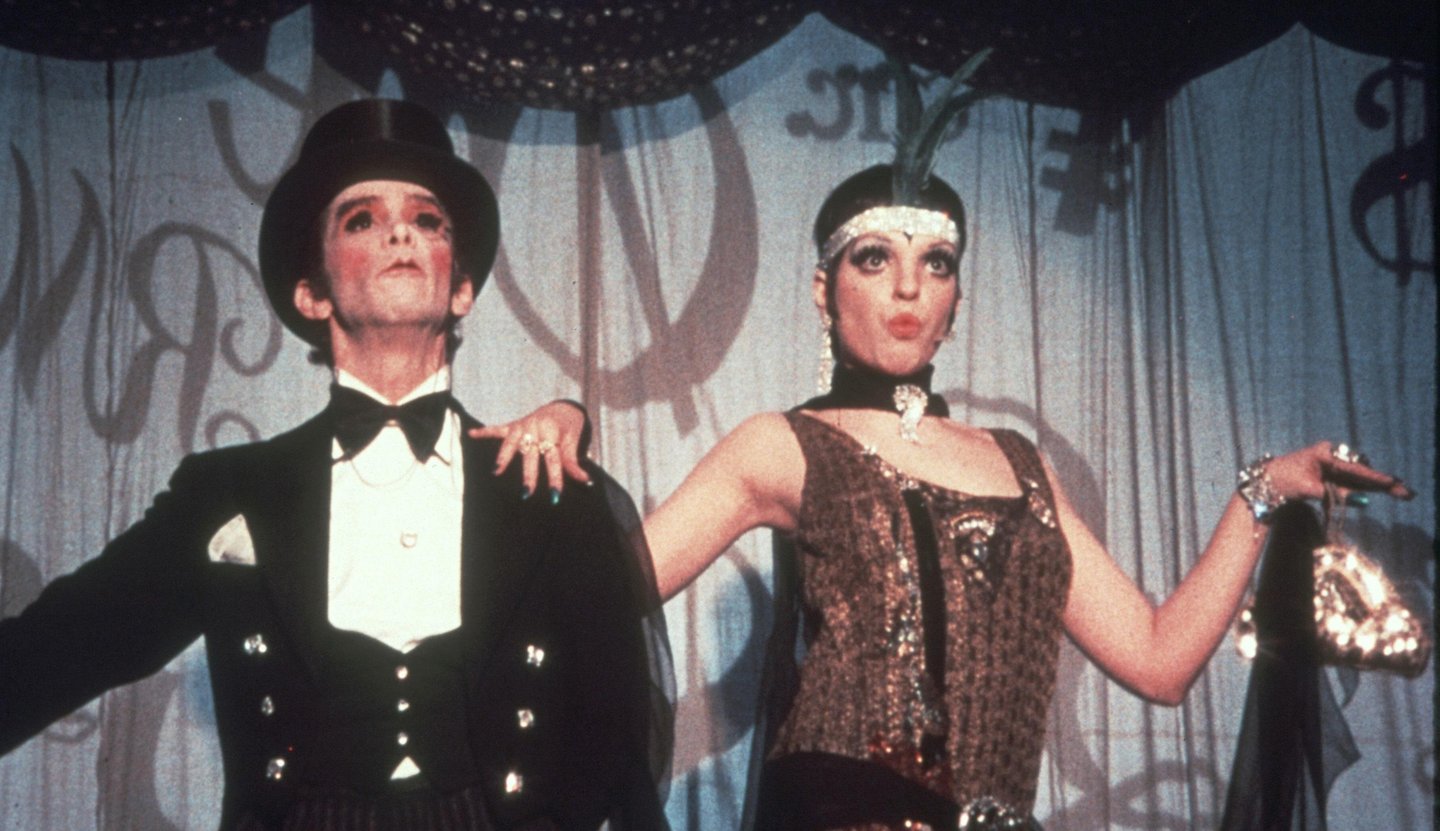
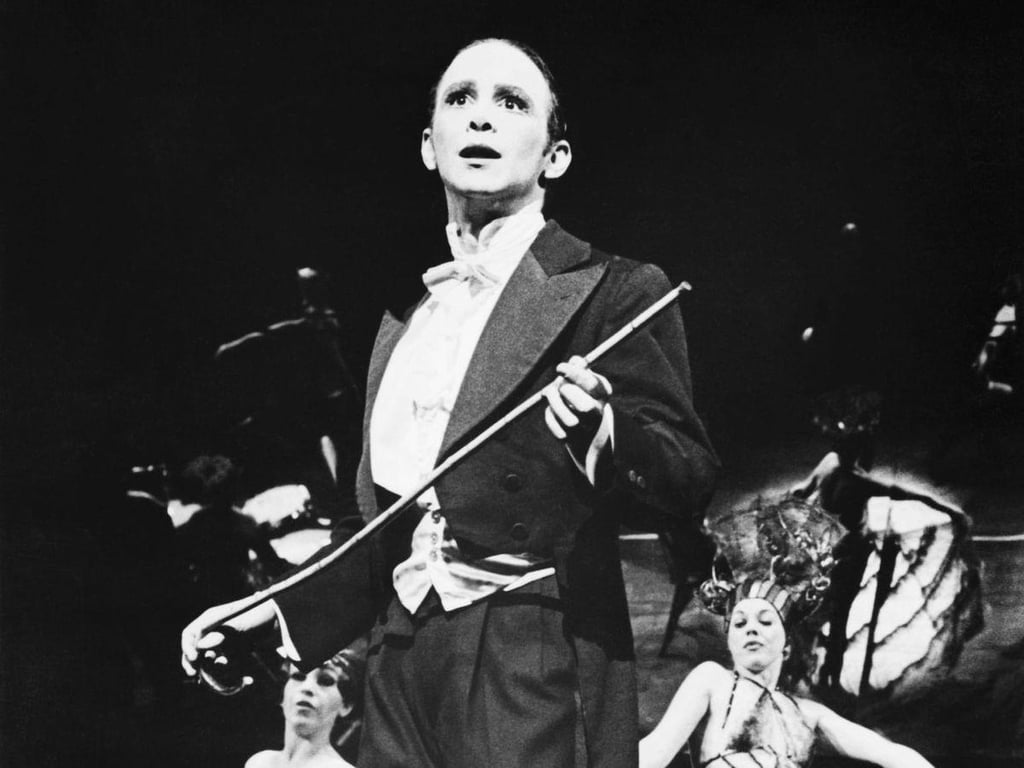
This dangerous dynamic hits its peak with a song written specially for the film of the stage show Cabaret called "If You Could See Her".
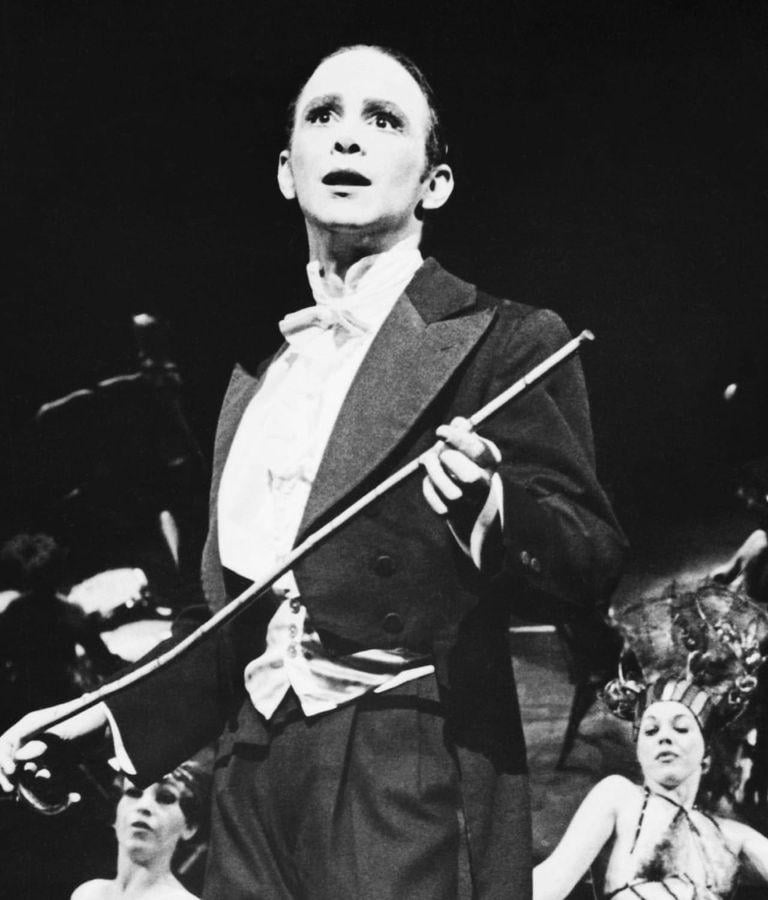
The Emcee croons a tender, lilting, old world German waltz, while romantically dancing with a partner in a gorilla suit. The melody is nostalgic, the image comic. The audience sways to the music hall whimsy. At the close of the number, Ebb drops a lyrical guillotine, saying that if you saw the gorilla through the eyes of the Emcee then: "She wouldn't look Jewish at all."
A catchy tune with a sickening punchline gives the audience an experience of the creep of antisemitism. Kander and Ebb make the audience feel complicit for having tapped their toes to the song.
It was the mild mannered Kander who was often the one who started the trouble, urging Ebb to explore his most vulgar and biting instincts.
Watch
Barbra Streisand performing "My Coloring Book" (Television Performance, 1962s)
Kander and Ebb's first commercial hit, written in fifteen minutes at a dinner party, and highlights Ebb's early fascination with using simple, everyday vernacular to convey deep emotional vulnerability.
Explore the Series
[Start of the Series]
→ Part 2: Kander and Ebb: The Forty-Year Creative Marriage
Joel Grey performing "If You Could See Her" from the 1972 film Cabaret
Kander's nostalgic German waltz lulls the audience into a false sense of whimsy before Ebb drops his sickening, anti-Semitic lyrical guillotine.