Kander and Ebb Part Four: On Screen
How Kander and Ebb's brilliance was captured on screen
Audiences at a stage musical must suspend their disbelief. They must believe that a cockney flower girl, or a nun, or a lion cub can sing a four part harmony with their pals, without anyone needing to call for a doctor.
Whilst we are happy with this idea on stage, when it comes to the intimacy of the screen, audiences needs change. Anything too theatrical looks fake under the studio lights. Kander and Ebb rejected the idea that their characters could sing spontaneously in everyday spaces. No one croons whilst washing dishes or dances in a grocery store. Instead characters are able to sing in one of three justified spaces.
A song can take place as a literal routine on a real world stage. For example, Wilkommen is sung by the character of the Emcee on stage as a welcome to his audience as part of the show they are watching.
Or a song can be a dream in the mind - we travel into Roxie Hart’s brain to see that she is translating what is happening to her as a musical fantasy.
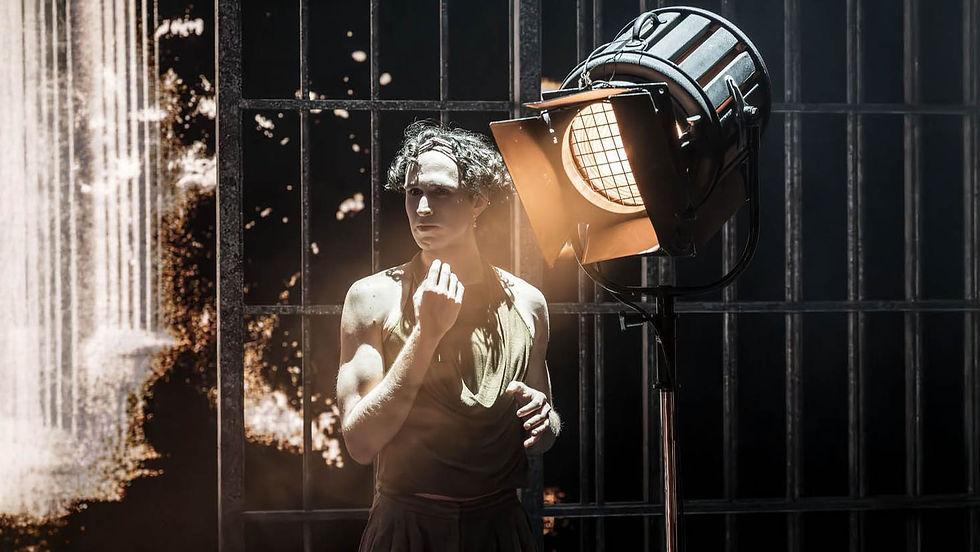
Or the song can be a survival shield against physical trauma - as seen in Kiss of the Spider Woman for Molina in his cell.
By insisting that the songs only happen in these spaces, they are removed from the reality of the story and become external commentaries to it.
The Emcee as the Engine of Decay
The film of Cabaret achieves its power through its preference for a rapid editing style that mostly rejects the sweeping takes of old Hollywood. Fosse often cuts away from the performers on stage to focus on the sweating, leering faces of the German patrons.
The Implication of the film is that the audience is not a victim of fascism; they are its patrons, thoroughly entertained inside the cabaret while the world outside burns.
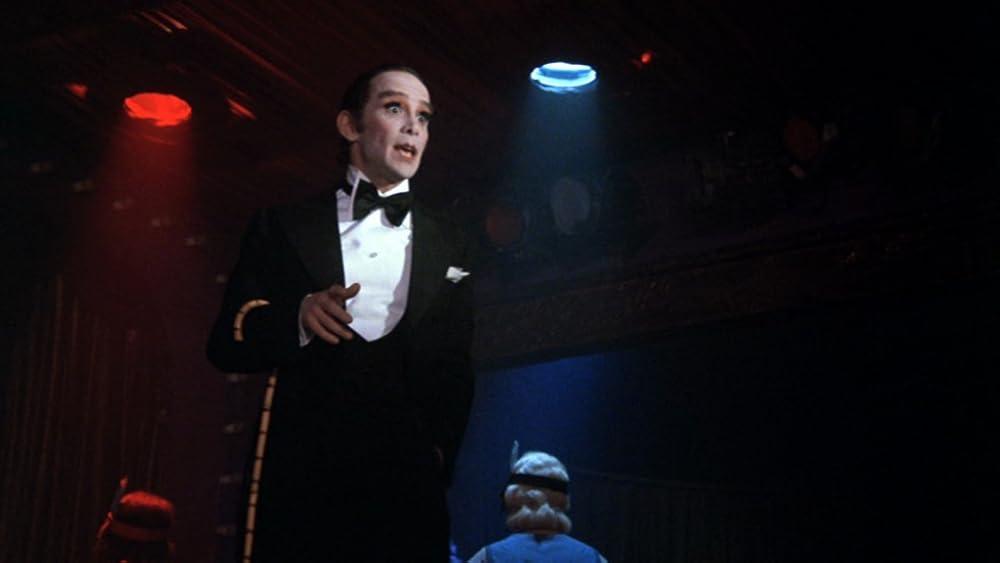
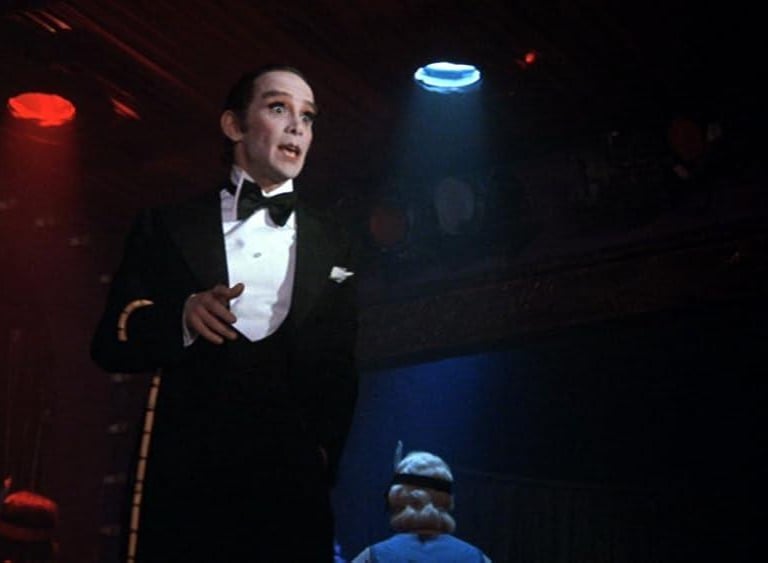
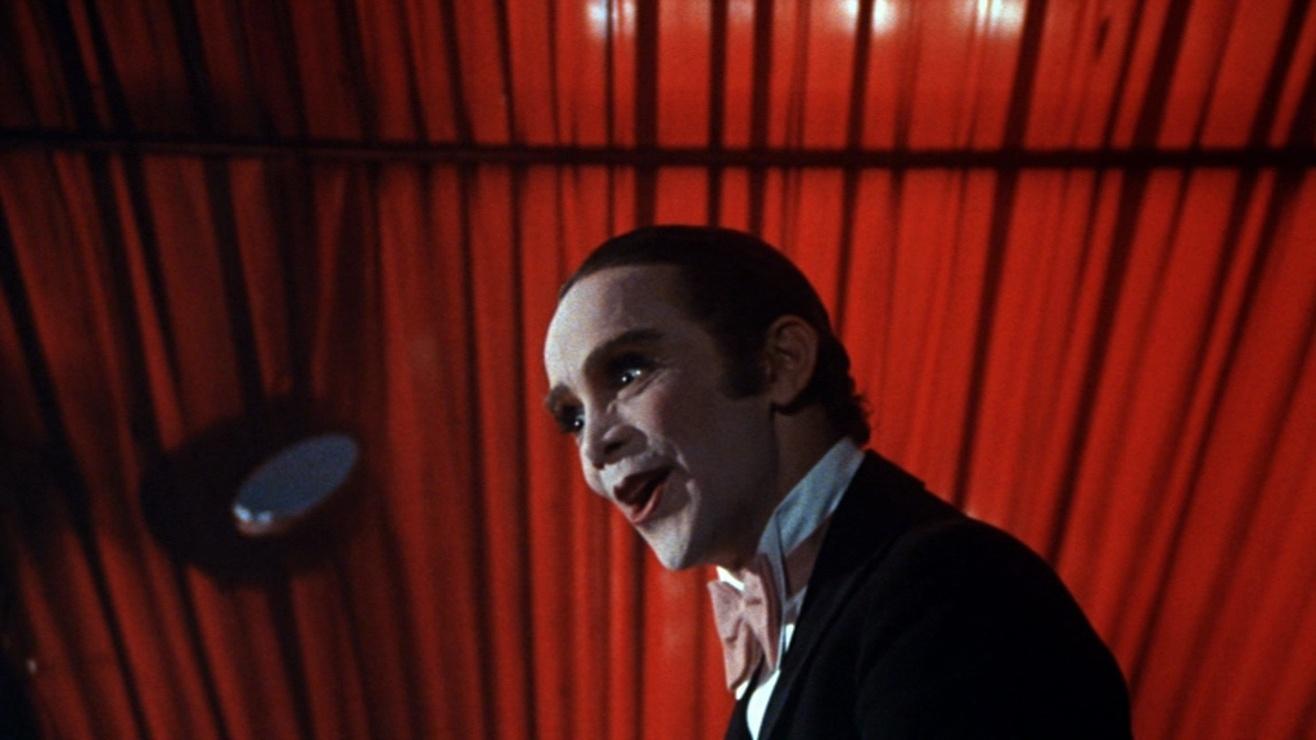
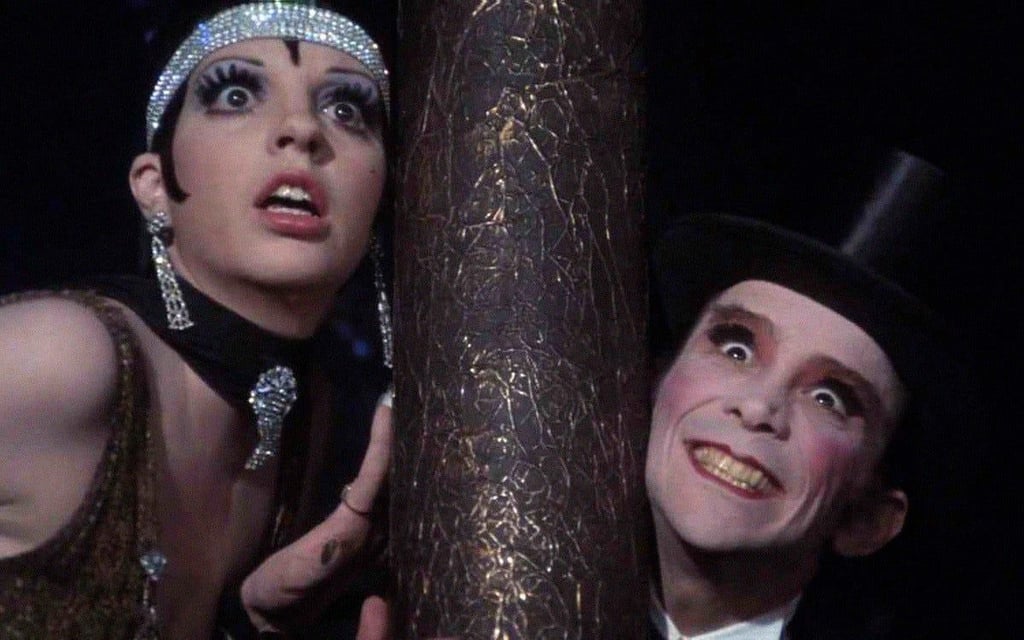
Driving this decay is Joel Grey’s grotesque Master of Ceremonies. He looks directly into the camera lens, breaking the fourth wall with a lascivious, oily smirk. His look is defined by layers of makeup—an aesthetic originally conceived by stage director Hal Prince, who modelled the look after a past-its-prime performer he once saw trying desperately to appear young.
Under Fosse's direction, the Emcee is a sinister presence, who transforms the routine numbers into satirical commentary rather than plot-driven songs:
Thematically “Willkommen" is hospitable greeting. It functions as an invitation to an evening where the audience sells its soul for the price of admission.
"Two Ladies" presents a boisterous, polyamorous romp that sheds light on the standards of Weimar morality. Fosse's camera repeatedly deserts the trio on stage to focus on the patrons who are enjoying the decadence - the very people who will eventually embrace the Nazi regime.
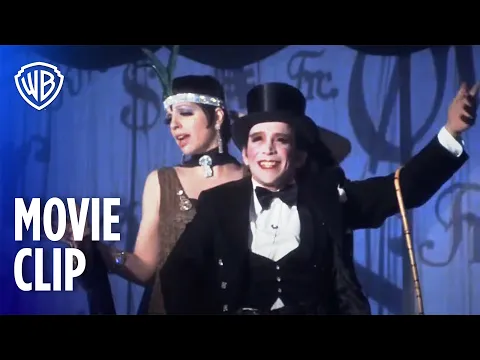
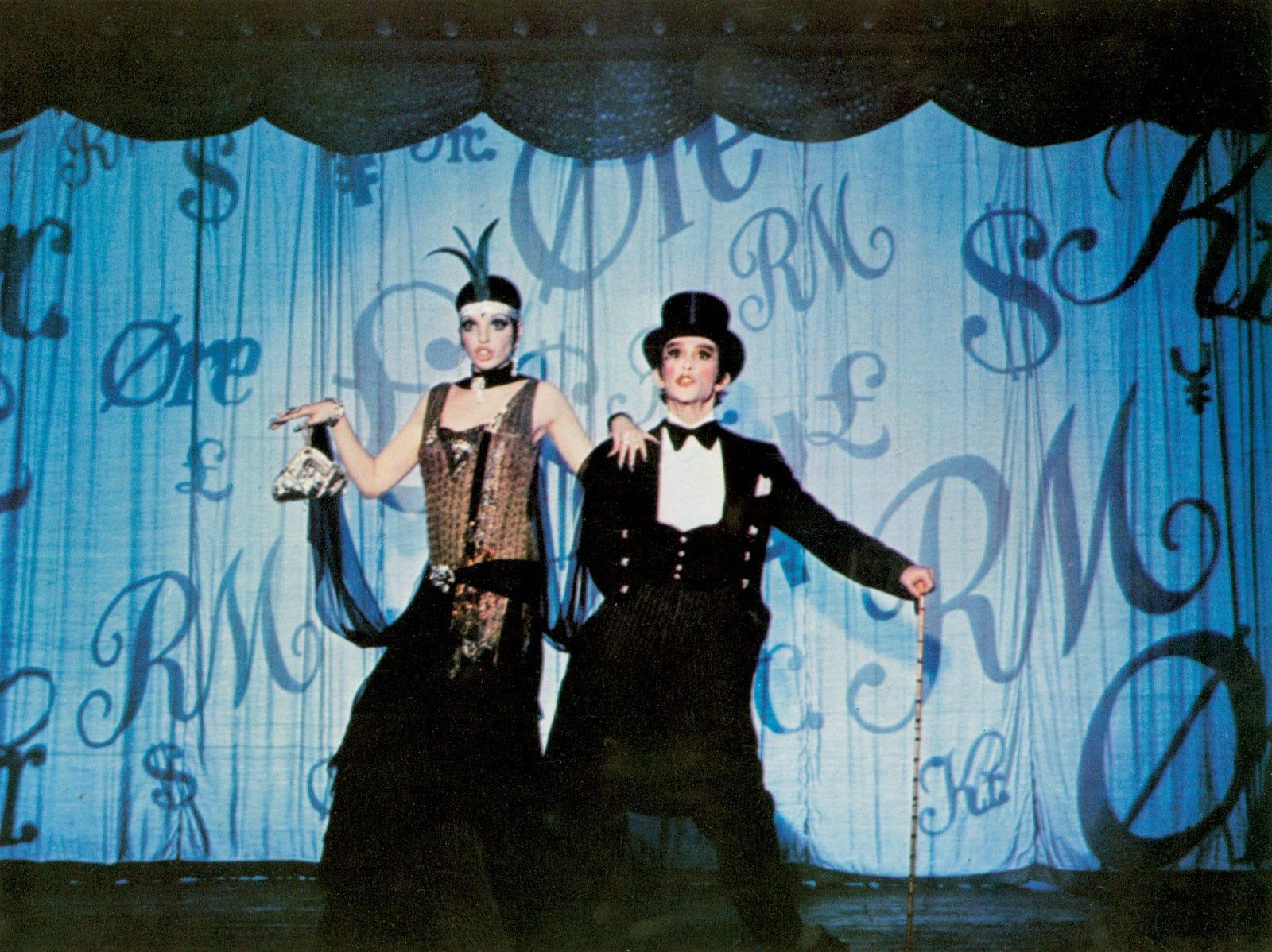
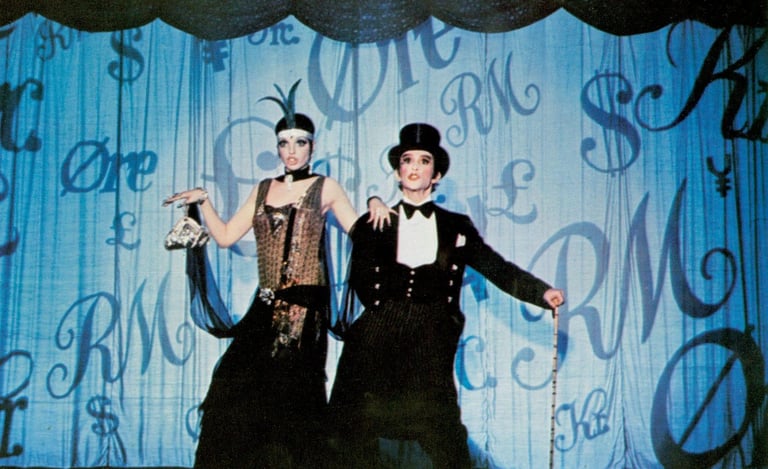
"Money, Money" features performers shaking their bodies, linking sexual desire with financial greed. It flings alternative sexuality in the viewer's face as the Emcee, caked in rouge, parodies traditional heterosexual desire while reducing human relationships to transactional survival.
Cabaret (1972)
When director Bob Fosse took the helm for the screen adaptation of Cabaret, he took his editor’s pen to the script and got busy. He understood that the stage version still had spots of traditional framing, with secondary characters singing their feelings in boarding houses and fruit shops. It was Fosse who insisted that all narrative songs were to be cut and that the only music we would see would be performed inside the Kit Kat Klub. All music that is, apart from, the Nationalist anthem Tomorrow Belongs to Me.
By confining the tunes to one location, the songs functioned as a Greek Chorus, commenting on the the situation that was happening outside the club’s doors.
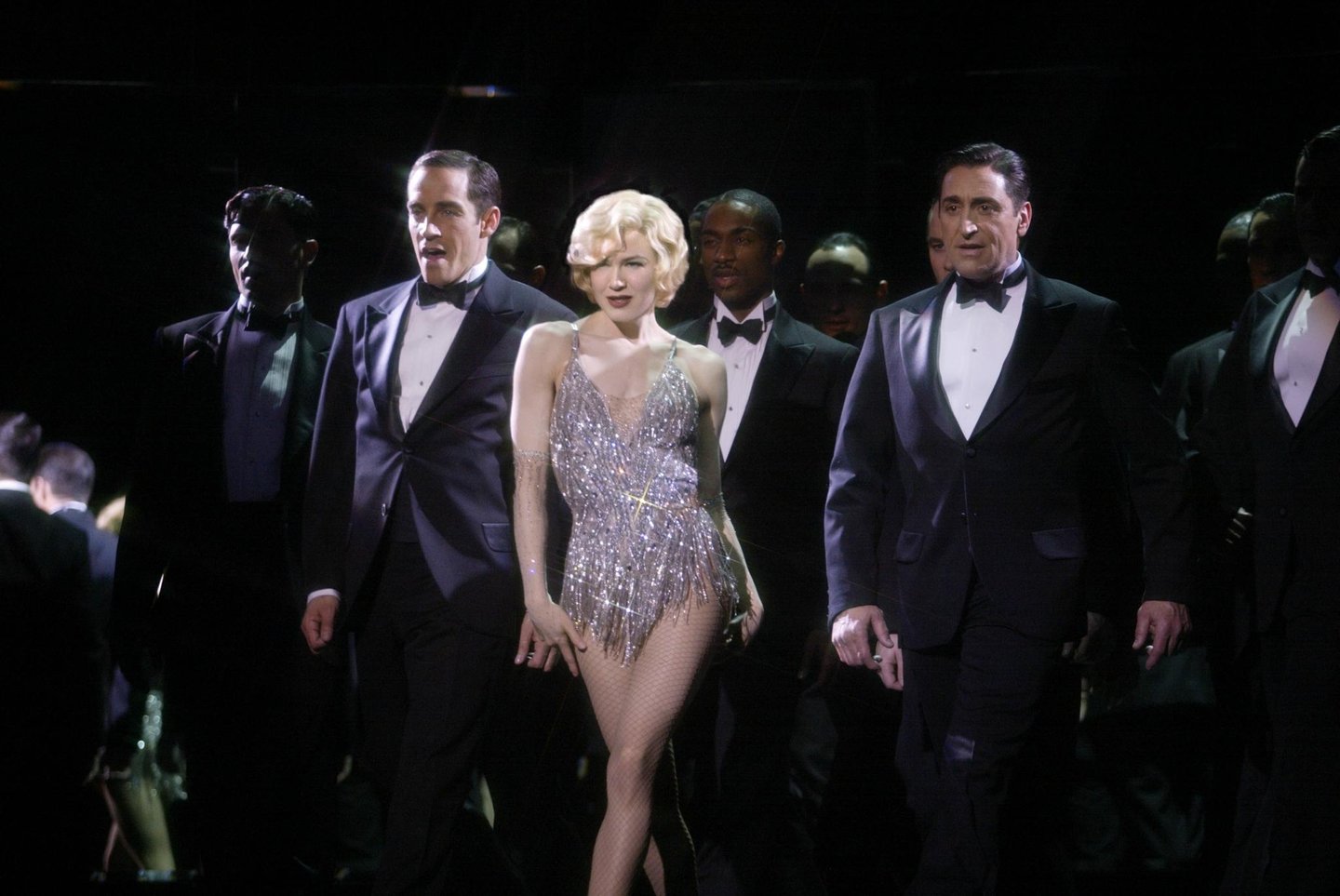
Chicago (2002): The Show in the Mind
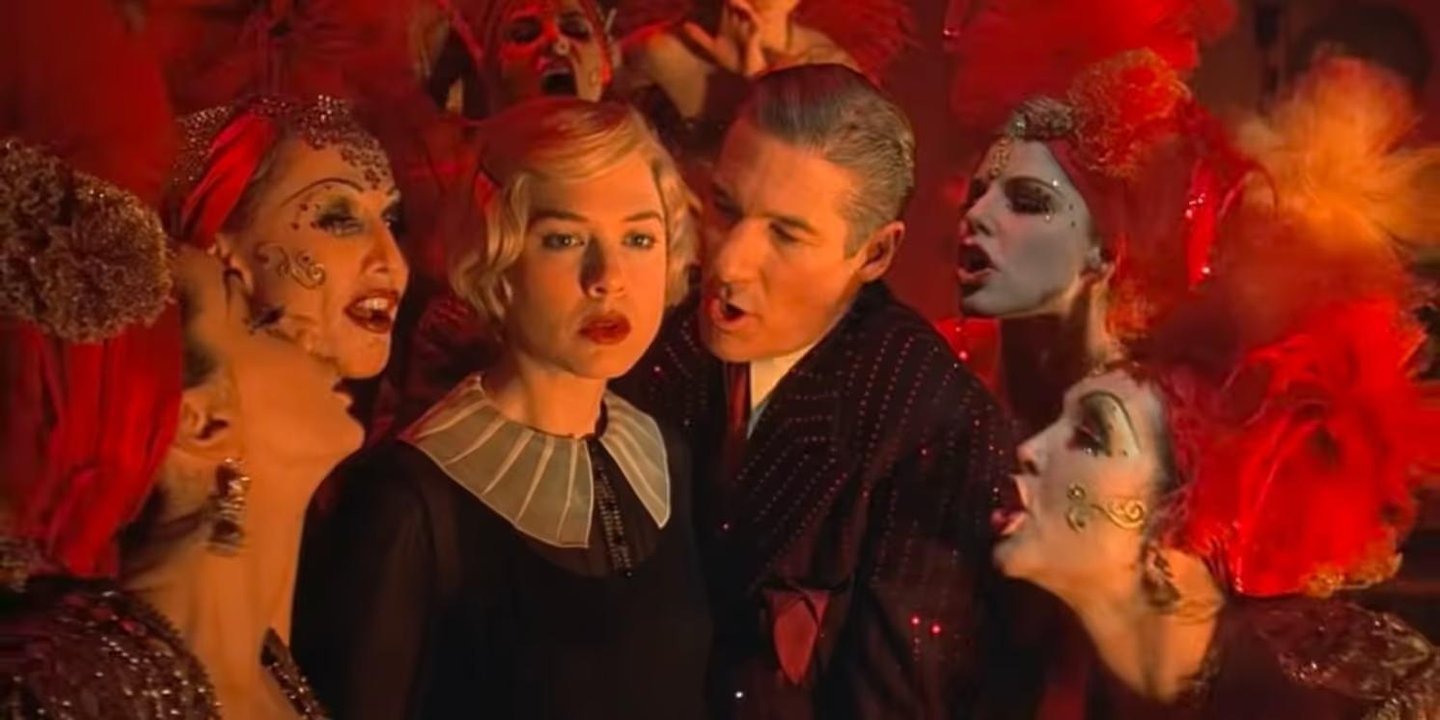
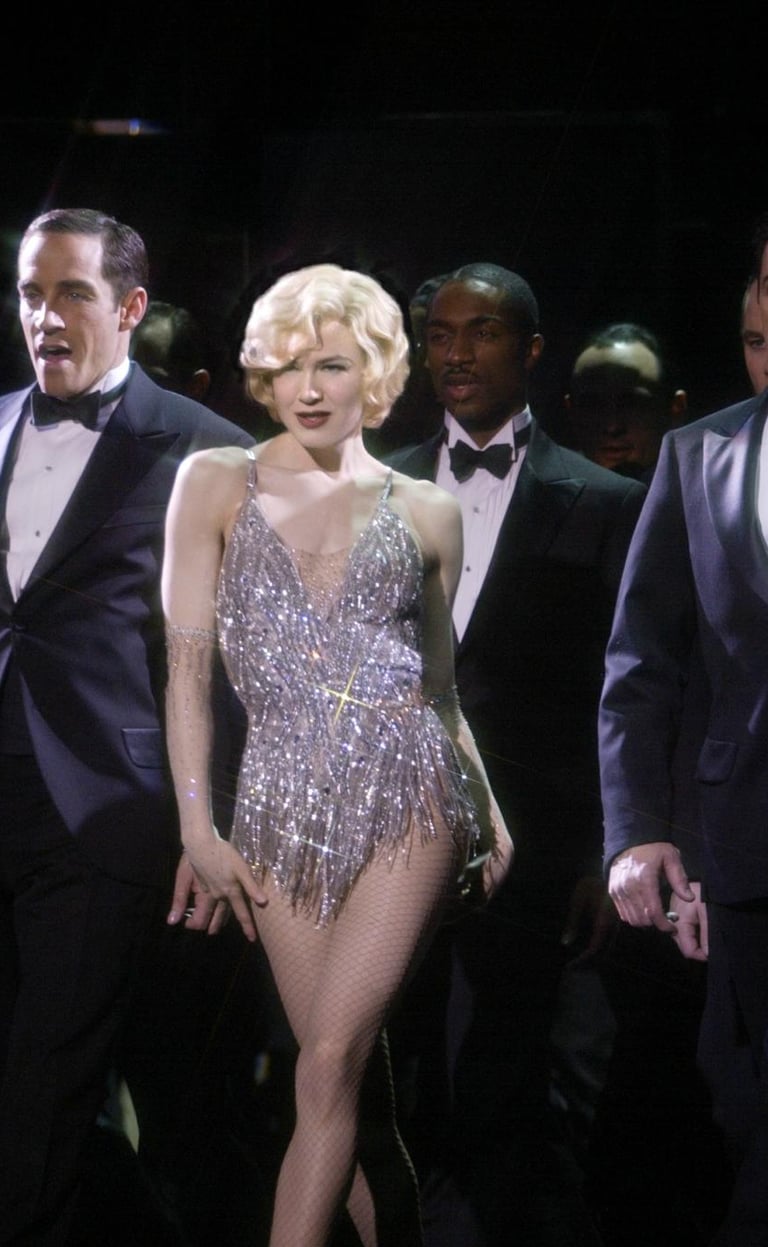
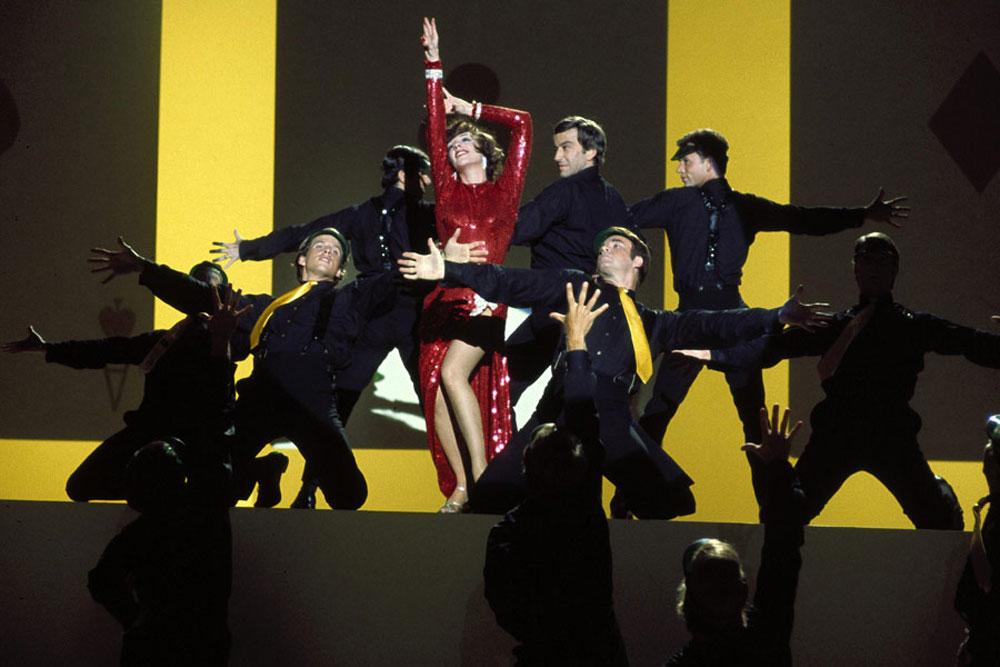
Thirty years after Cabaret, when director Rob Marshall was faced with making logical sense of Chicago on screen, he faced the question of how to shoot a musical about murderous flappers without making it look ridiculous. His solution was to move all the musical action into the mind of showbiz obsessed Roxie Hart. In Roxie’s mind, justice is just high concept public relations.
The Ventriloquist in the Courtroom
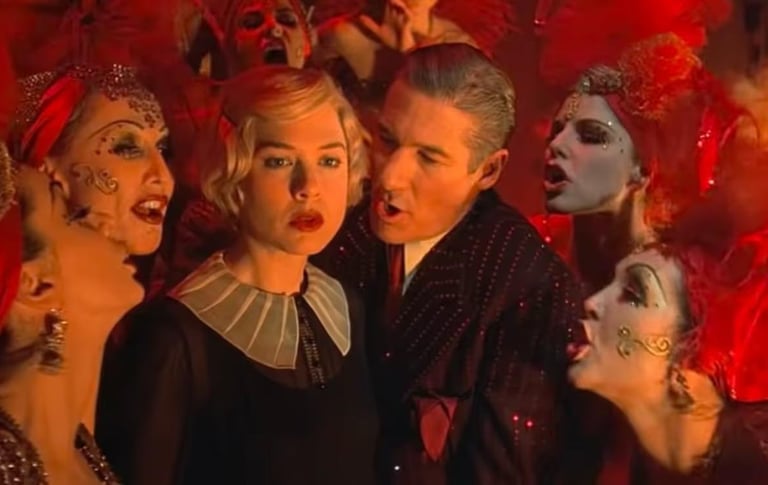
In the number “We Both Reached For the Gun” a press conference is played as a literal ventriloquist act. Richard Gere’s slick defence attorney Billy Flynn bounces Chicago reporters in his knee like wooden dummies while pulling the strings of his client, Roxie.
Razzle Dazzle stages a murder trial as a circus peep show. Director Marshall edits to the rhythm of Kander’s music. The outcome of the trial is unimportant, all that matters are the reviews in the papers.
New York, New York (1977): Old Hollywood Meets New Hollywood
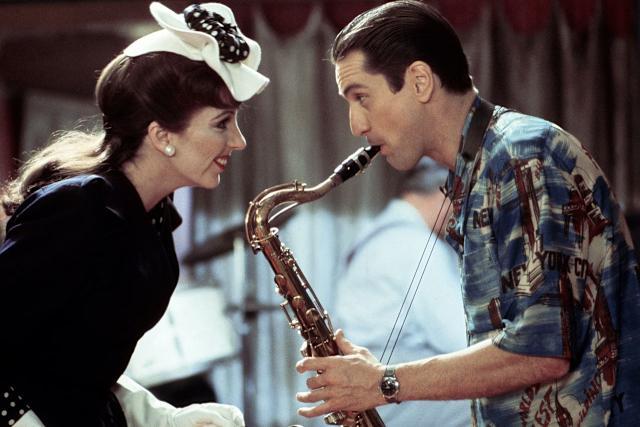
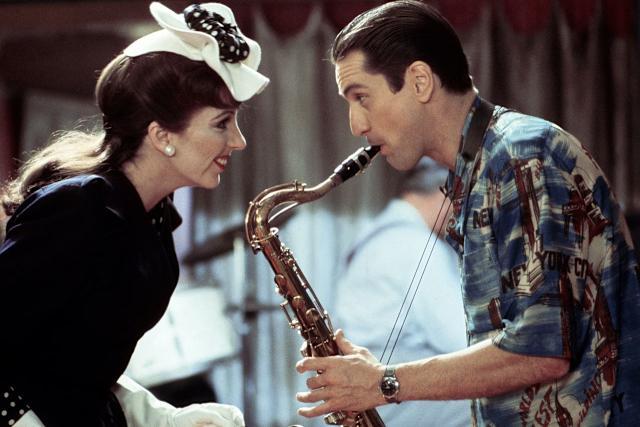
Martin Scorsese’s New York, New York was a deliberate collision of two Hollywood traditions, pitching the fake MGM studio backdrops against De Niro’s gritty 1970s improvisation. Kander composed a song which had one foot in each camp, replicating 1940s big band jazz and incorporating the dissonance of emerging modern jazz. Kander and Ebb used this mismatch of styles to echo the film’s lovers being driven apart.
Kiss of the Spider Woman (1993): The Cinematic Fantasy
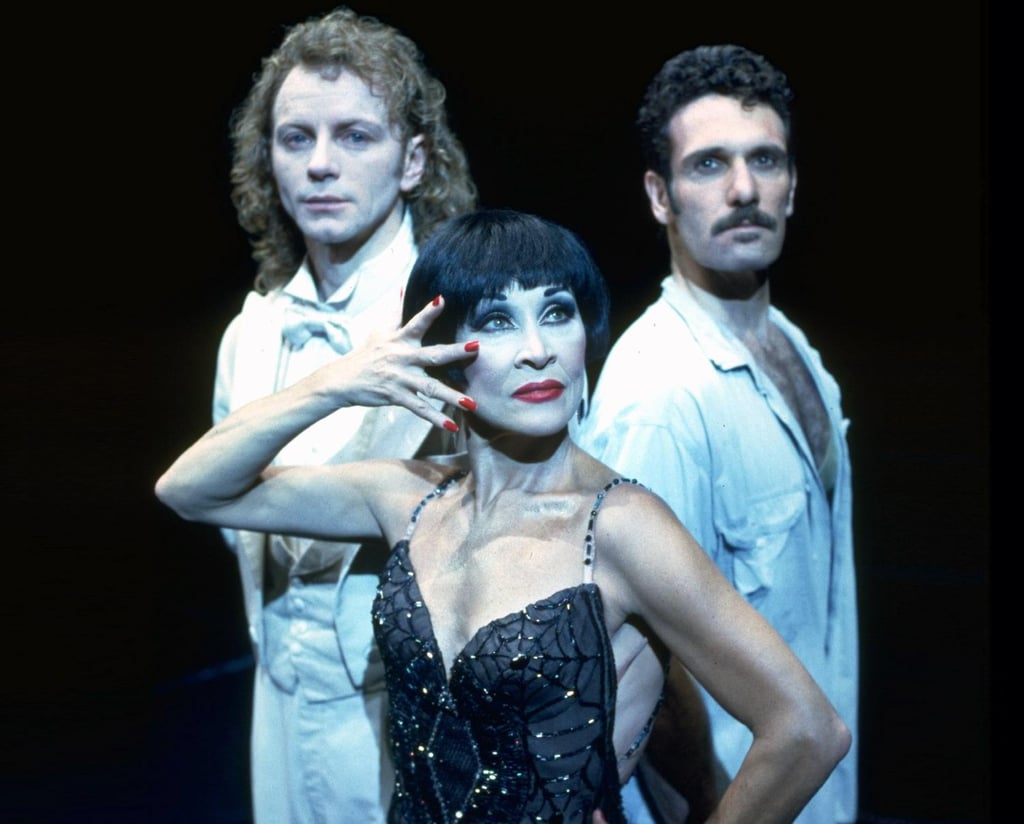
In the stage adaptation of Manuel Puig's Kiss of the Spider Woman, Kander and Ebbemployed their core idea of performance to a shield against torture. Imprisoned in a harsh cell, Molina the protagonist, survives the horrors by retreating into his memories to play through the glamorous B-movies of his youth.
The song “Where you are” contains the most Kander and Ebb of all their lyrics: "The more you face reality, the more you're gonna scar." The high camp production numbers protect Molina in his cell, with show business being an act of defiant imagination.
The Verdict
Kander and Ebb not only wrote darker, better musicals than their contemporaries they also changed what a musical could be about. Before them, the musical was essentially something that reassured, a cultural comfort blanket which kept the horrors of the mid-20th Century at bay. Kander and Ebb shone a light on the trials of life and showed that spectacular showmanship could be used to sharpen and inform our political awareness. In their world a tap dance could double as a trial, a stirring folk tune could mask a fascist anthem and the villain of the piece is sitting next to you in row H.
Kander and Ebb approached the musical like grown ups. They realised that performance is weaponised to hide truths in public life and they exposed these lies. John Kander’s sassy, pastiche melodies married to Fred Ebb’s harsh ironic lyrics created the blueprint for the modern musical.
Watch
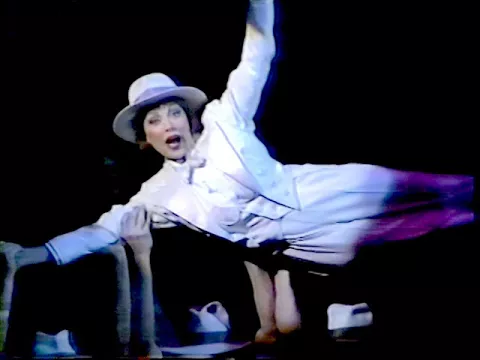
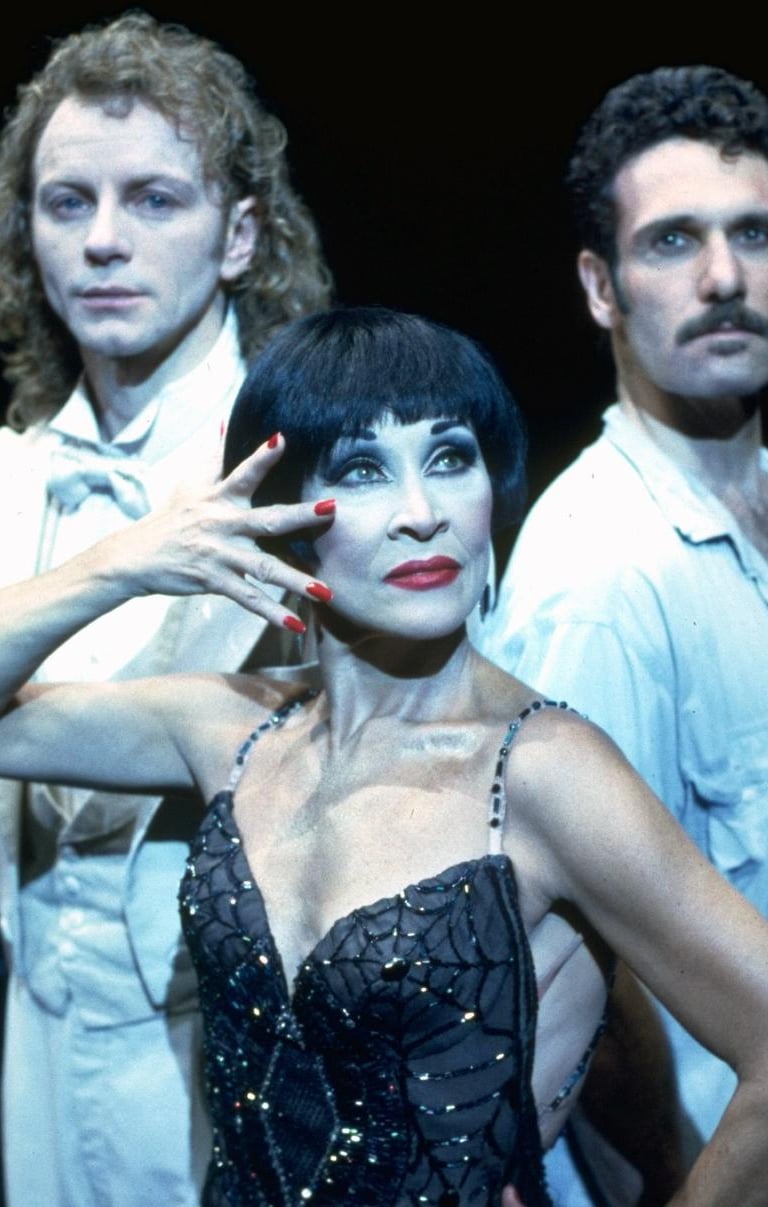
Vanessa Williams performing "Where You Are" from Kiss of the Spider Woman
"The more you face reality, the more you're gonna scar," this high-camp production number is used as a literal psychological shield against the trauma of a prison cell.
Explore the Series
← Part 3: Kander and Ebb Part: The Style
[End of Series]
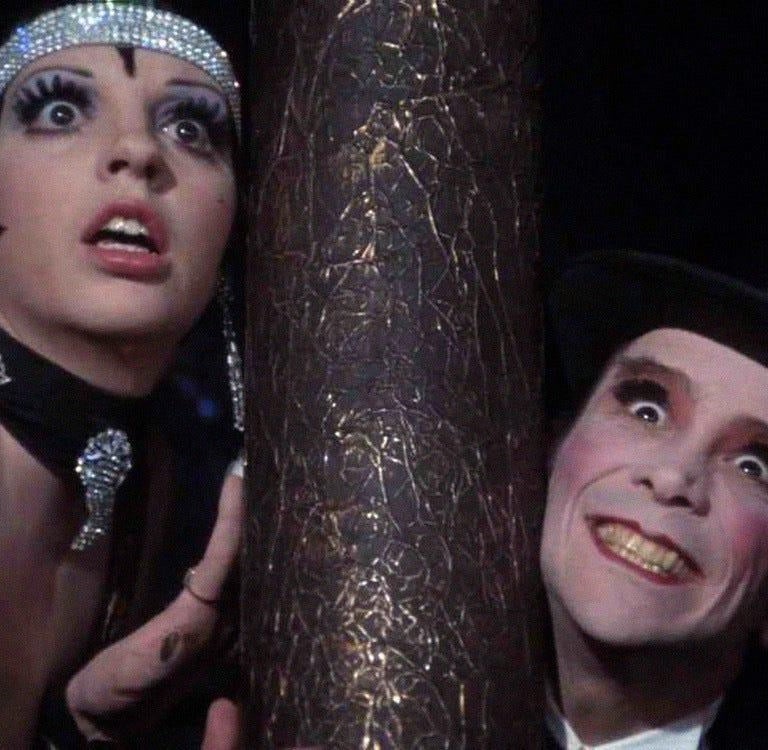
Joel Grey and Liza Minnelli performing "Money, Money" from the 1972 film Cabaret
The Emcee parodies traditional desire, reducing human romance to a transactional, fast-paced dance of financial greed.