Bob Fosse Part Four: Razzle Dazzle and Dark Realities
Bob Fosse’s Cinematic Revolution
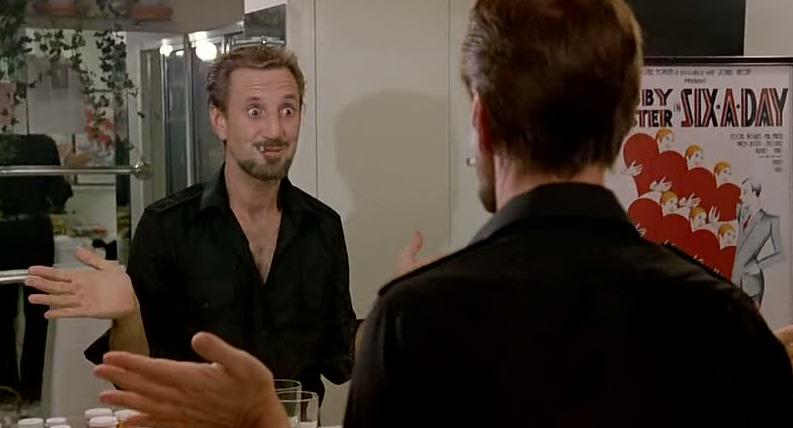
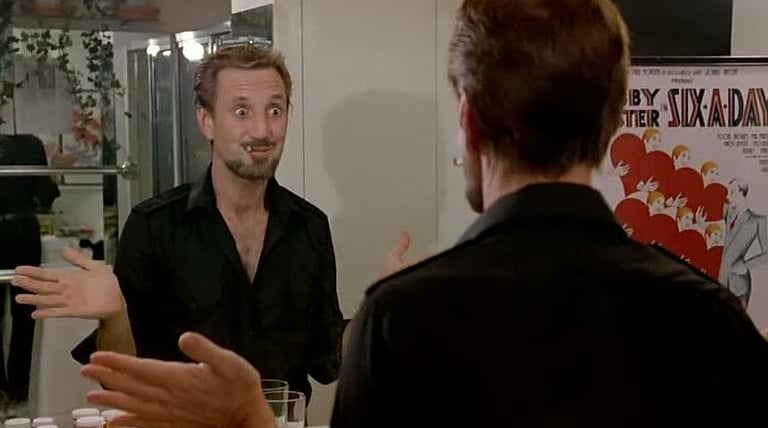
As a film director, Bob Fosse tore up the Hollywood rulebook for the musical. Before Fosse, directors used long takes and wide shots to show a dancer's entire body. Fosse changed everything by turning the camera into a participant.
Fosse used quick cuts, realism and cynical themes. His style laid the foundation for modern music videos and the MTV generation. Here is how Fosse revolutionised the director's lens and used show business to expose life's dark side.
The Fragmented Cut
Fosse revolutionised movie editing by breaking up the continuous shot. He introduced rapid, fragmented cuts and sudden jumps to isolated body parts. This technique created a restless, wandering viewpoint. It became the primary visual style later used by modern music video directors.
Breaking Hollywood’s Camera Rules
Traditional Hollywood directors of the classic MGM Musicals treated the camera like a passive observer. They filmed dances in single, continuous shots to showcase fluid movement. Fosse rejected this standard.
The Art of Isolation
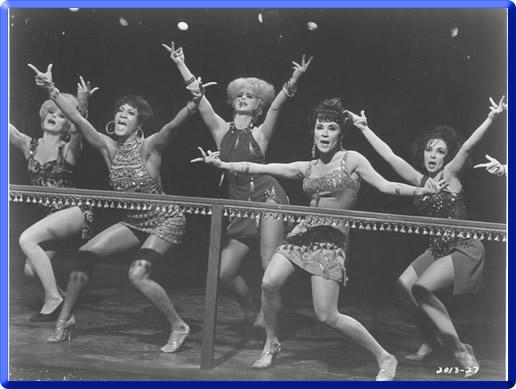
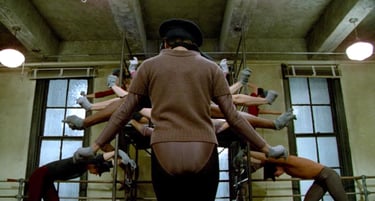
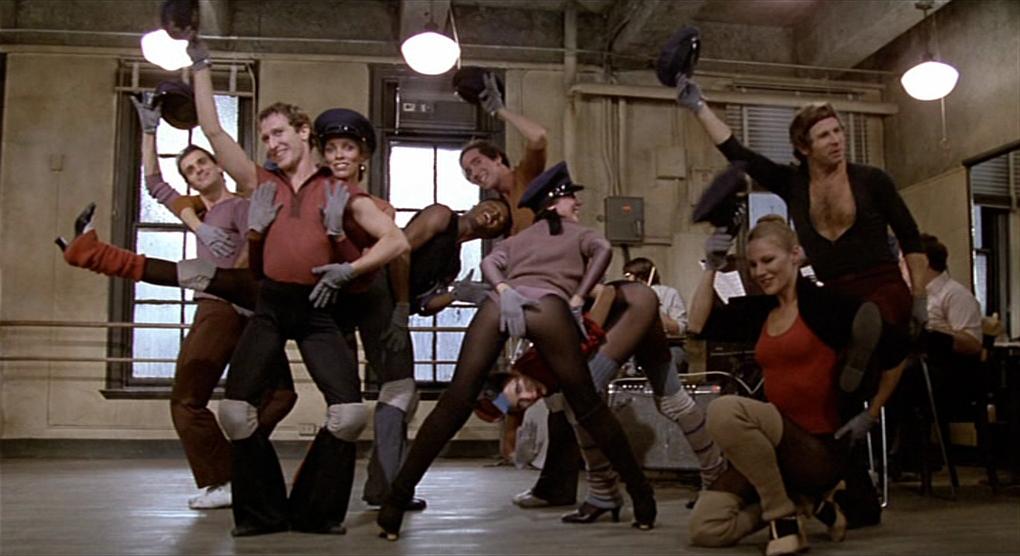
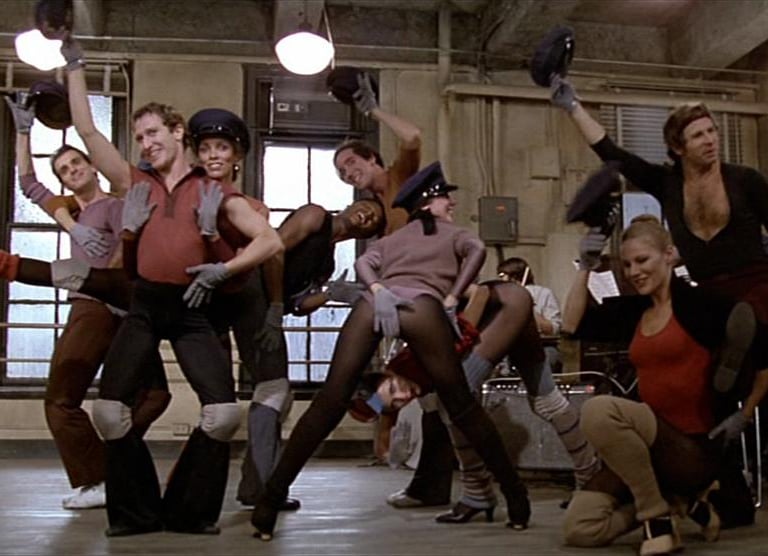
In Sweet Charity (1969), Fosse used fast, whiplash cuts during the song "Hey, Big Spender." He framed the dancers like broken dolls. Instead of filming a smooth dance routine, he captured isolated body parts: a wrist, a shaking lip or a jutting hip. The camera shot from the perspective of a customer in the front row, forcing the viewer to feel the sleazy atmosphere.
Realism vs. Hollywood Gloss
Fosse chose gritty modernism over bright, clean Hollywood imagery. He used harsh colours and stark lighting to show the seedy side of life.
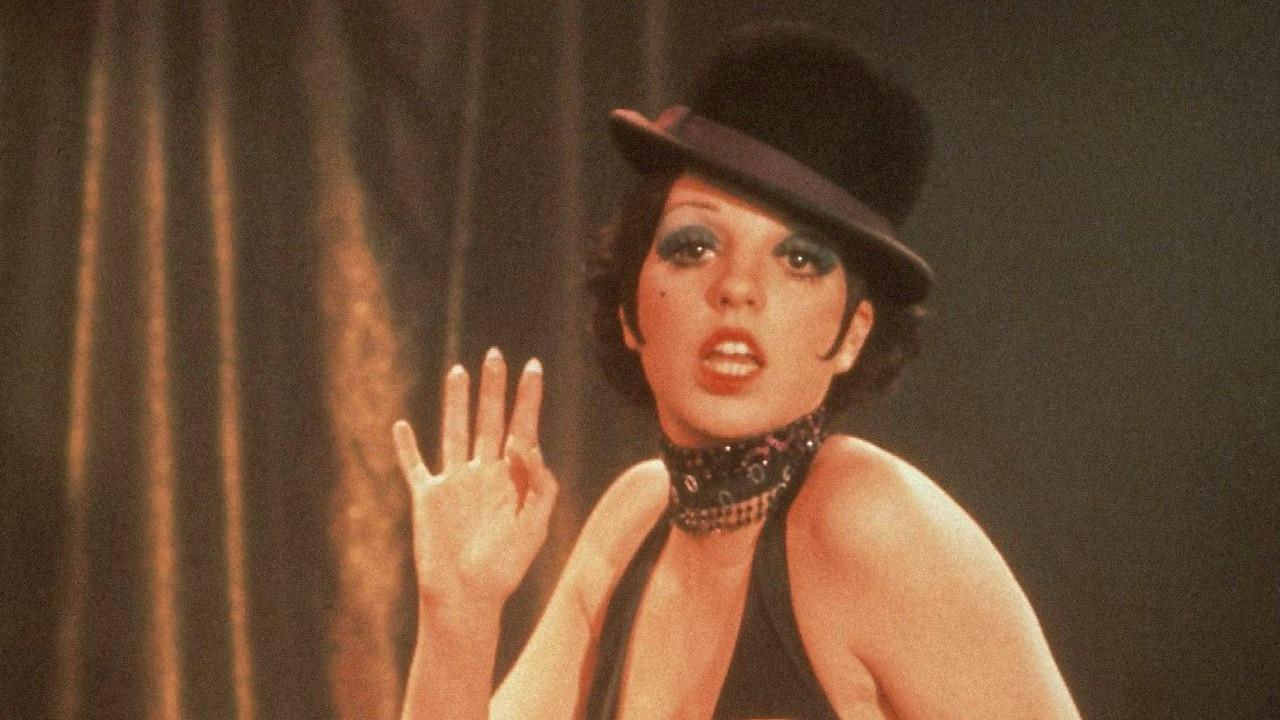
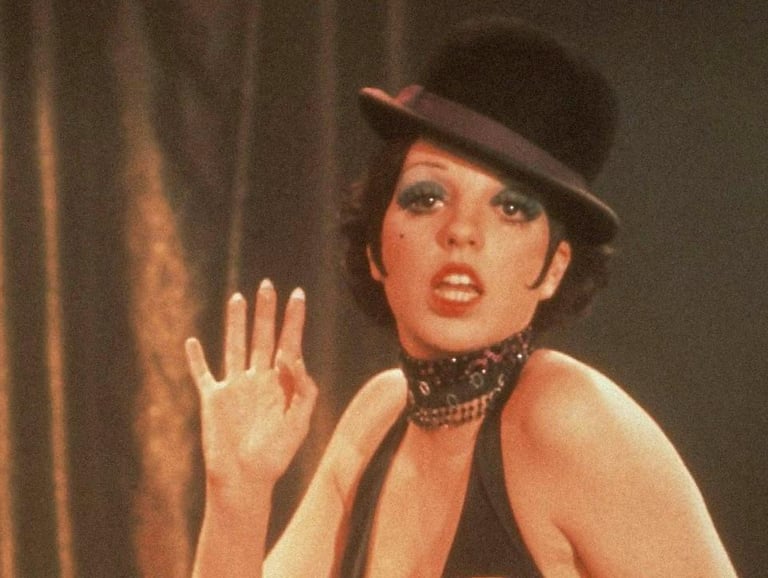
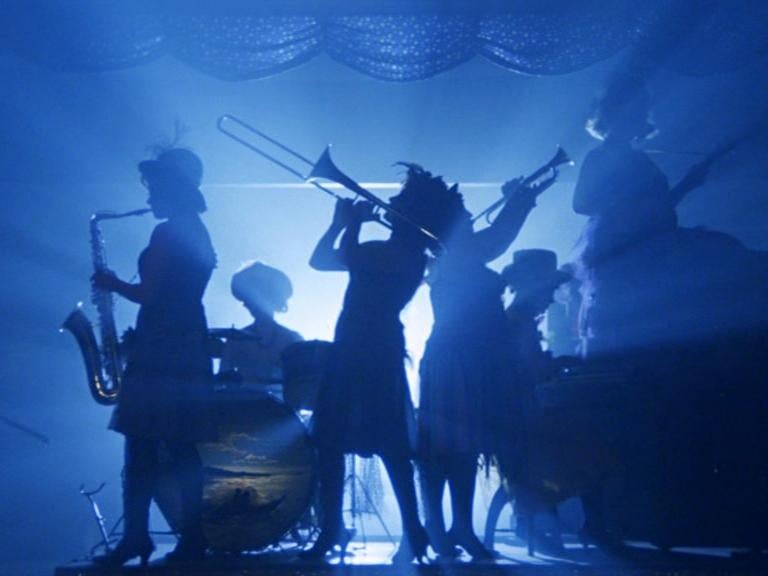
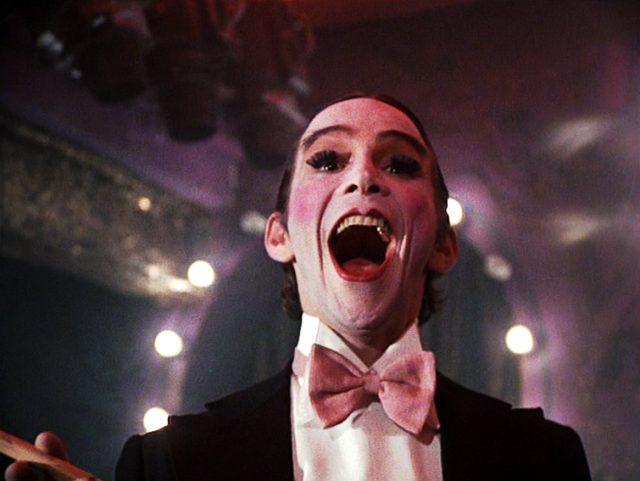
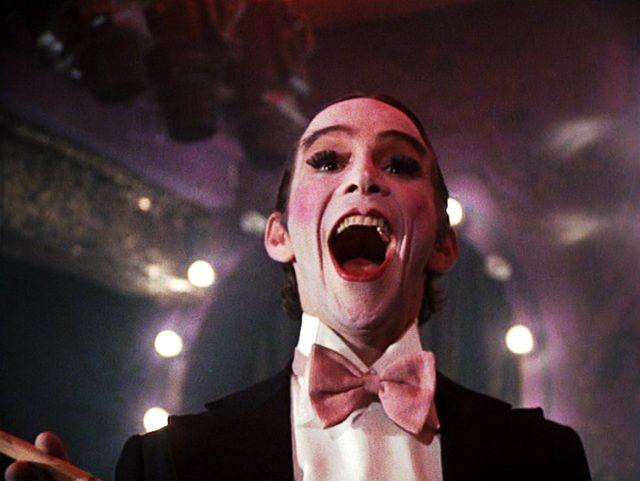
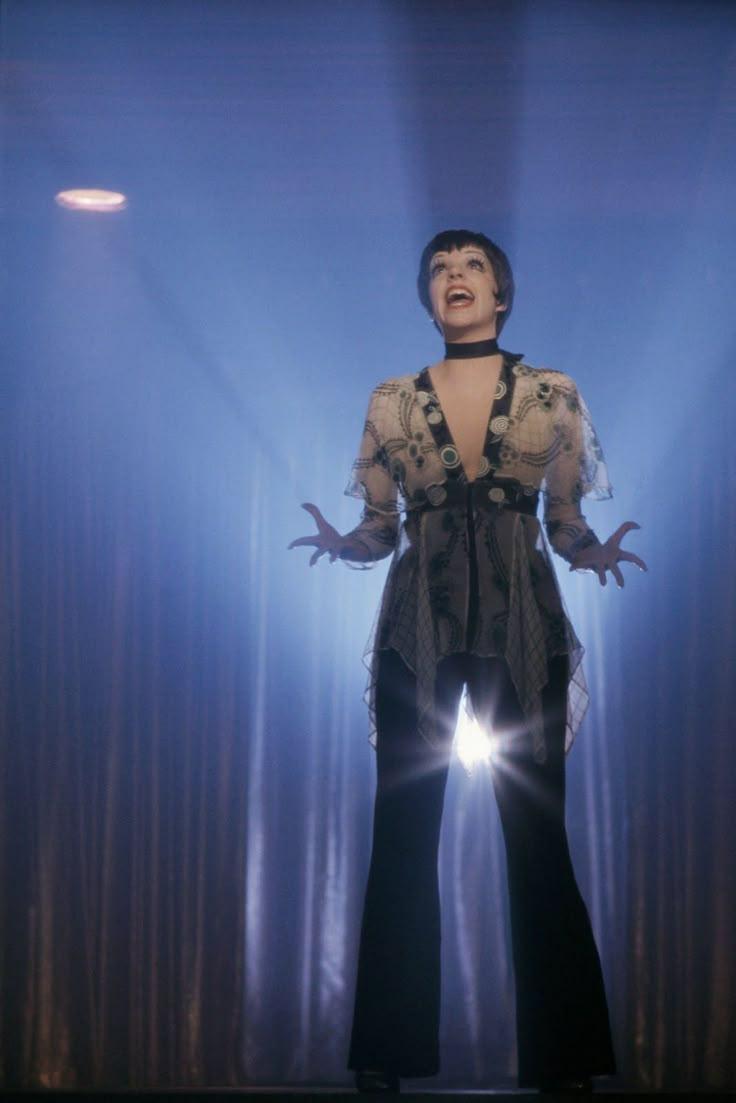
In Cabaret (1972), Fosse created a rule of realism: characters never burst into spontaneous song in the middle of everyday reality. Each musical number happened on the cabaret stage. The songs acted as commentary on the plot, avoiding film musical stereotypes.
Whereas the MGM Style had been focused on bright lighting, spontaneous song in streets and escapist fantasy.
Fosse showed that the musical could have Harsh Colours, Songs Only on a Stage, Realism
Psychological Shooting
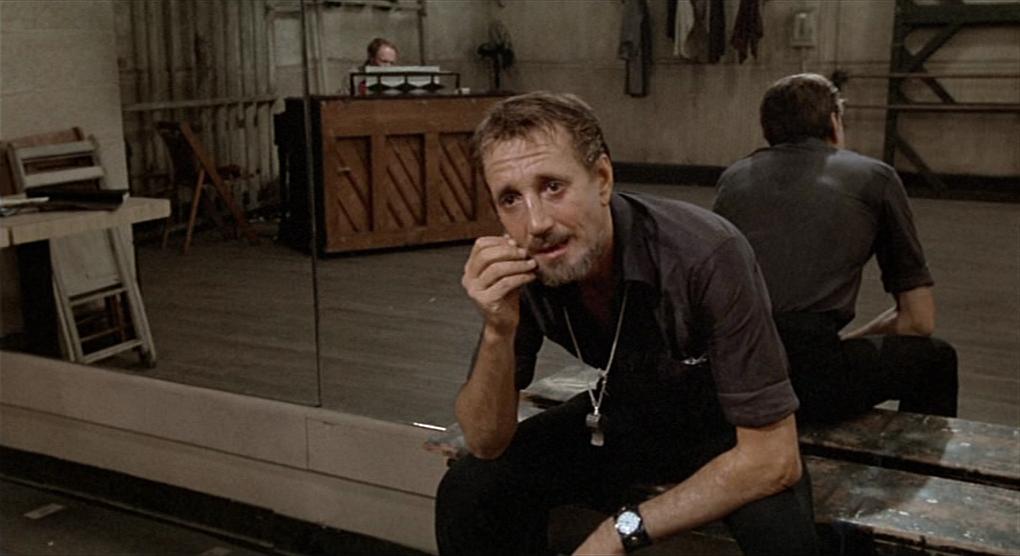
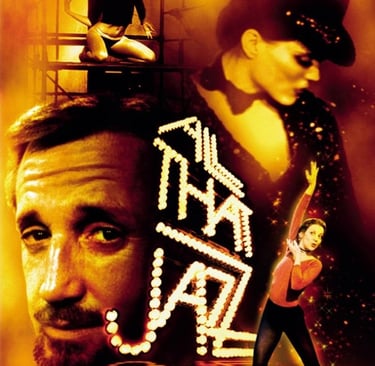
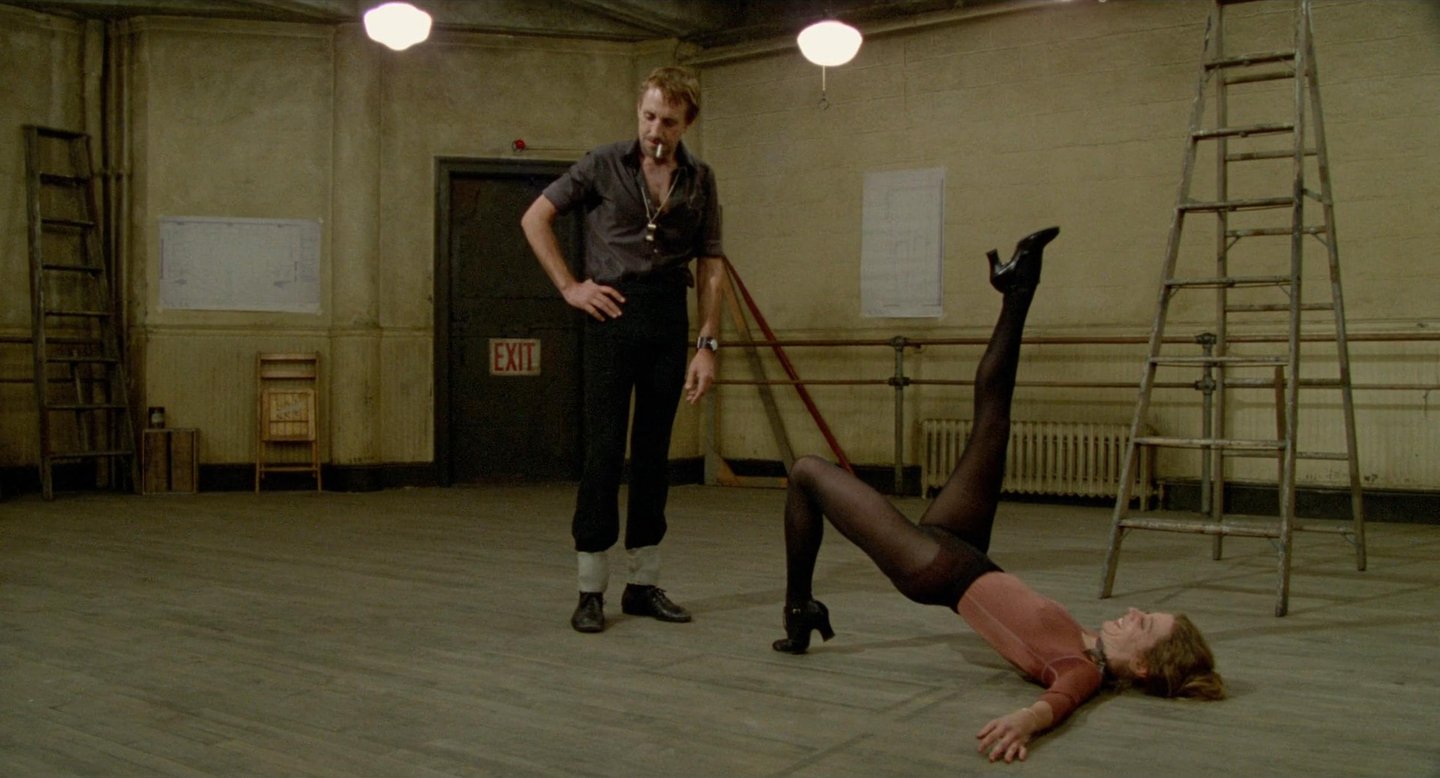
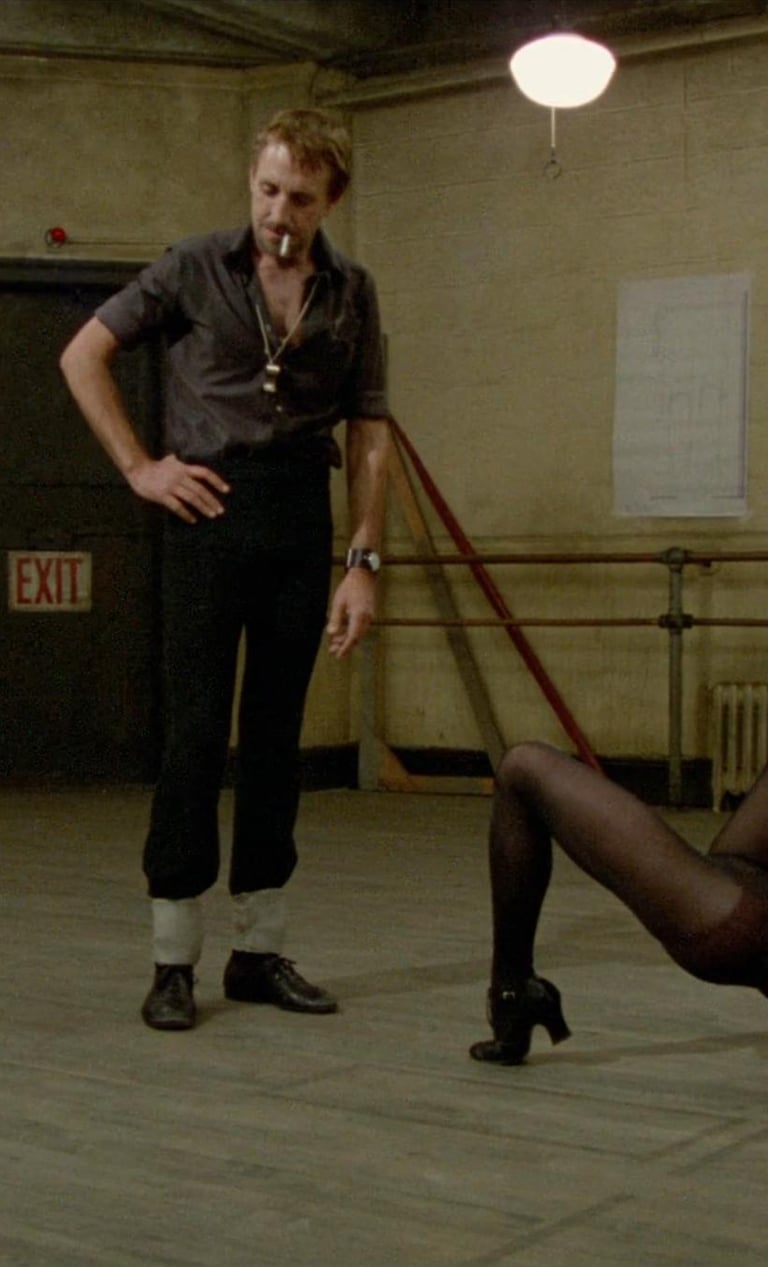
Fosse used camera zooms and freeze-frames to reveal a character's mental state. In All That Jazz (1979), he filmed extreme close-ups of main character Joe Gideon’s morning routine. The camera focuses tightly on eye drops squeezed into bloodshot eyes, prescription uppers and a lit cigarette in the shower. These tight shots created a suffocating sense of chaos and isolation.
The Masterworks
Fosse’s most famous works, Chicago and All That Jazz, were personal. They rejected traditional Hollywood happy endings.
The Birth of Chicago (1975)
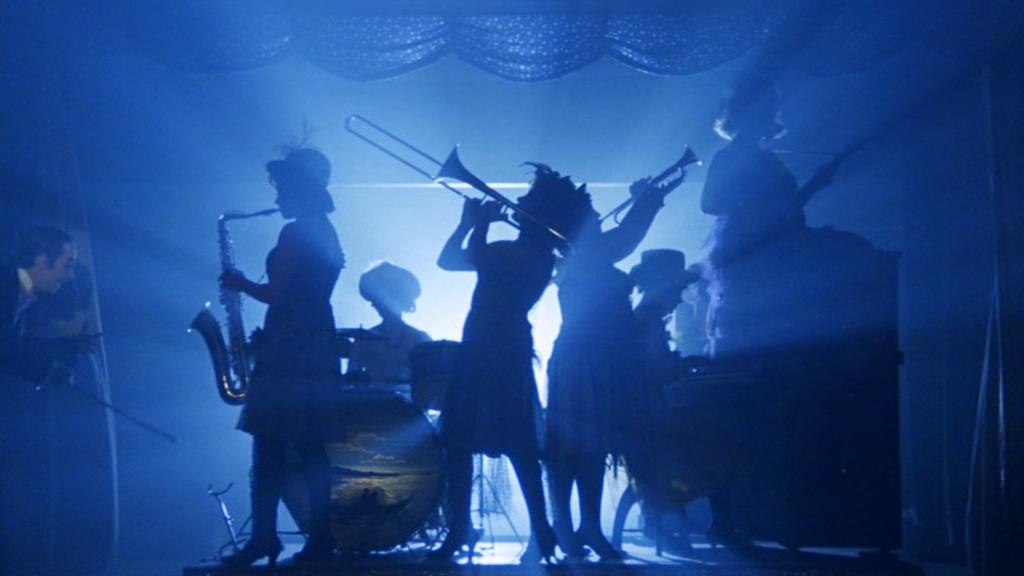
Fosse and lyricist Fred Ebb set this crime story on a vaudeville stage. They turned every character into a specific showbiz archetype. During rehearsals, Fosse underwent heart bypass surgery. His mood darkened significantly after the operation. He stripped away any remaining joy from the show, replacing it with a bitter, salty tone.
The Absolute Reality of All That Jazz (1979)
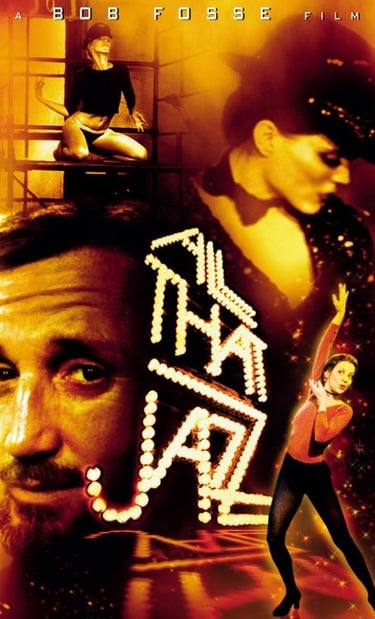
This film served as a direct autobiography. Fosse used his actual home address (58 West 58th Street) on character Joe Gideon’s pill bottles. In the movie, Gideon is a self-admitted fraud who directs his own death scene from a camera crane, criticising his own dying performance.
Real Surgical Footage
Fosse demanded exact medical realism for the hospital scenes. The open-heart surgery shown in the film used real footage of a triple bypass operation. Fosse also interviewed a cardiac nurse to find the exact grayish-green makeup shade and the right amount of forehead sweat to show a realistic heart attack.
The Tape-Recorded Interviews
To write the script, Fosse and co-writer Bob Aurthur tape-recorded interviews with Fosse’s family, lovers and coworkers. He asked them what they did while he was in the hospital.
The realism was key. Lead actor Roy Scheider copied Fosse’s gestures so perfectly that he kept them long after filming ended. Editor Alan Heim noted that Fosse never fully admitted the movie was about himself, even though coworkers told him, "Bob always said that you edited his life."
The "Razzle Dazzle" Philosophy
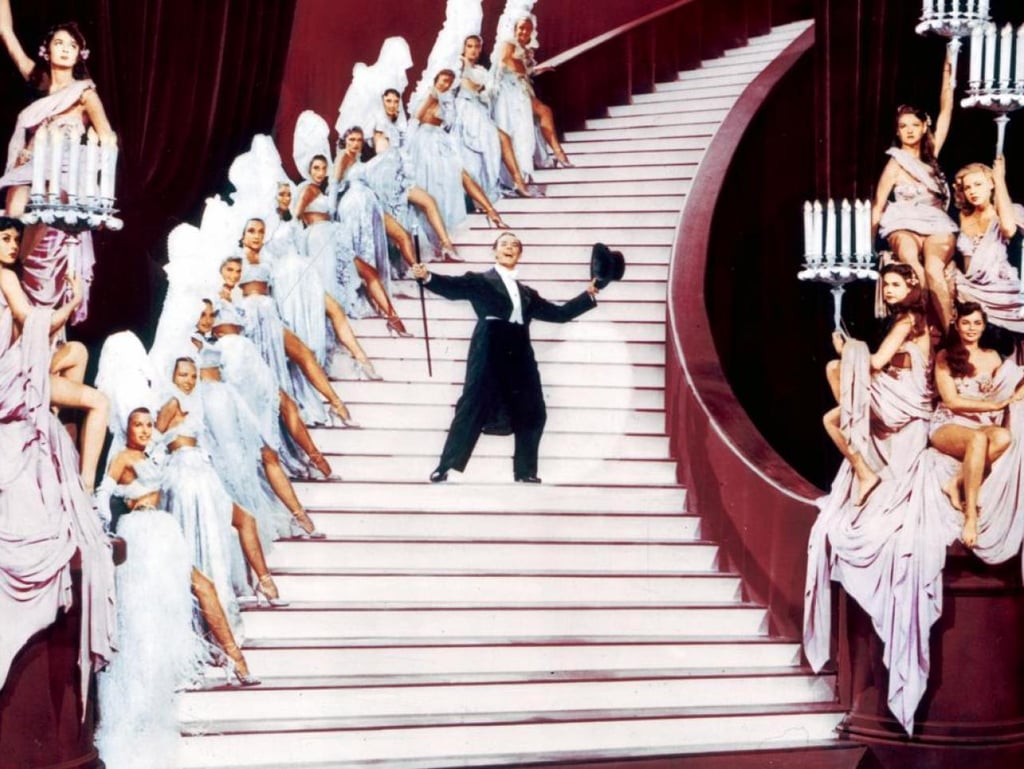
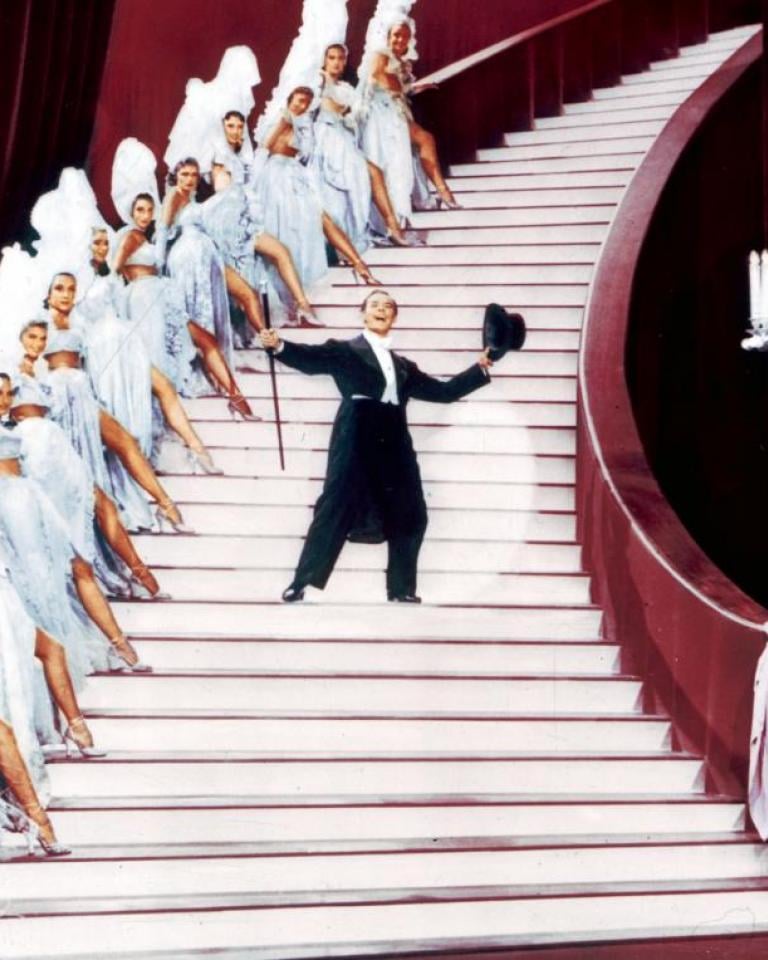
Fosse viewed show business as a metaphor for a corrupt world. He believed that superficial flash always succeeded over actual quality.
Weaponised Pizzazz: Fosse called pizzazz the glitter that blinds. He believed a director could fool an audience every time using beads, feathers and drum rolls.
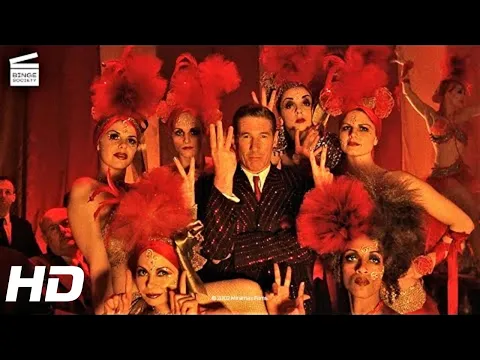
The Cynicism of Justice: In Chicago, the character Billy Flynn sings "Razzle Dazzle" directly in front of the scales of justice. The staging points to the corruption of the legal system. The lyrics openly mock how easy it is to fool the public.
The Menace of Cabaret: In the movie, the characters sing "The Money Song" as a comic vaudeville routine set in a moral void. The cheerful performance comments on how ordinary citizens treat horrors as entertainment. The title song "Cabaret" becomes a desperate, defiant statement about living irresponsibly while the world falls to the Nazi regime.
Fosse saw musical theatre as a massive trick. He loved exposing the dark truth behind the entertainment industry. For Fosse, the bright lights and razzle-dazzle were tools to hide his own self-doubt and internal darkness.
Watch
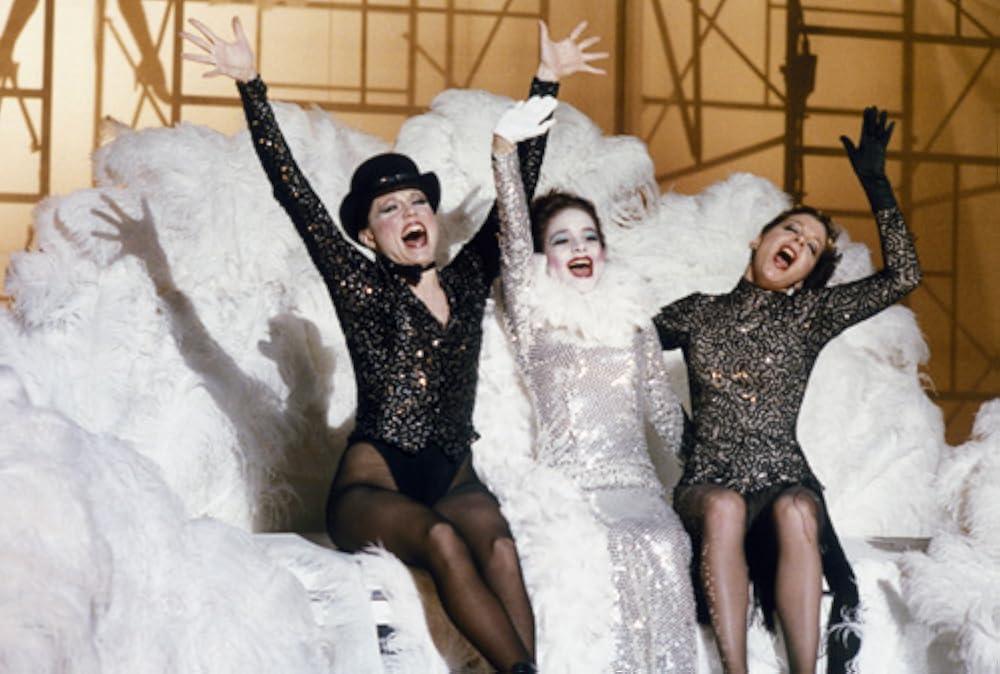
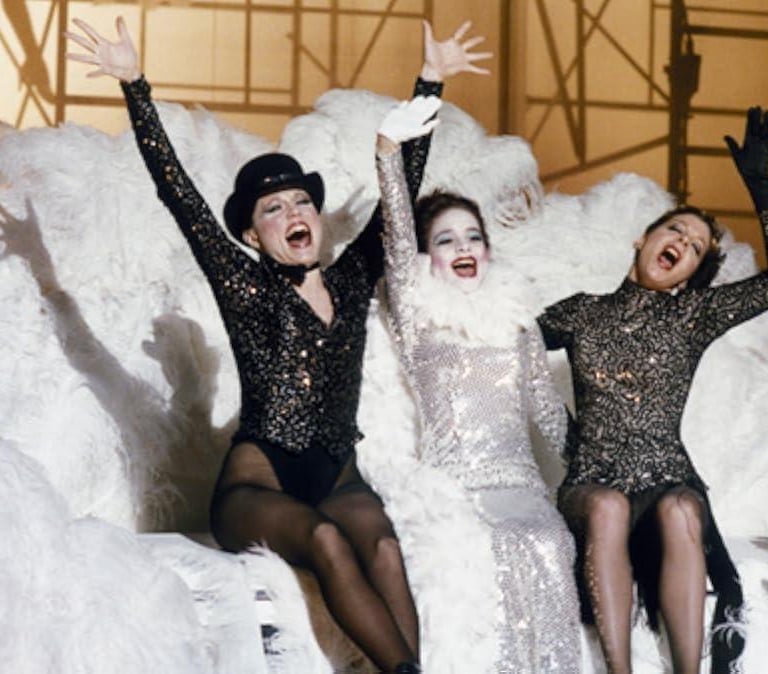
All That Jazz (1979) – “Bye Bye Life” Finale
Fosse stages death as spectacle. Joe Gideon directs his own exit like a variety show, complete with lighting cues and applause.
Further Reading
All His Jazz: The Life of Bob Fosse by Martin Gottfried
Less romantic, more forensic. This digs into the working methods and shows how the films emerged directly from the chaos of his life.
Buy it here
Fosse by Sam Wasson
Wasson describes that All That Jazz is not indulgence, but a confession. It is a man exposing himself while still trying to control the narrative.
Buy it here
Explore the Series
← Part 3: Bob Fosse in 1973: The Story Behind the Historic Triple Crown
→ Part 5: Bob Fosse Part Five: Bob Fosse’s Legacy
Chicago (2002) – “Razzle Dazzle”
Though directed by Rob Marshall, this sequence is Fosse philosophy. Law becomes theatre. Truth becomes irrelevant.