Bob Fosse Part Three: The 1973 Triple Crown Timeline
Fosse Miracle Year
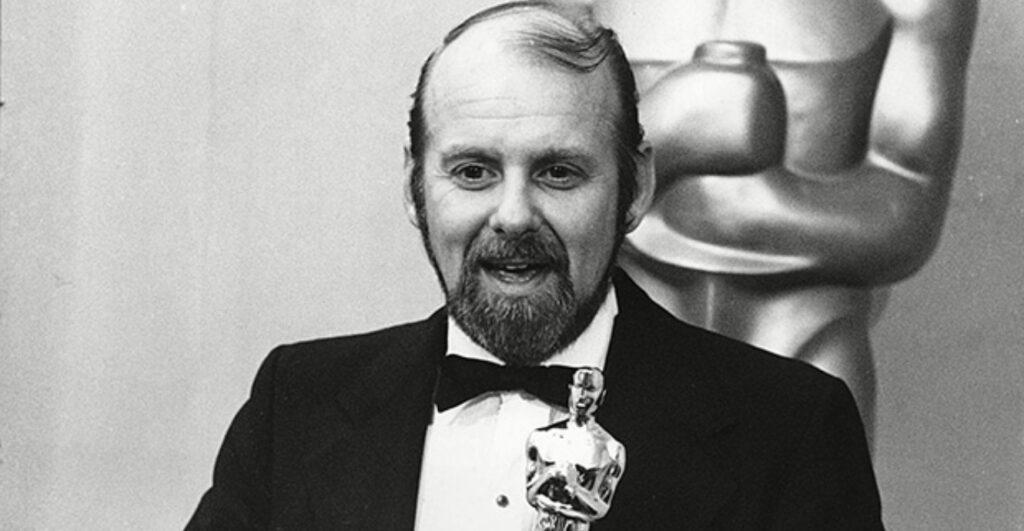
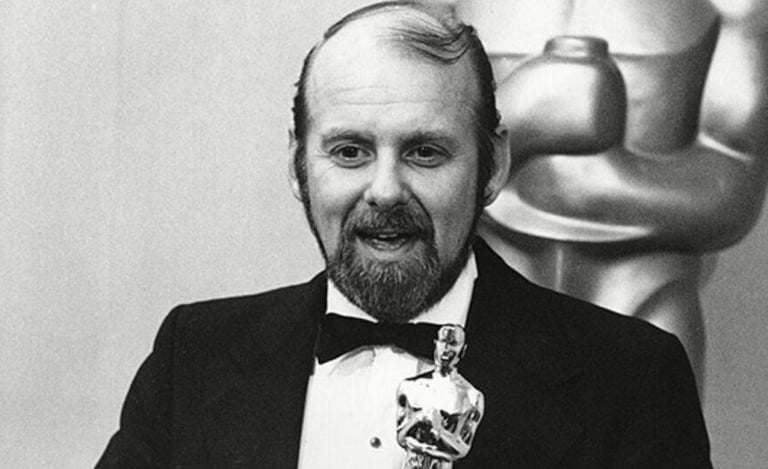
Bob Fosse won the major entertainment awards within a three-month window.
The Tony Awards, March 22, 1973
Best Director and Best Choreographer for Pippin at the Imperial Theatre. He split his trousers while ducking under a police barricade outside. He sat backstage in his underwear while a seamstress repaired them just in time for his first win.
The Academy Awards, March 27, 1973
Five days later, Fosse won the Best Director Oscar for Cabaret, beating Francis Ford Coppola for The Godfather. Fosse joked in his speech that he only won because Coppola had not shown up yet.
The Emmy Awards, May 1973
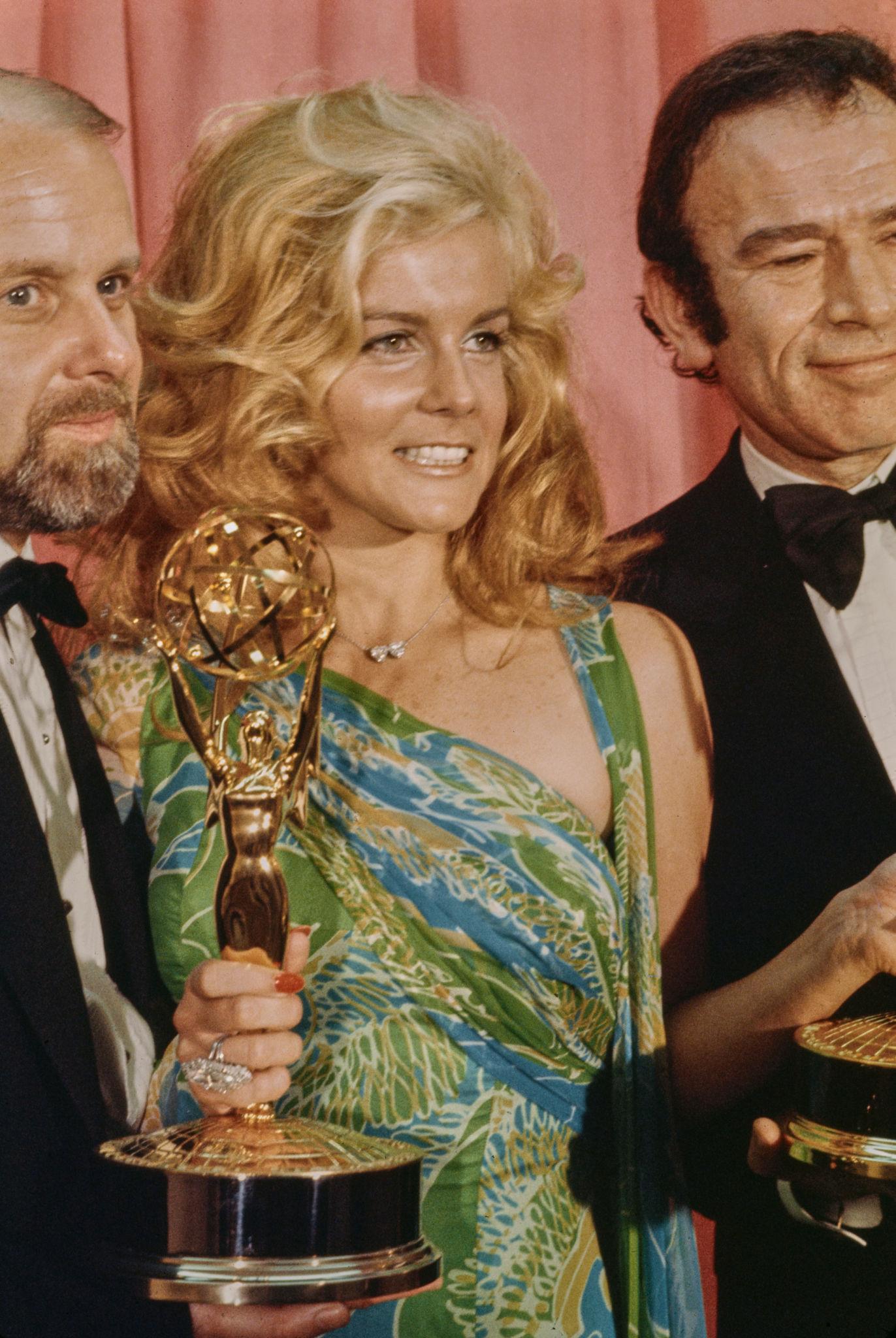
Fosse completed the sweep by winning Emmys for producing, directing and choreographing the television special Liza with a 'Z'.
Transforming Star Performances
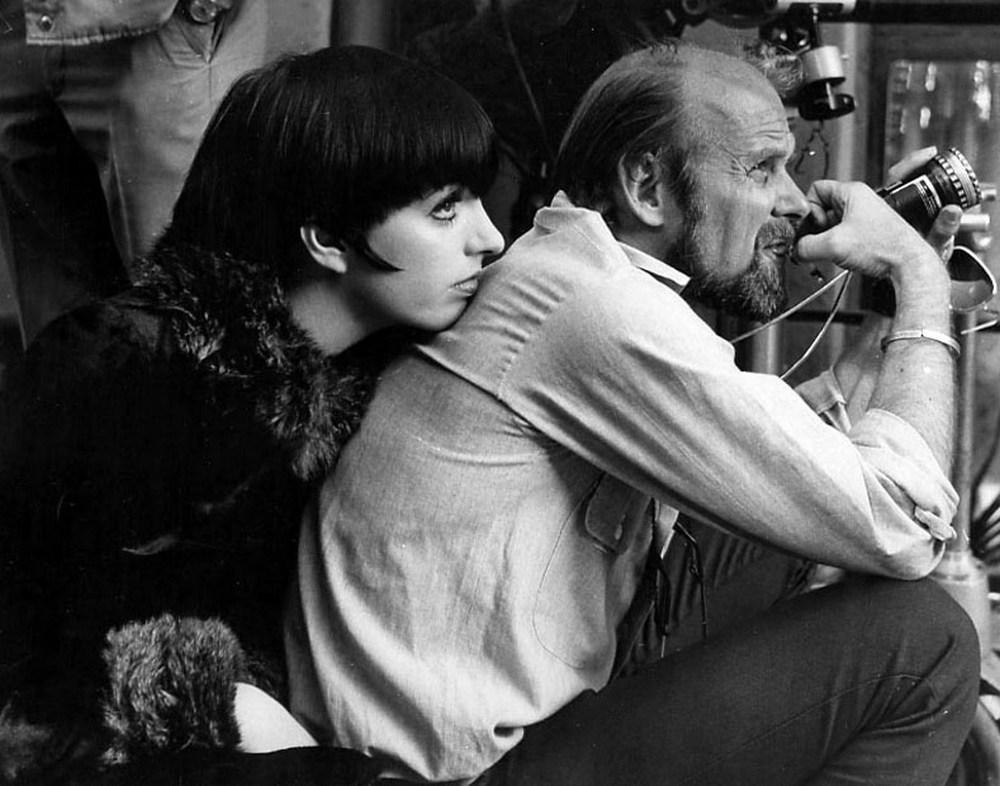
Liza Minnelli: Fosse acted as a mentor, designing her gestures, signature hairstyle and green nail polish. This distinct style helped Minnelli achieve superstardom in Cabaret and Liza with a 'Z'.
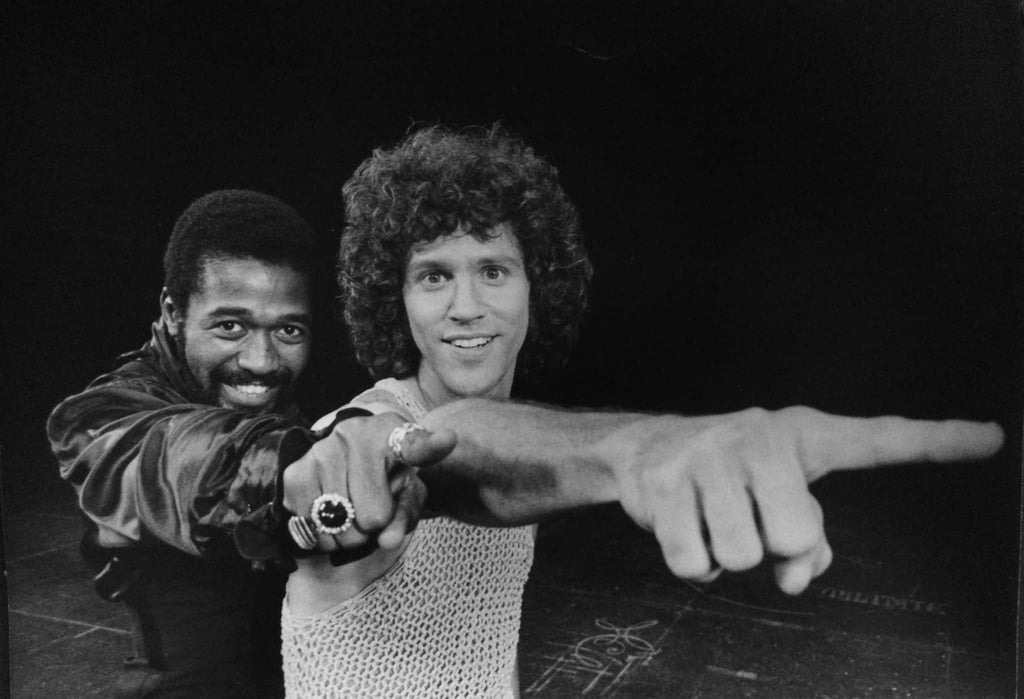
Ben Vereen: For Pippin, Fosse turned Vereen into the ultimate high-flash performer. He pushed Vereen and his trio of dancers to execute physically painful movements, stretching fingers wide to create visible stage tension.
Industry Awe vs. Personal Gloom
The entertainment industry marvelled at his success. Film director Stanley Kubrick called Cabaret the best movie he had ever seen.
Fosse felt deep imposter syndrome. He told friends the awards made him feel wonderful for six days, but by the seventh day, he believed he had simply fooled everyone.
The Rehearsal Room Tyrant
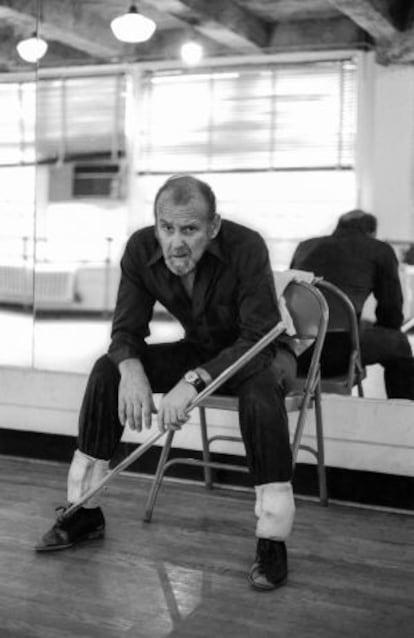
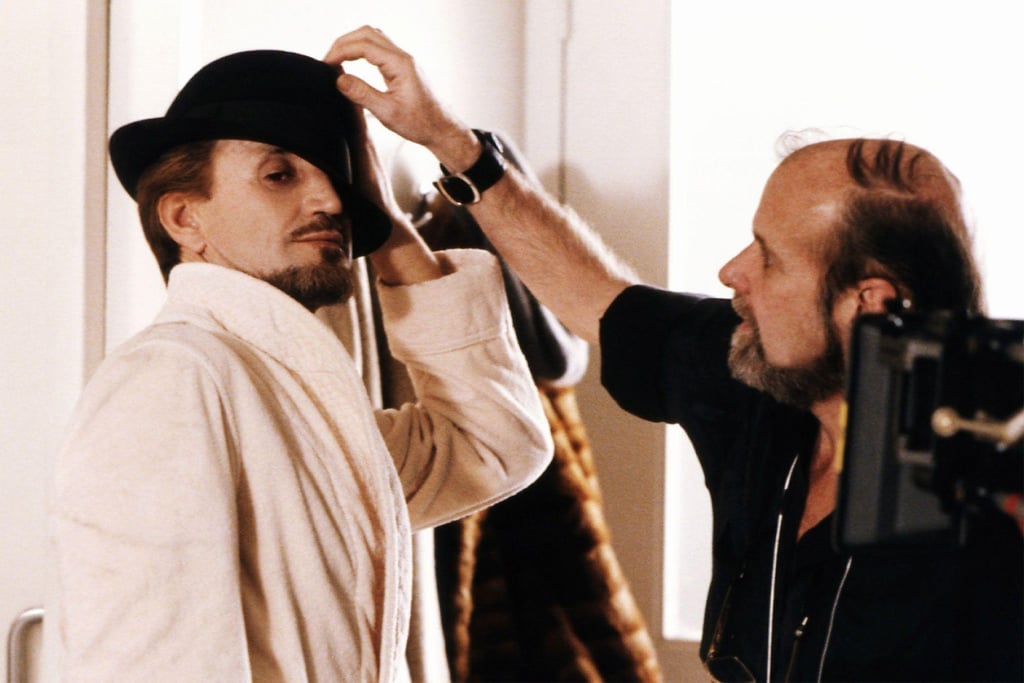
During this peak period, Fosse ran on intense nervous energy. He ran gruelling rehearsals, controlling every movement down to an eyelash flicker.
Graph Paper and Precision
Fosse created a precise shorthand system on graph paper to choreograph numbers like "Bye Bye Blackbird." Every four-beat musical bar matched an exact command, such as a head tilt or a finger snap. He used Dexedrine to fuel his focus, noting that the drug made him care about the exact colour of a hair bow.
No Tolerance for Mistakes
Fosse demanded total compliance. During the filming of Cabaret, he noticed a background dancer tap off-beat while draped on a chair during "Mein Herr." He called out the error during the daily footage review and forced the entire crew to re-shoot the difficult sequence.
The Physical Toll on Dancers
Dancers called Fosse's style the hardest work of their careers because his movements forced the body to pull in opposite directions. He banned dancers from walking through steps, forcing them to perform at full power at all times. In Pippin, Fosse used so much stage smoke to manipulate the lighting that it clogged lead actor John Rubinstein's throat, nearly ruining his voice for his Broadway debut.
Criticism
Fosse used cutting insults when performers missed his standards. On the set of Chicago, he yelled names out and told dancers they were stupid. He admitted to lyricist Fred Ebb that he intentionally targeted vulnerable people because their mistakes drove him crazy.
The Cost of Perfection
Behind his public grin, Fosse's body deteriorated from addiction and exhaustion.
The Attache Case "Drugstore"
Fosse carried a leather briefcase that film editor Alan Heim called "the drugstore." It held a dangerous mix of prescription drugs:
Dexedrine: Amphetamines to wake him up.
Seconal: Sleeping pills to force rest.
Dexamil: A narcotic blend of amphetamines and tranquilisers.
Lethal Habits
Fosse lived on a diet of double margaritas and chain-smoked four packs of Camel cigarettes a day. He used amyl nitrate poppers to spike his heart rate for creative and physical stimulation. By late 1973, he looked gaunt, coughed violently and needed physical help to rise from his chair while directing the film Lenny.
Psychiatric Breakdown
In late May 1973, weeks after winning his Emmys, Fosse checked into the Payne Whitney Psychiatric Clinic for severe depression. He told doctors he wanted total isolation and did not want anyone to see him.
Final Warning Signs
Fosse soon developed sharp chest pains and numbness in his left arm. He later dramatised these exact heart attack symptoms in his autobiographical movie All That Jazz. He refused to stop working, telling his doctor he needed constant applause to prove he was lovable.
Further Reading
All His Jazz: The Life of Bob Fosse by Martin Gottfried
Coloured Lights: Forty Years of Words and Music, Show Biz, and All That Jazz by John Kander and Fred Ebb with Greg Lawrence
A collaborative memoir where the songwriting duo reflect on their creative process and partnership with Bob Fosse on projects like Chicago and Cabaret.
Buy it here
Fosse by Sam Wasson
Wasson frames Fosse not just as an artist, but as a man permanently at war with himself.
Buy it here
Cabaret: The Making of a Musical by Keith Garebian
Explores the development of Cabaret and its radical shift in musical storytelling, where Fosse’s direction transformed Broadway spectacle into politically charged cinema language.
Buy it here
Watch
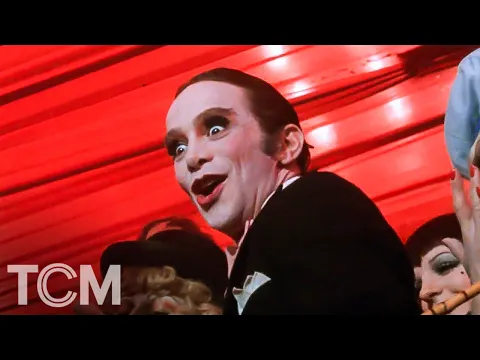
“Cabaret” (1972) — Opening / Emcee Introduction
Fosse’s cinematic language is in full throttle as his camera isolates gestures, glances and movement.

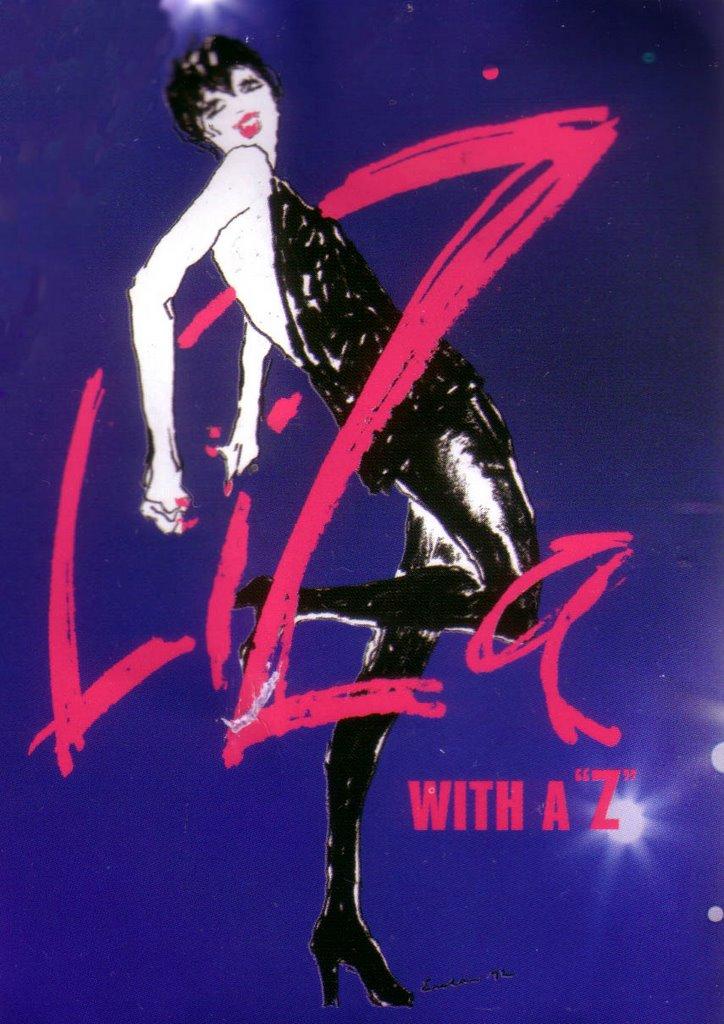
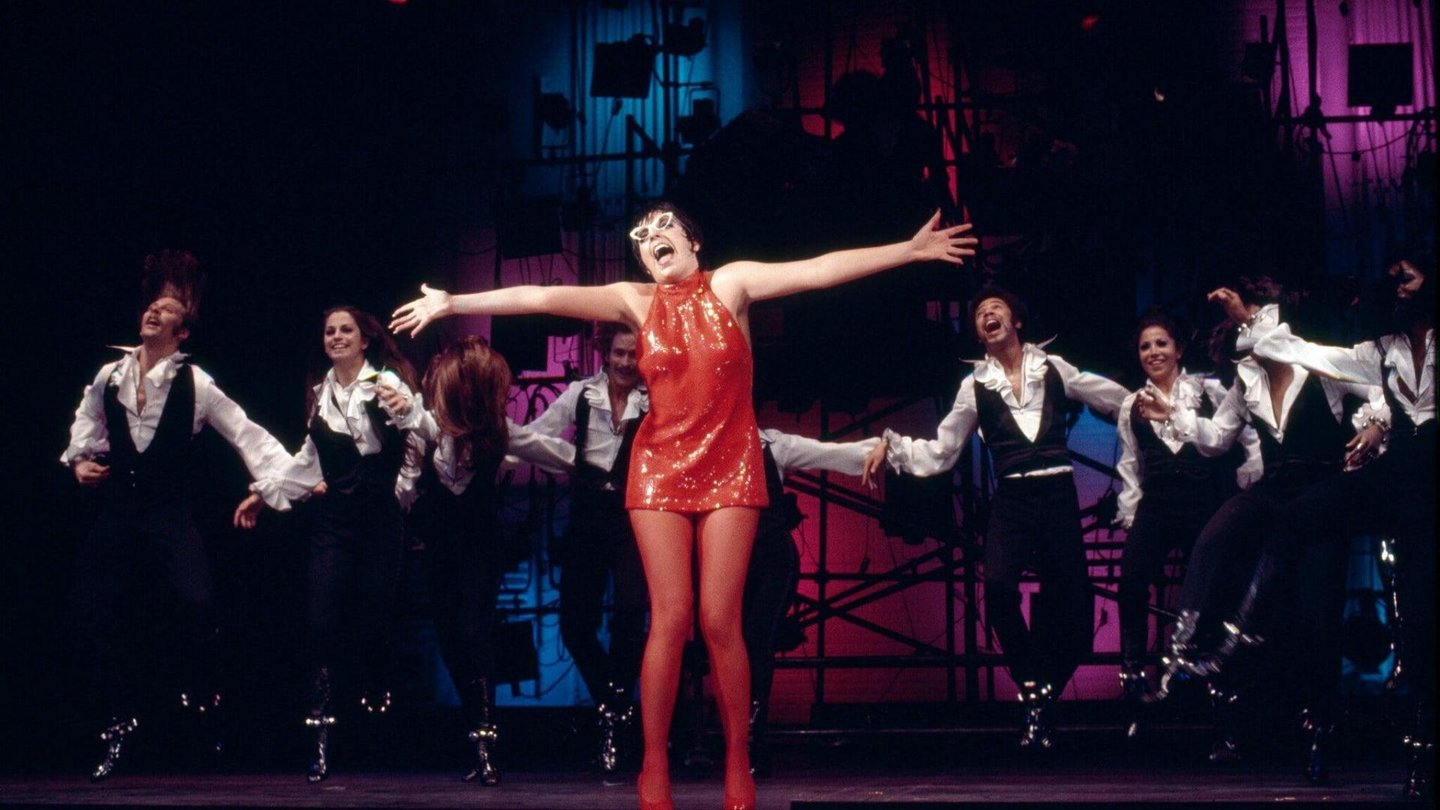
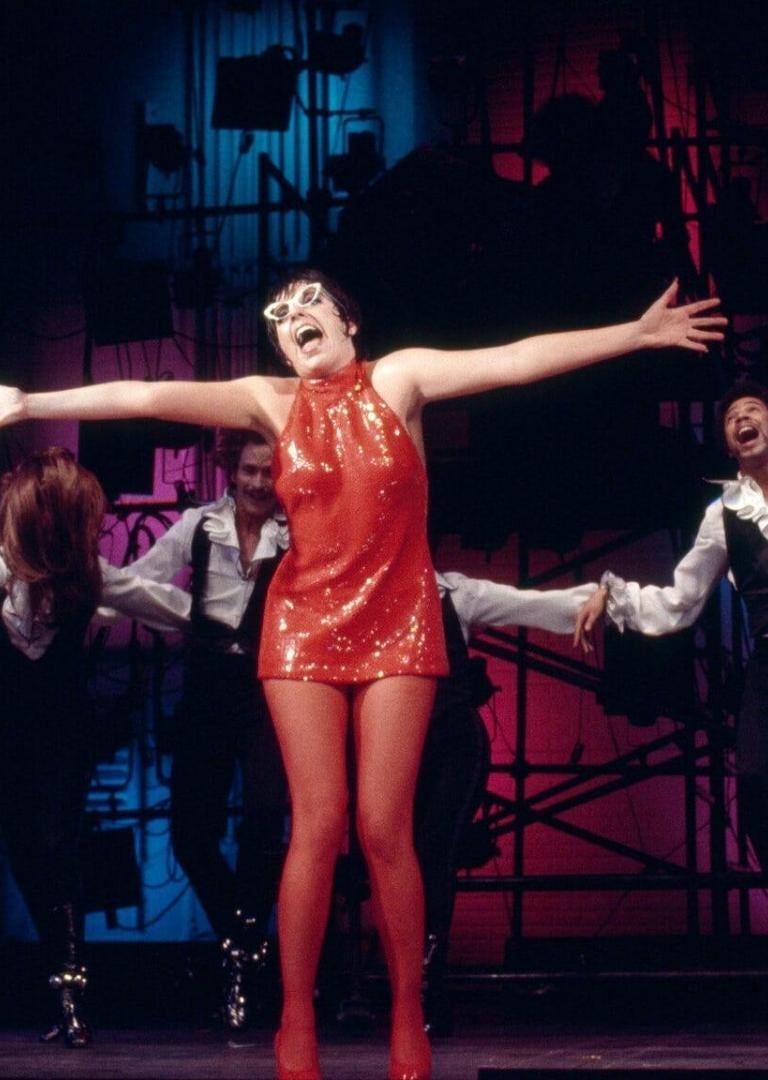
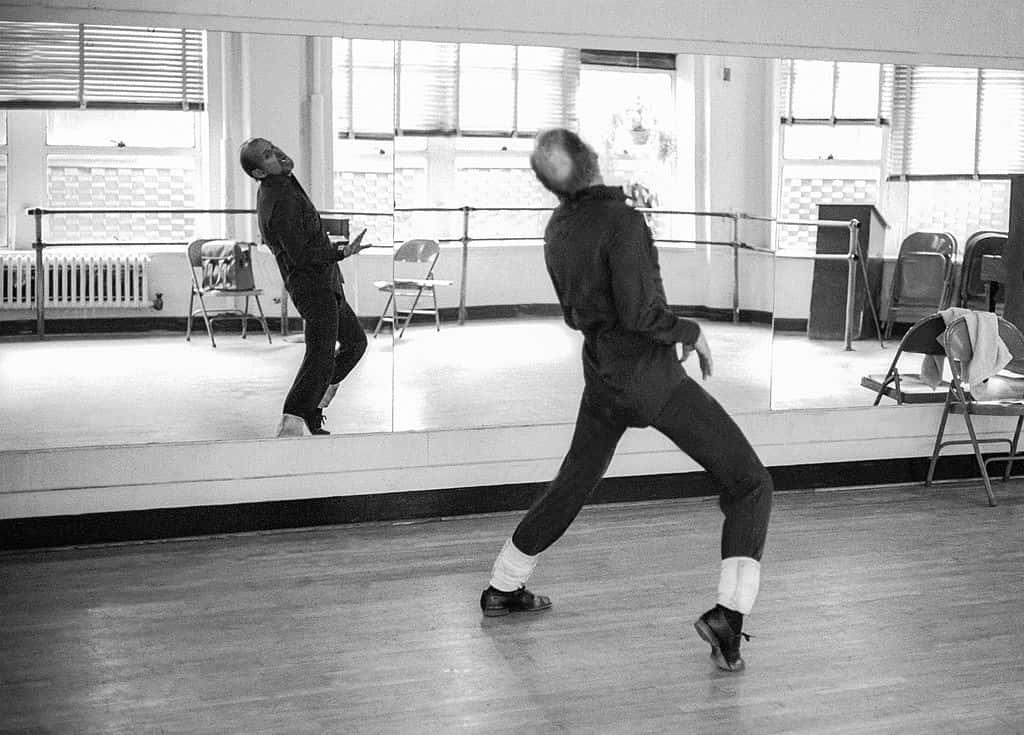
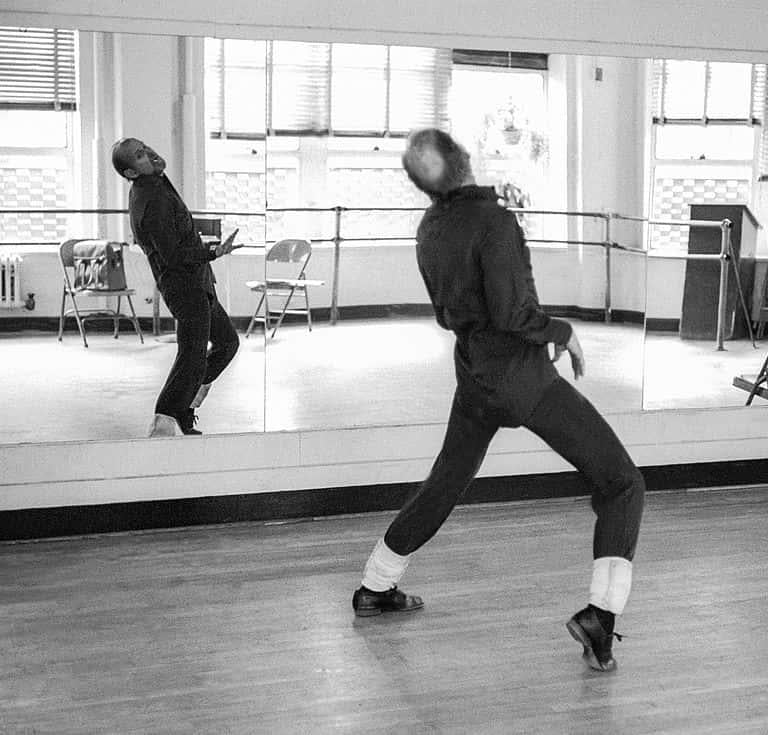
“Liza With a Z” (1972)
Fosse here shapes his star's physical presence.