Bob Fosse Part Five: Bob Fosse’s Legacy
The Dramatic Final Act and Modern Pop DNA
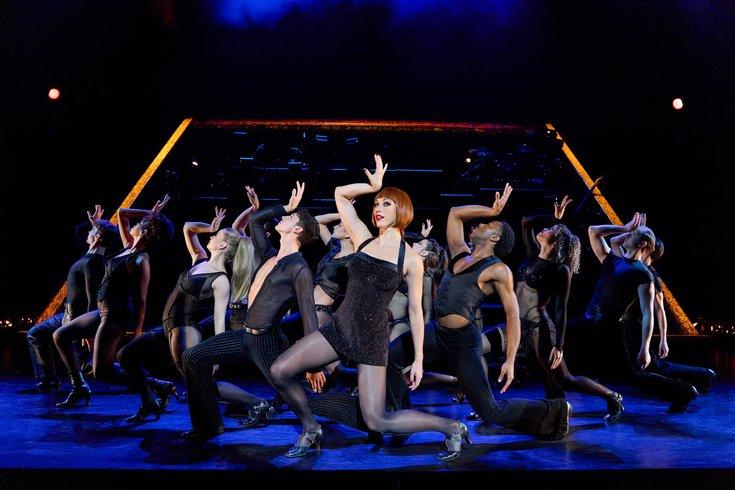
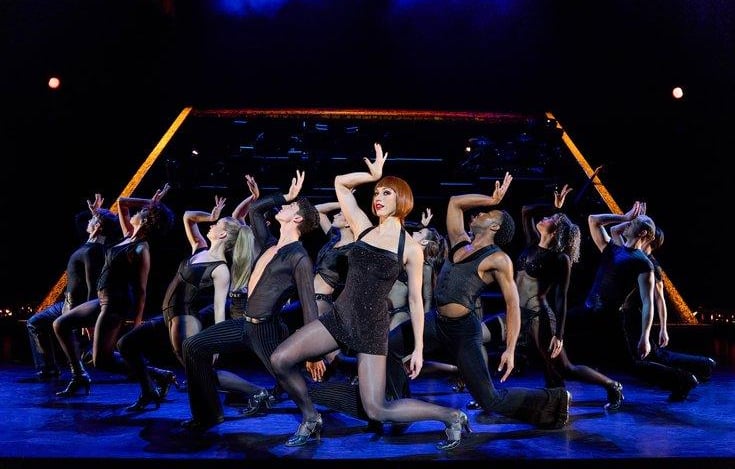
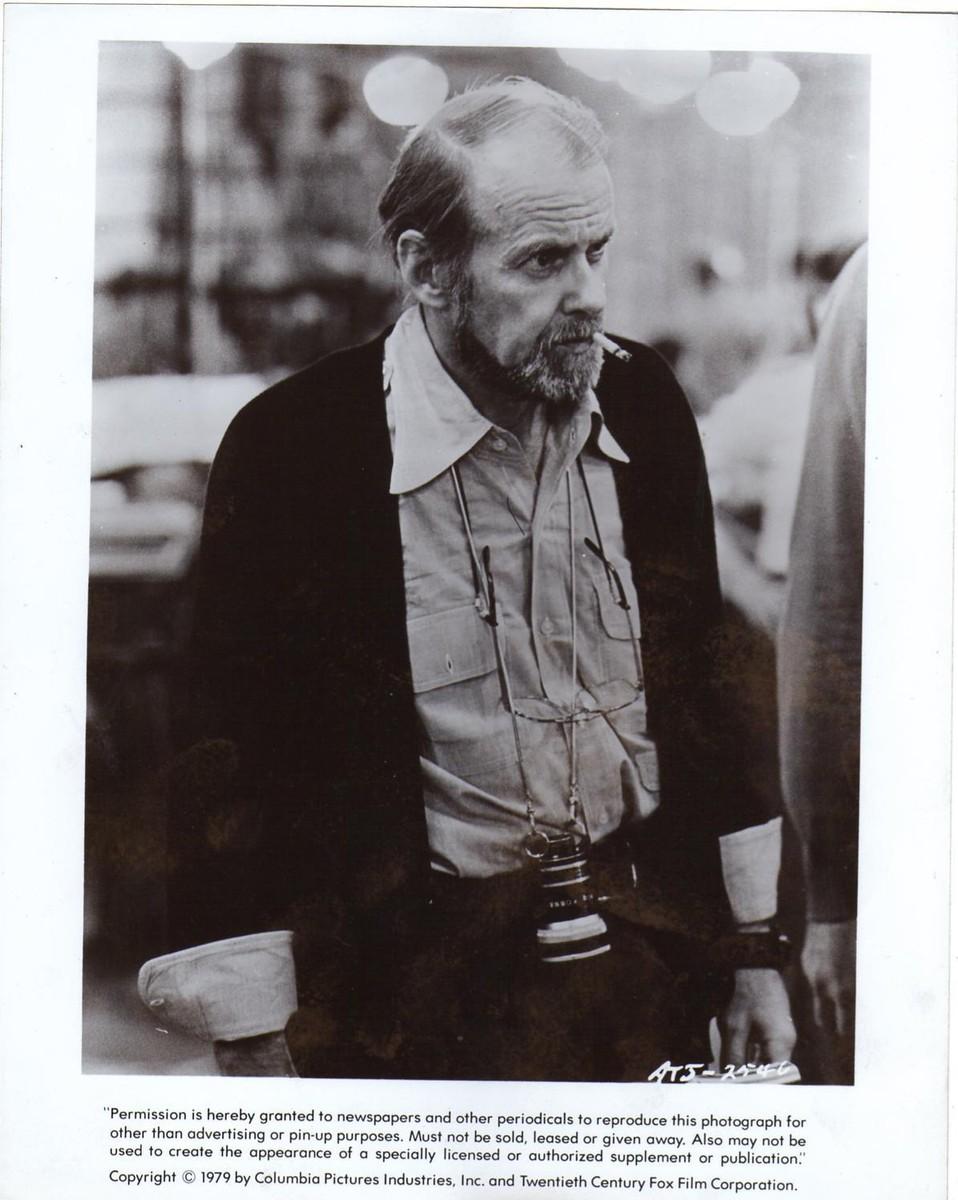
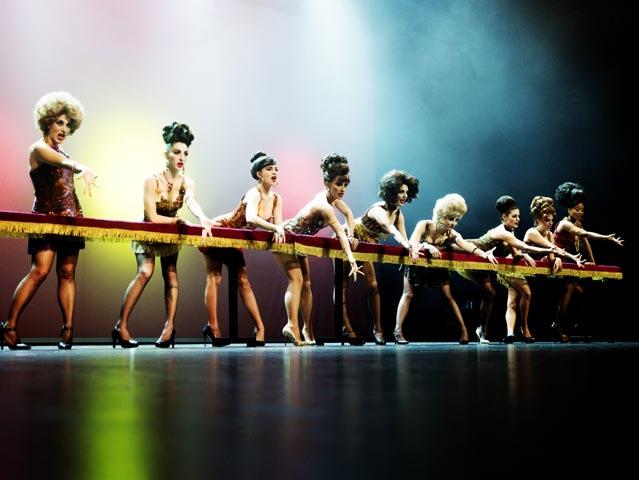
Bob Fosse changed the visual language of American dance. He turned his personal physical differences into an immortal artistic brand, his surname synonymous with a certain look, approach and style. Long after his sudden death in 1987, his choreography continues to shape global entertainment.
Fosse’s stylistic fingerprints remain embedded in modern pop culture. His revolutionary film-making techniques paved the way for the MTV era and inspired icons from Maddonna to Beyoncé. Here is the story of Fosse’s dramatic final exit and his lasting impact on modern dance.
The Sidewalk Collapse
Fosse was in Washington, D.C., for the opening night of a Sweet Charity revival at the National Theatre. At 6:30 PM, during the backstage half-hour call, Fosse and Gwen Verdon left the theatre. They began walking to the nearby Hotel Willard to change clothes for the show.
Fosse suffered a sudden heart attack and collapsed at the corner of 13th Street and Pennsylvania Avenue. Verdon dropped to her knees and cradled his head in her arms while a crowd gathered. Paramedics rushed Fosse to George Washington University Hospital, where doctors pronounced him dead.
The Dramatic Exit and The Final Will
Bob Fosse died on September 23, 1987, at age 60. His final exit was as precisely timed and theatrical as one of his Broadway musical finales.
The Grim Irony
While sirens carried Fosse to the hospital, the audience at the National Theatre returned to their seats after intermission, completely unaware that the director was dying. Earlier that day, Fosse had told the cast he would do anything to make sure the show was a hit. In a grim twist of theatrical fate, ticket sales skyrocketed immediately following his death.
The Final Dinner Party
Fosse left an estate worth nearly $4 million. His last will and testament contained a flamboyant final request. He left $25,000 to be split among 66 close friends "... so that when my friends receive this bequest they will go out and have dinner on me."
On October 30, 1987, his friends used this money to host a star-studded wake in the Crystal Room at Tavern on the Green. The organisers decorated the room with Fosse's signature bowler hats at every table setting, Lucite magic wands and noisy toys that whistled and clapped. Guests ate a chocolate cake shaped like a derby hat.
The Ritual Dance
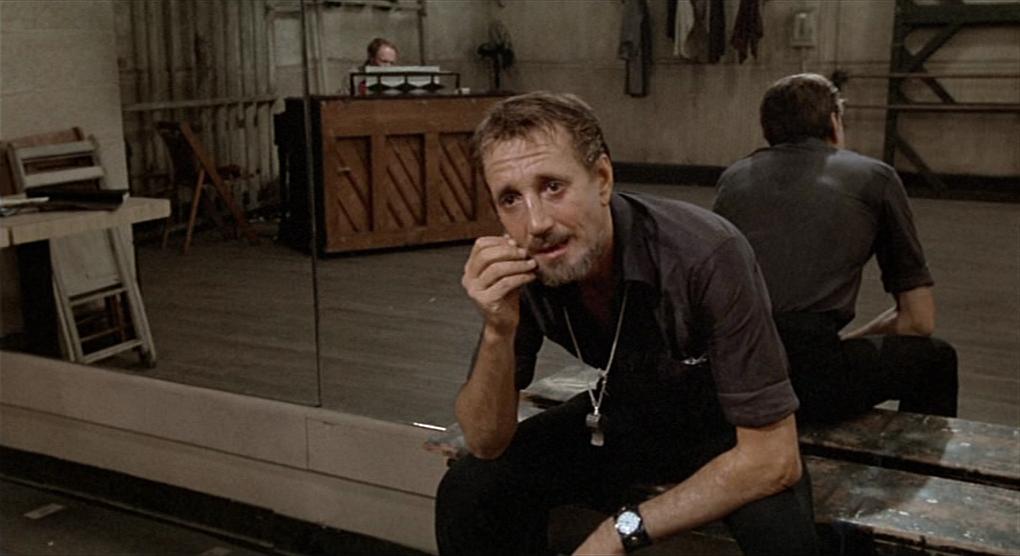
Guests described the wake as Fosse's final production number. Actor Roy Scheider noted that it felt as if Fosse himself was orchestrating the event. Fosse's cardiologist marvelled at the fact that a man could choreograph his own funeral party.
The night peaked when Gwen Verdon, Nicole Fosse and Ann Reinking, the three most important women in his life, stepped onto the floor. They performed a complex, intense ritual dance together in a tight circle.
Fosse's Impact on Madonna, Beyoncé and Pop Culture
Fosse revolutionised filmed dance by rejecting the wide, continuous shots of the Fred Astaire school of film making. Instead, he used a restless camera with rapid jump-cuts and tight close-ups on isolated body parts. This cutting-and-pasting film style became the blueprint for modern music videos, directly influencing generations of pop icons.
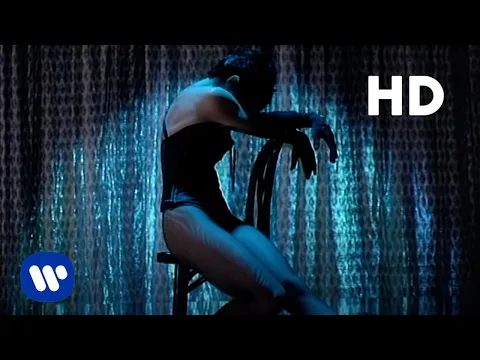
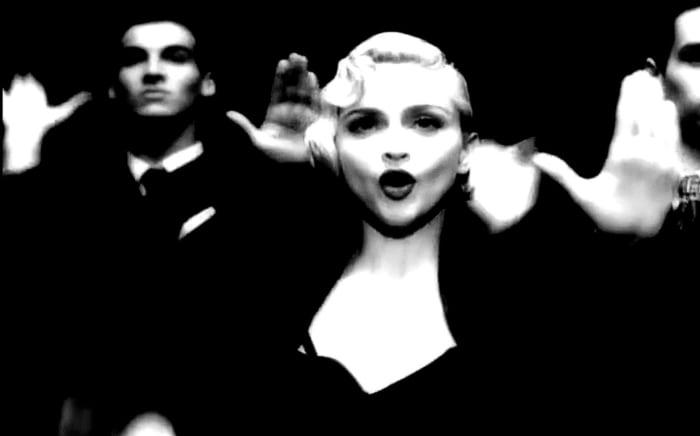
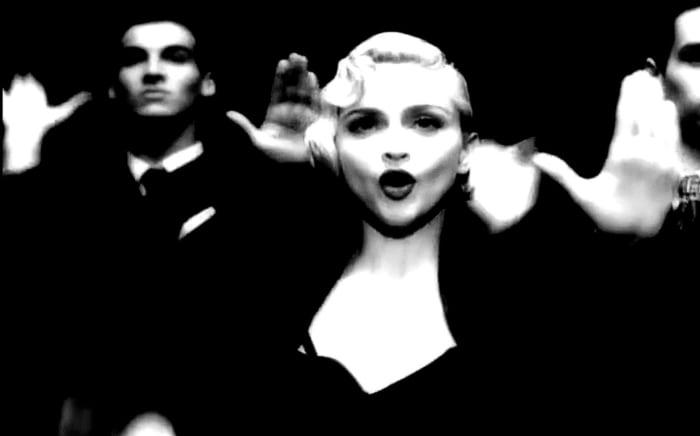
Madonna: Madonna built much of her visual identity on Fosse’s provocative style. Her music video for "Open Your Heart" directly mirrors Liza Minnelli’s performance in Cabaret, while her iconic "Vogue" video and 1990 Blond Ambition tour channel his choreography through sharp, angular poses and isolated hand movements.
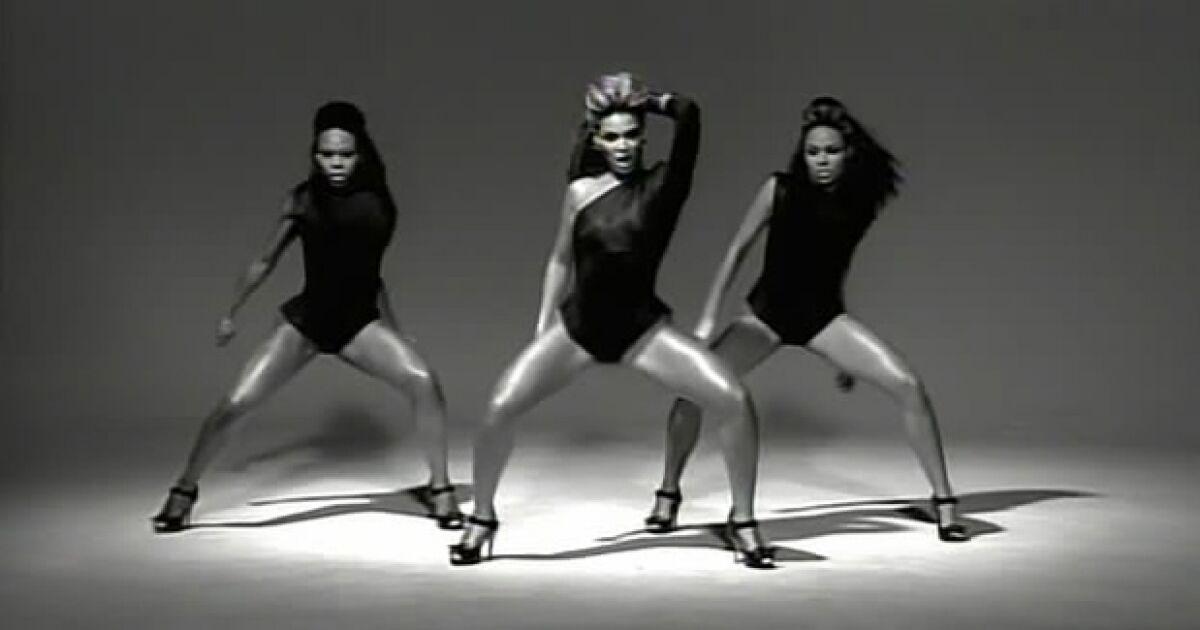
Beyoncé: A direct choreographic link connects Beyoncé’s famous "Single Ladies (Put a Ring on It)" music video to Fosse’s 1969 "Mexican Breakfast" routine from The Ed Sullivan Show. Beyoncé has openly stated that she intentionally reclaimed and updated Fosse's classic repertory for modern audiences.
Modern Music Videos: Fosse's roving camera style set the standard for digital editing and music video choreography. Directors copied his quick cuts for major pop works, ranging from the "Maniac" dance sequence in the movie Flashdance and videos by Paula Abdul and Rihanna.
Summing Up a Flawed Genius
Bob Fosse remains the most influential figure in 20th-century jazz dance. He altered how we view dance on both the Broadway stage and the movie screen.
The Prince of Darkness
Fosse lived with deep self-doubt and internal contradictions. Shubert Theater president Bernie Jacobs noted that Fosse could be the most polite and considerate man but he was also nasty to other people and to himself. Lyricist Fred Ebb nicknamed him the "Prince of Darkness" because Fosse intentionally targeted vulnerable people and stripped his shows of happy sentiment, choosing to focus on corruption and flash.
Artistic Immortality
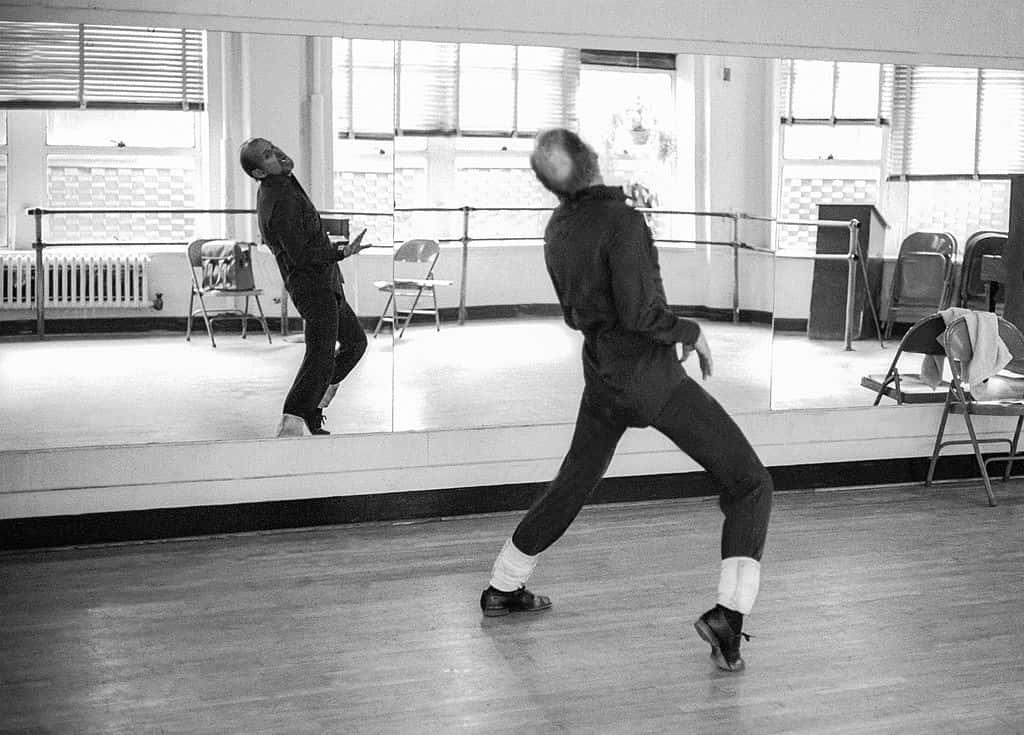
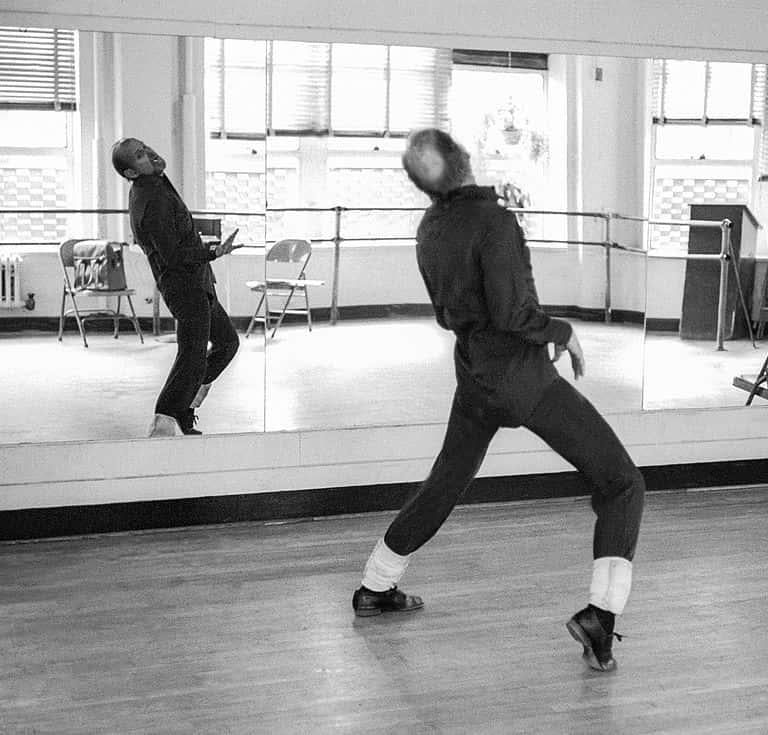
Fosse used his own life as raw material for his art. He took his deepest insecurities, his premature balding, his bad posture and his awkward hands, and turned them into a powerful global brand. Though he spent his life convinced he was a personal fraud, he created a style that changed the American entertainment landscape.
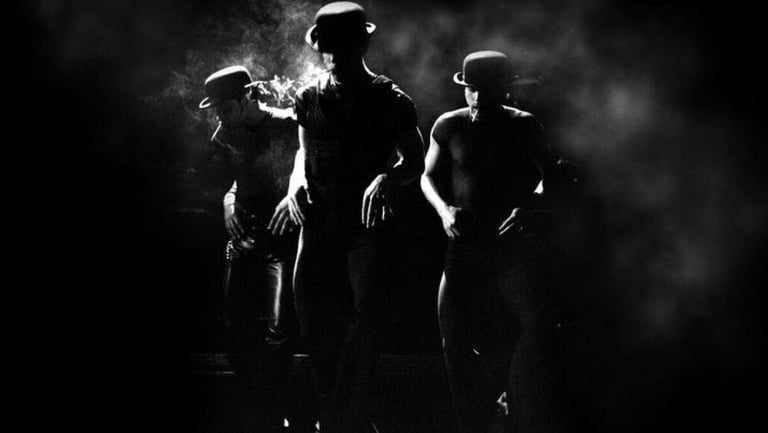
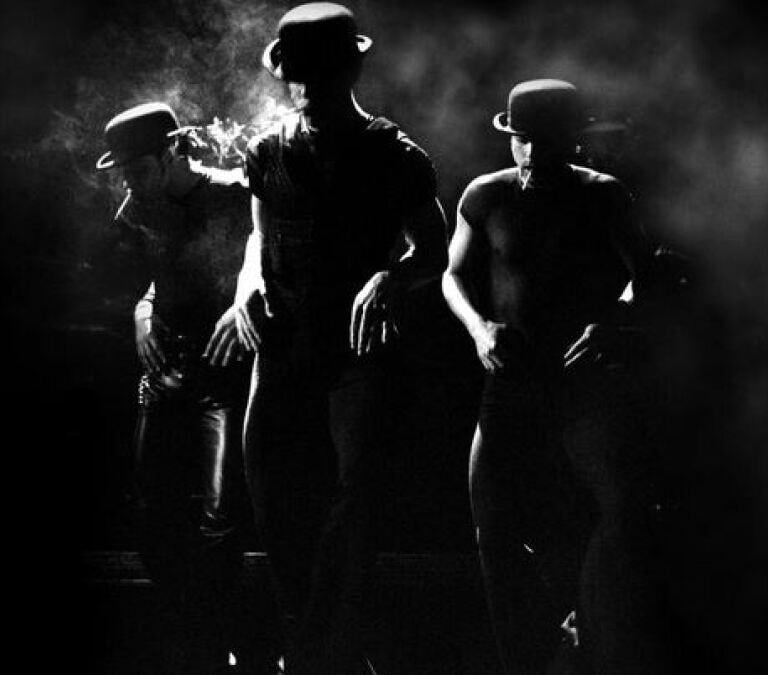
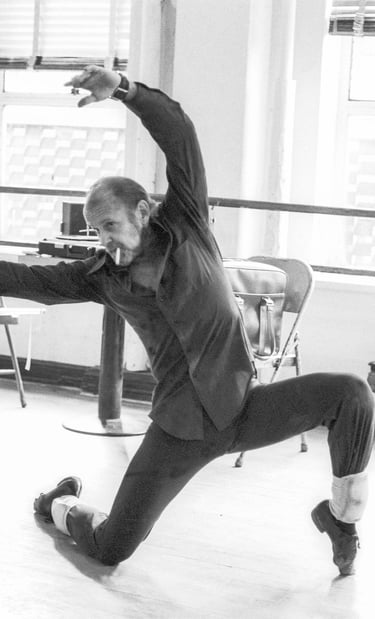
The enduring image of Bob Fosse is not a face, but a stark black silhouette: the shadow, the bowler hat, and the splayed hands. Fosse knew he would not live to old age, once joking that when he died, he would reach out of his coffin to ask for one final cigarette. He accepted his own dark reality, famously stating after he rehearsed his own death scene for All That Jazz: "The best part of it is, they forgave me too."
Watch
“Mexican Breakfast” – The Ed Sullivan Show (1969)
This is the source code for Beyoncé's Single Ladies video. Watch the isolations, the turned-in knees, the precision of hands and hips. The choreography feels both mechanical and sensual, controlled but dangerous.
Further Reading
All His Jazz: The Life of Bob Fosse by Martin Gottfried
The essential description of Fosse's rehearsal room dynamics.
Buy it here
Fosse by Sam Wasson
Wasson shows how Fosse’s fixation on control, sexuality, and performance as transaction feeds directly into the visual culture that artists would later exploit.
Buy it here
Explore the Series
← Part 4: Bob Fosse Part Four: Razzle Dazzle and Dark Realities
[End of Series]
Open Your Heart – Madonna (1986)
This is Fosse filtered through pure 1980s pop. Madonna performs inside a peep-show booth, echoing the voyeurism of Cabaret and Sweet Charity. The staging is clinical, transactional: bodies on display, desire controlled and sold. Watch the isolations.