Bob Fosse Part One: The Smoke-Filled Start
How Chicago’s Burlesque Clubs Created the Bob Fosse Style
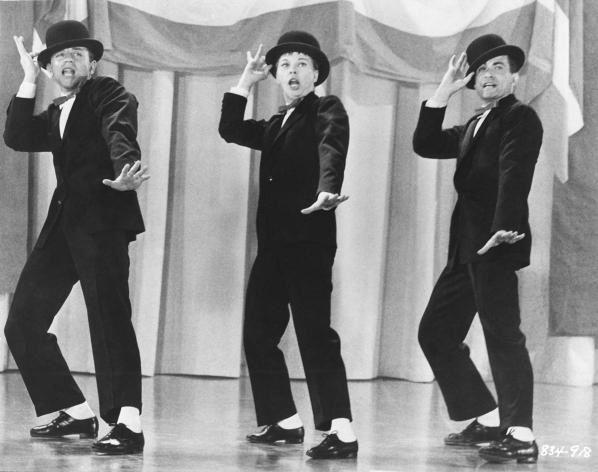
Bob Fosse learned dance in the grit and sweat of underground Chicago burlesque. The iconic Fosse style, the hunched shoulders, turned-in toes, and trademark bowler hats, was not born from classical perfection. It was a brilliant system designed to hide his physical flaws and capture the attention of hostile crowds.
Understanding Fosse’s beginnings shows how he turned personal weakness into legendary stage presence. Here is how a teenage tap dancer turned his limitations inside out to redefine Broadway choreography.
The Underworld Clubs
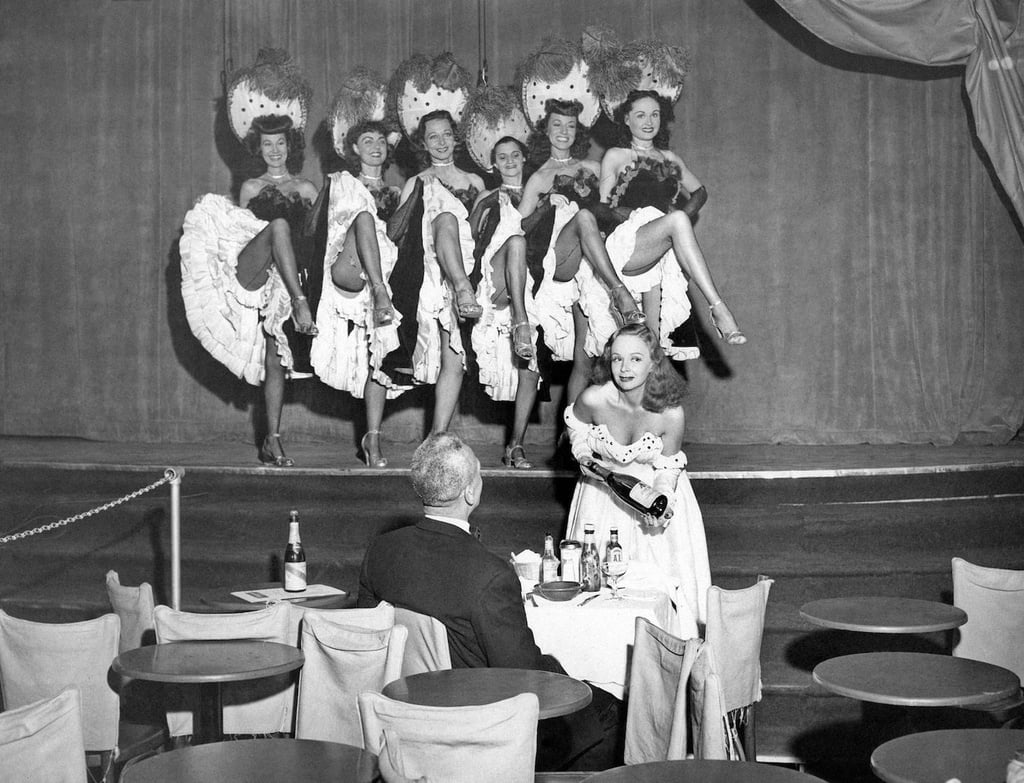
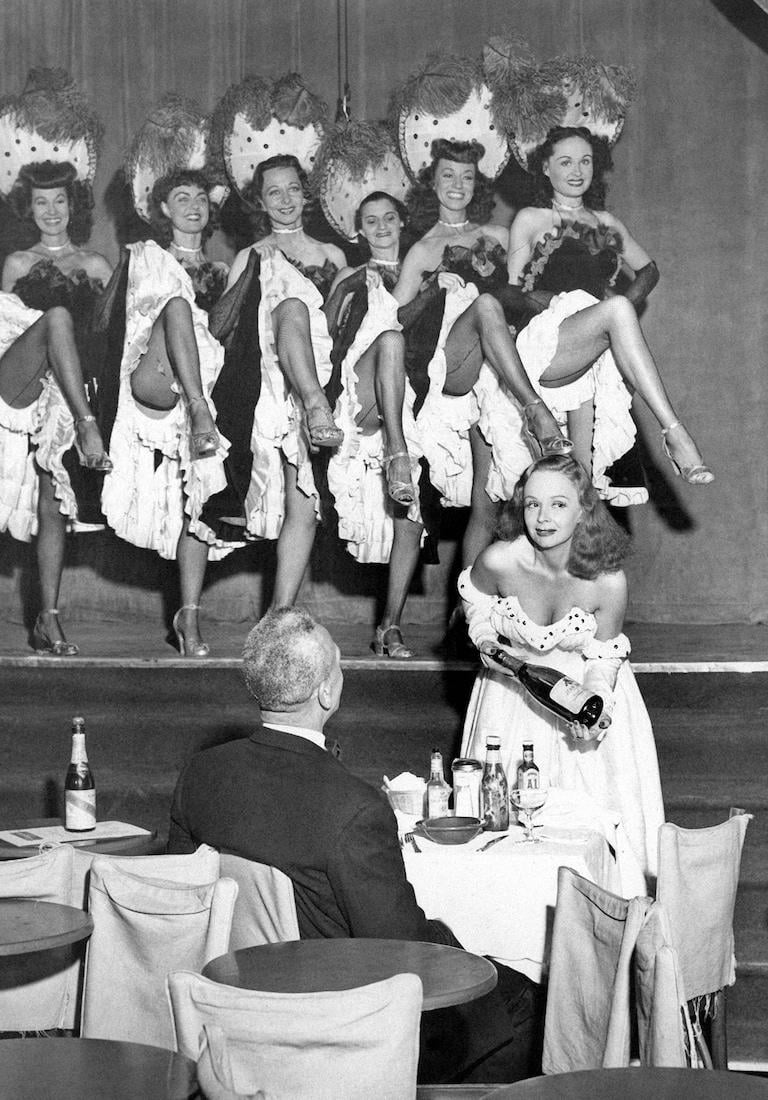
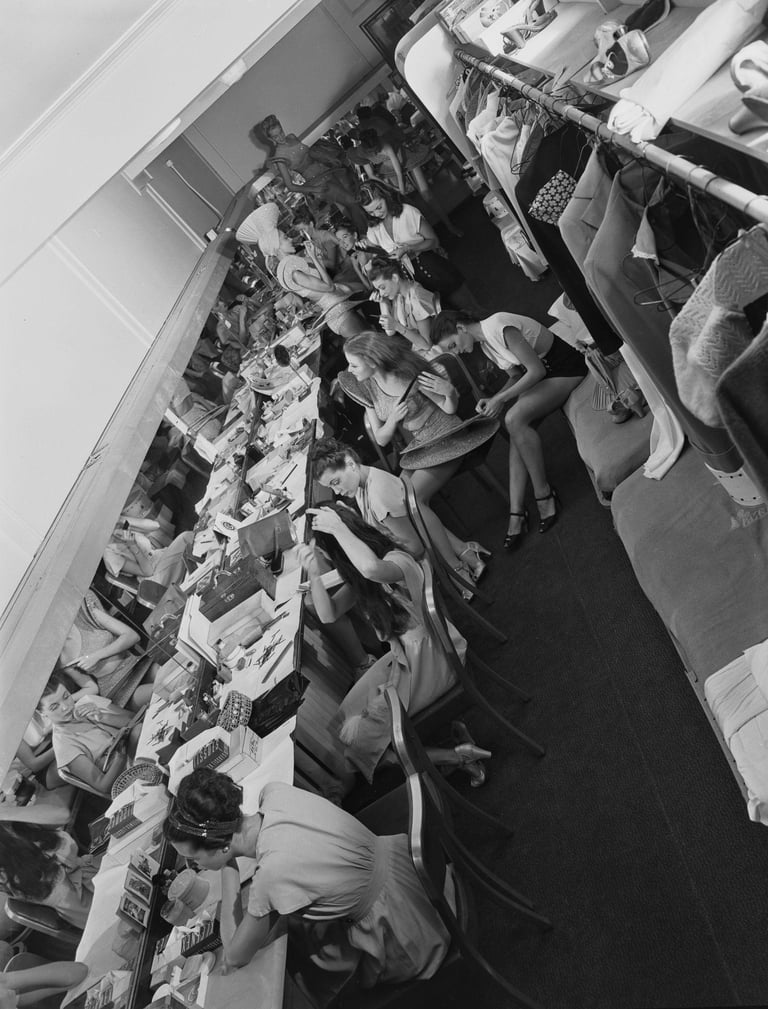
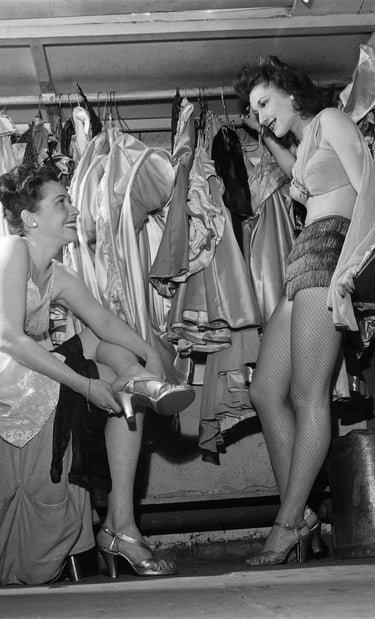
Fosse performed in raw, smoke-filled joints like the Silver Cloud on Milwaukee Avenue, the Gaiety Village and the Cuban Village. He also snuck into Minsky’s Burlesque at Lake and Van Buren. There, he studied the broad comedy and timing of low-tier performers.
Burlesque Beginnings
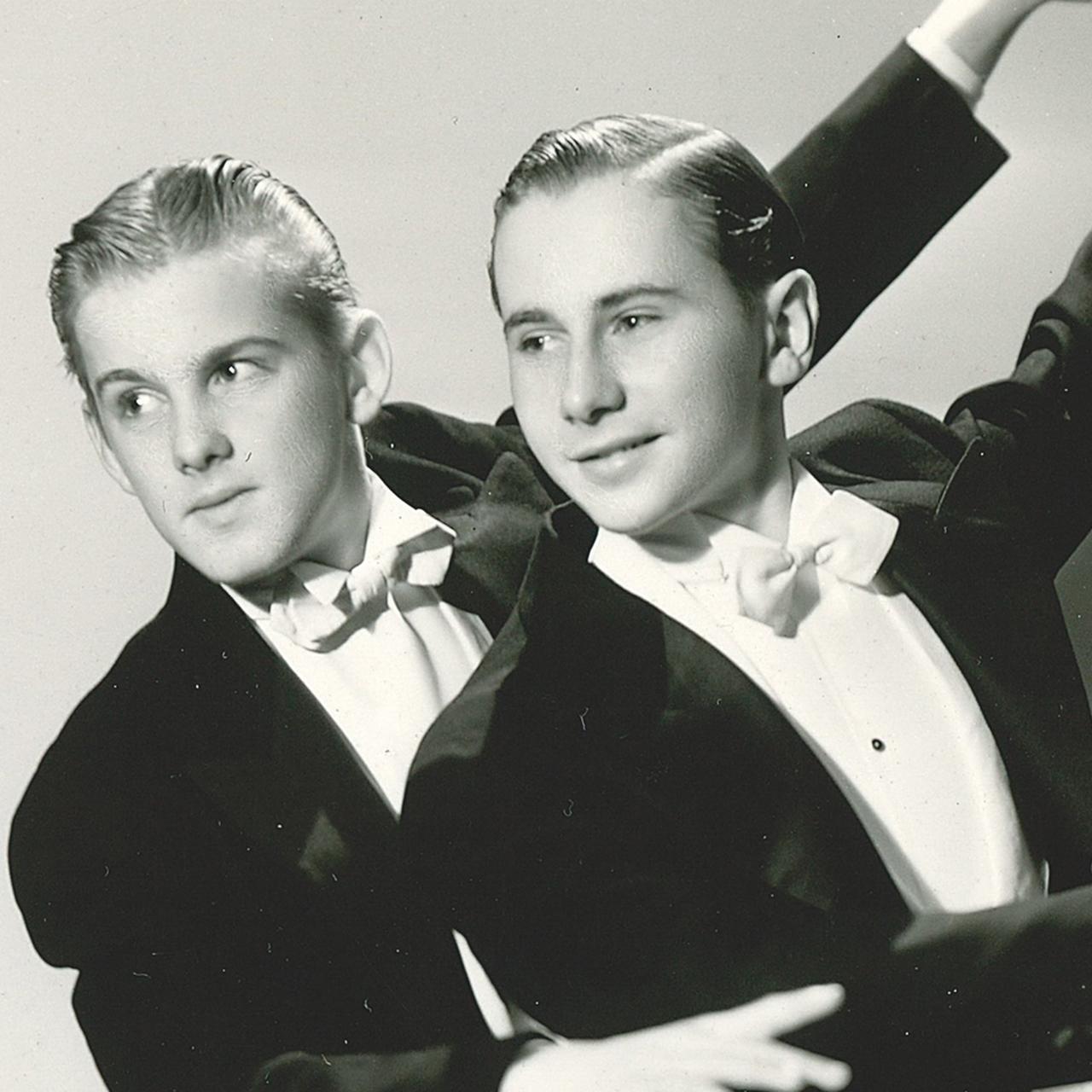
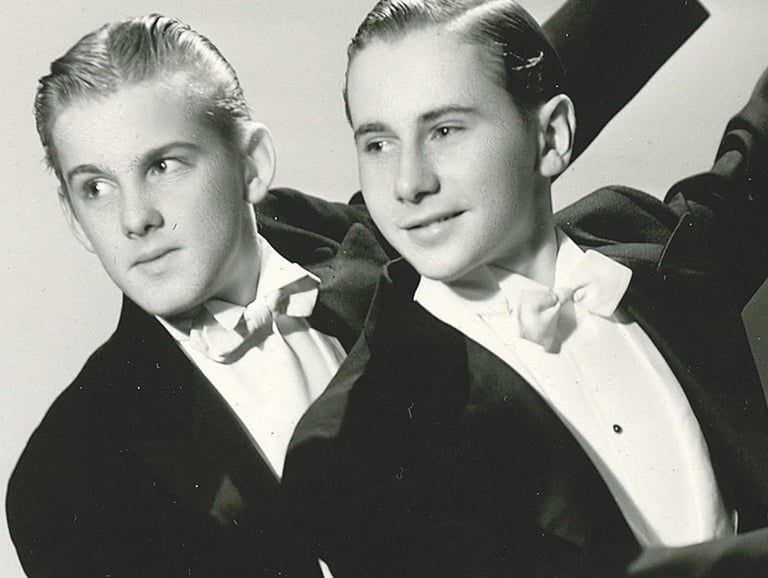
By age 13, Bob Fosse lived a double life. During the day, he was a popular high school athlete and class president. At night, he toured the Chicago burlesque circuit as half of the Riff Brothers act.
Atmospheric Sleaze
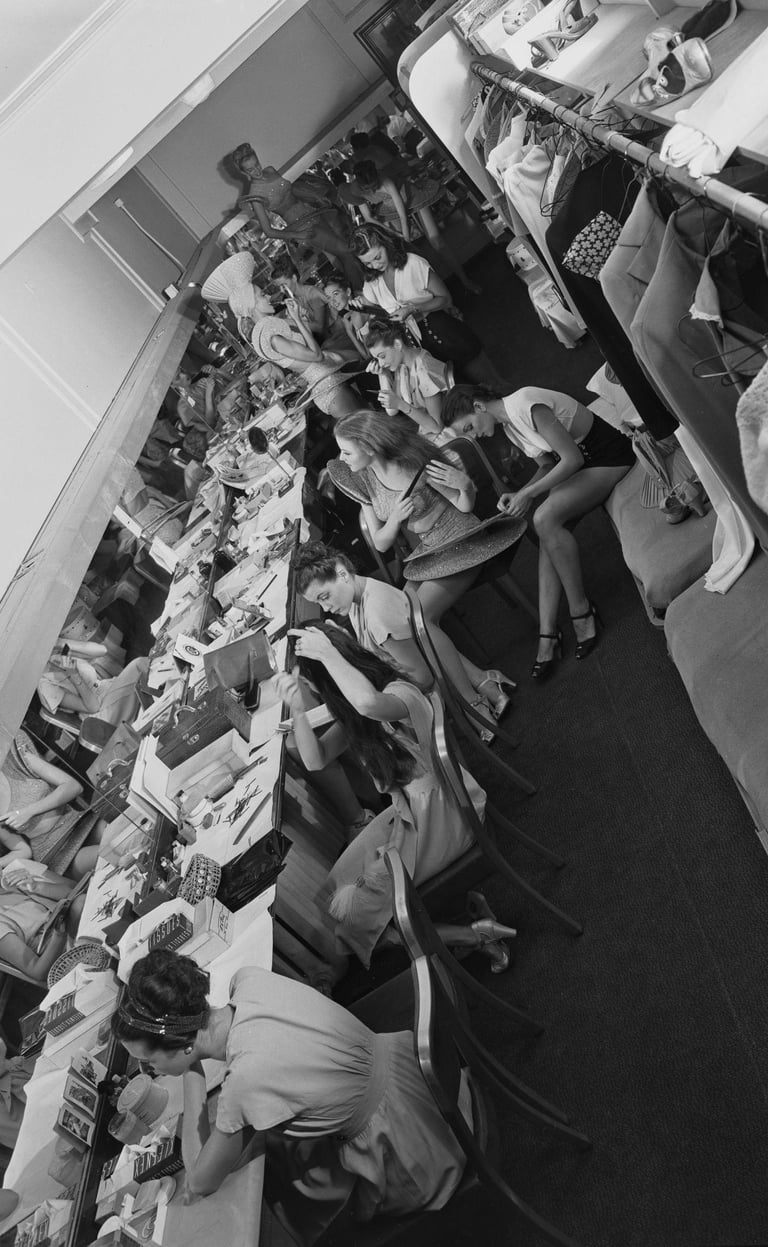
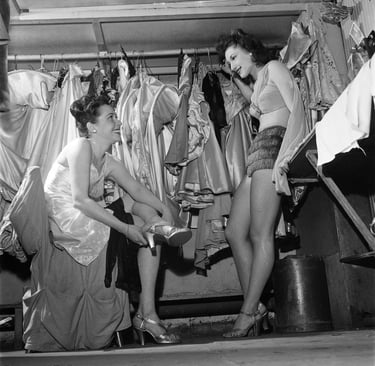
These clubs exposed the teenager to an intense, adult environment. On hot summer nights, Fosse and his partner, Charles Grass, shared tight, airless dressing rooms with naked striptease dancers. The older women frequently teased the teenage boys, pulling them onto their laps. Fosse later called this era a constant pull between Sunday school and his wicked underground life.
Hostile Audiences
Burlesque crowds had no patience for a children's tap act. They routinely shouted down Fosse's routines, yelling "Bring on the girls!" accompanied by catcalls. This hostile environment taught Fosse an essential lesson: flash and immediate visual impact matter more than raw talent. He learned to use sudden effects to manipulate and control an audience.
Turning Temptation into Art
The tension of his double life peaked at age 16. Just before going on stage, teasing from a dancer left Fosse with a visible erection. As the corny drum and saxophone cue began, he had to tug his jacket down frantically to hide the bulge, enduring laughs from the dancers and heckles from the crowd.
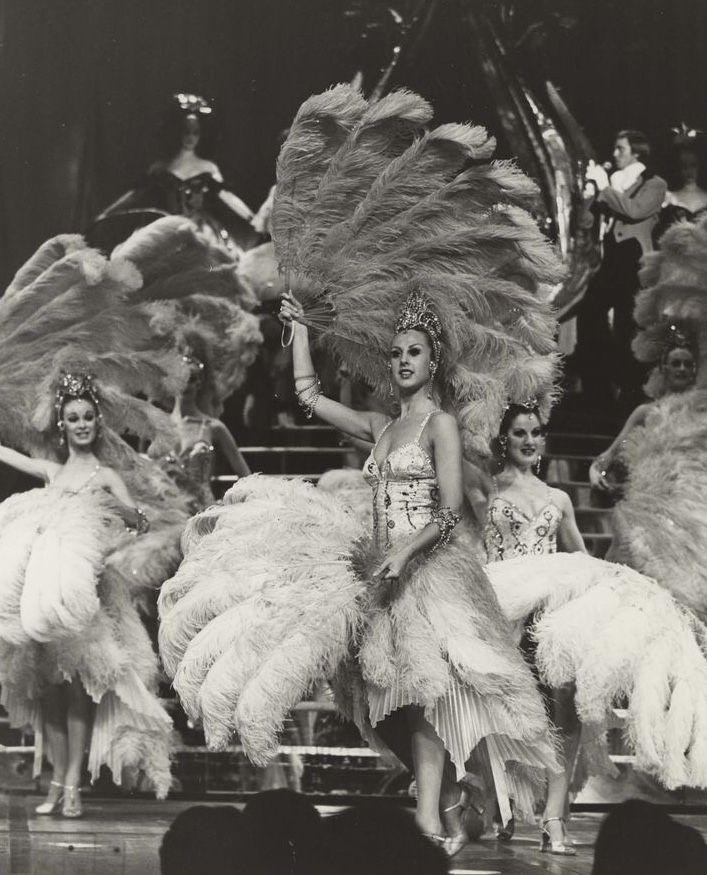
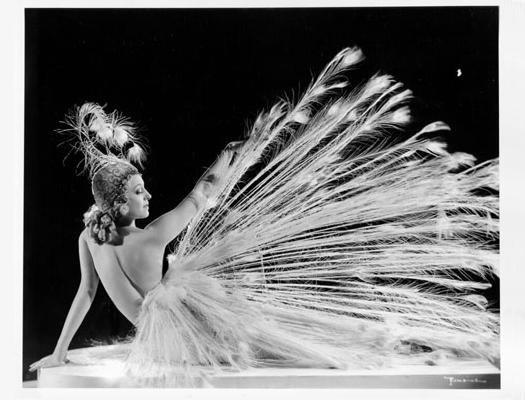
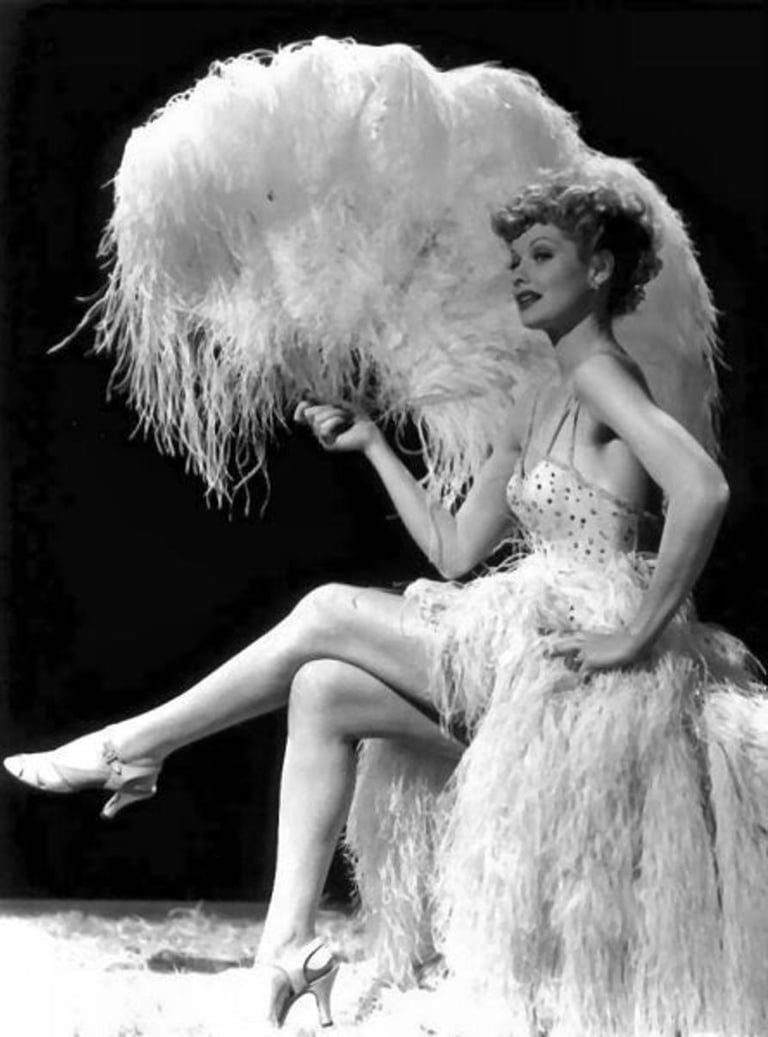
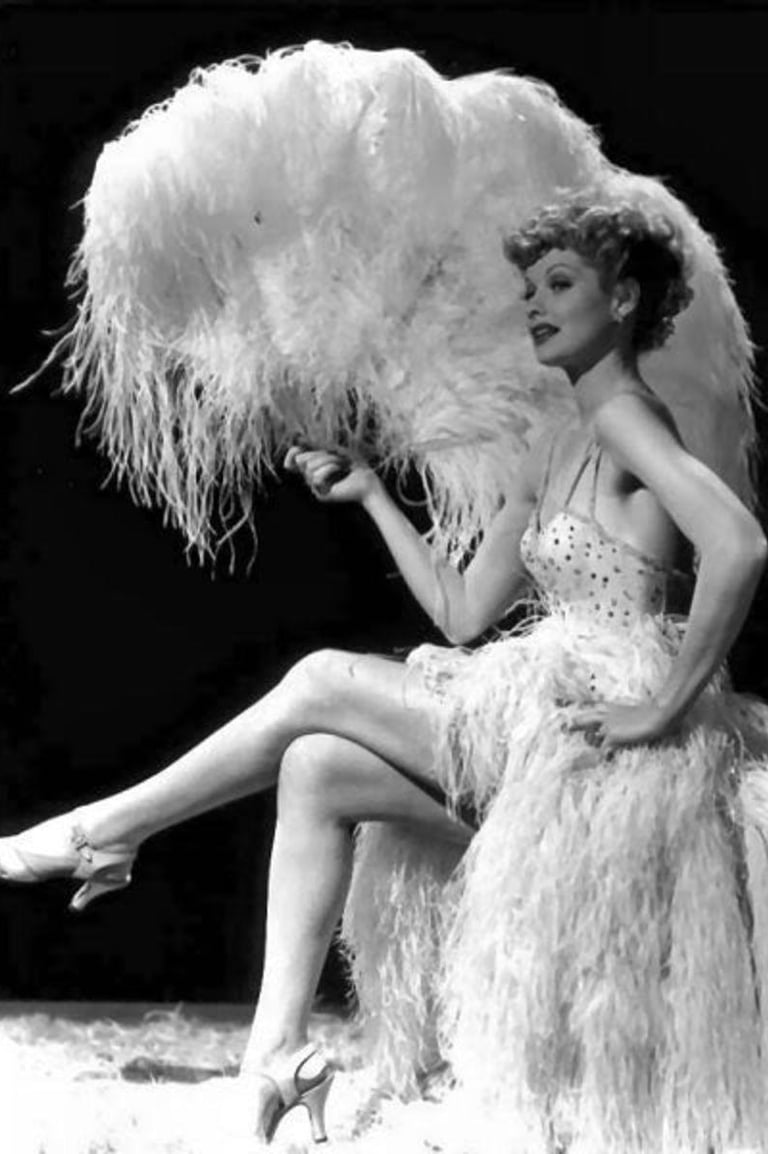
Despite the embarrassment, these rooms shaped his art. Fosse admitted that his first group choreography—a 1943 ostrich feather fan dance—came directly from these striptease acts, though he lied to his father and said it was inspired by fan dancer Sally Rand.
The Genius of Limitations
The Fosse style is a maze of various influences and he openly admitted that his choreography was based on his own physical limitations.
Hats and Hair Loss
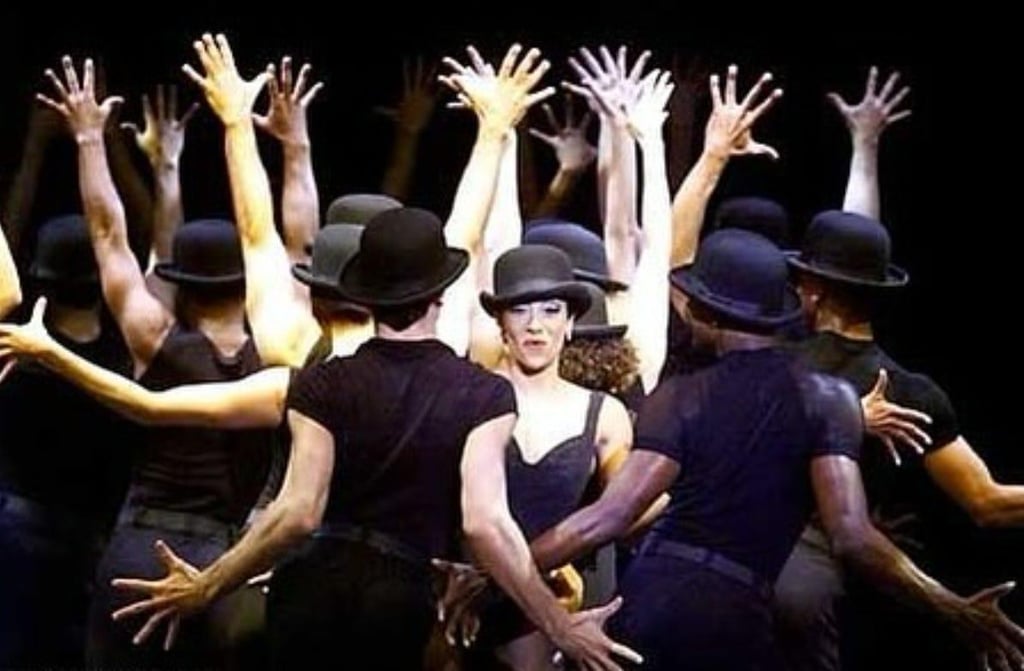
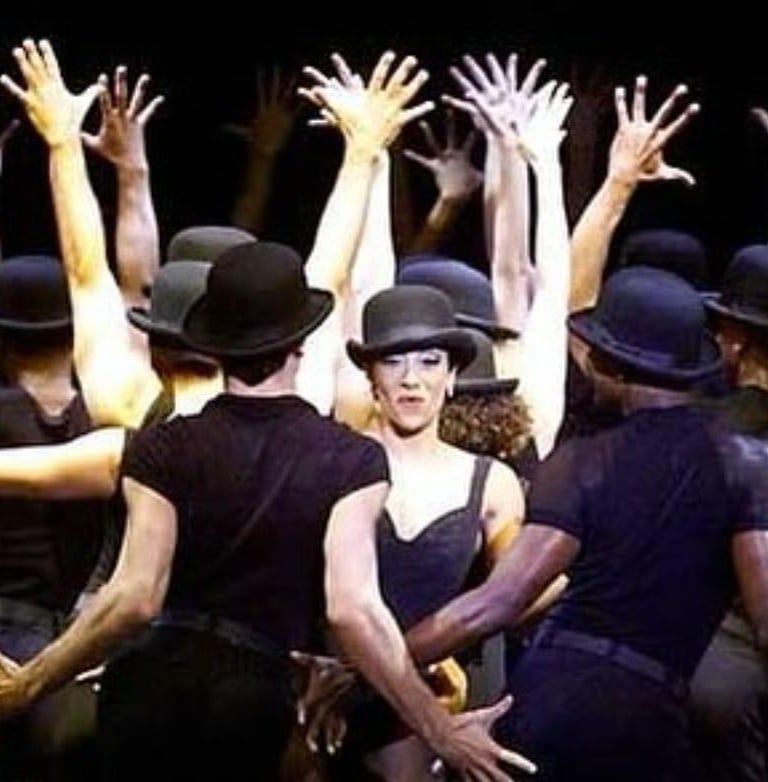
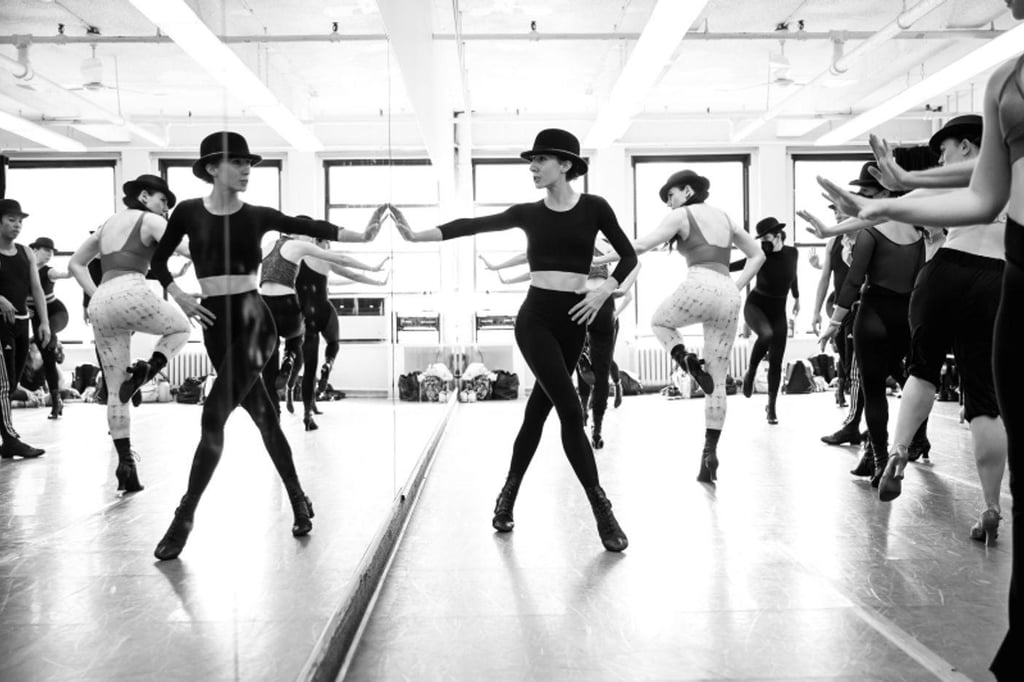
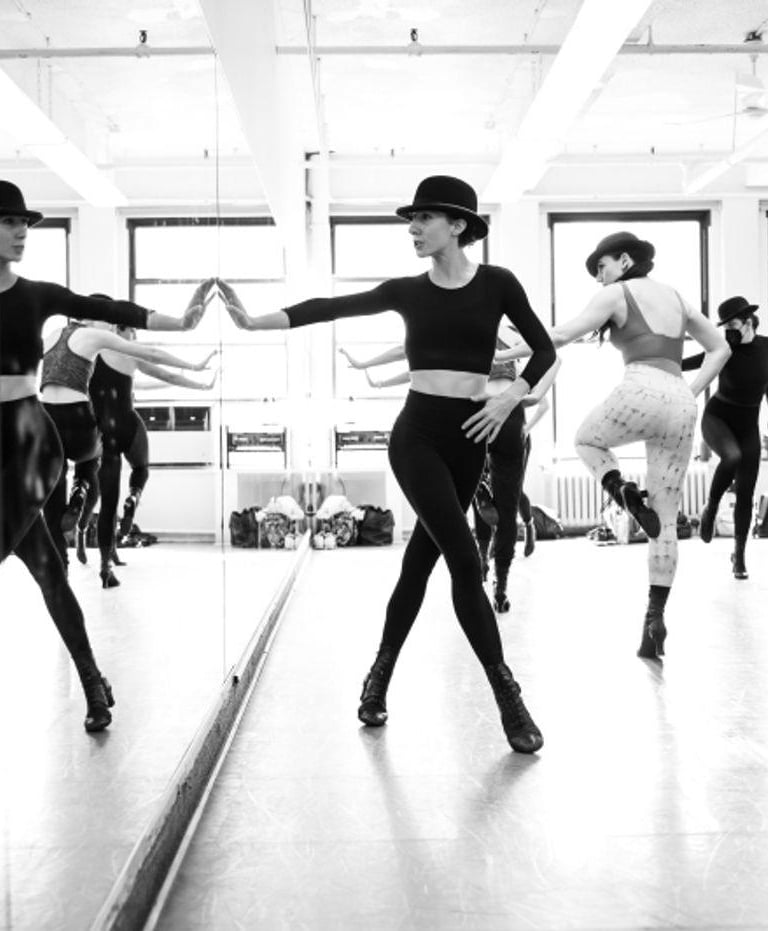
Fosse began losing his blond hair in his early twenties. He feared that balding was linked to a loss of sexual potency. He detested the hairpieces he had to wear in Hollywood and removed them at every opportunity, replacing them with hats. His personal insecurity became a permanent trademark when he put bowler hats on his dancers.
The "Question Mark" Stance
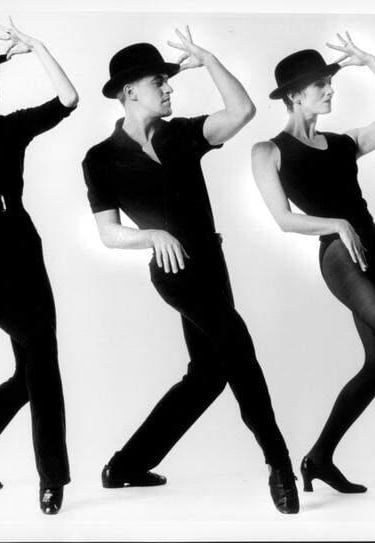
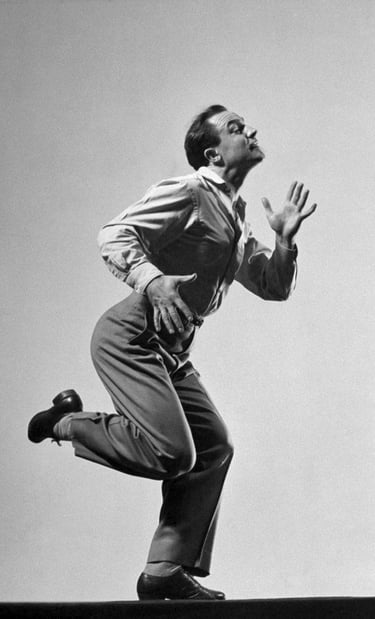
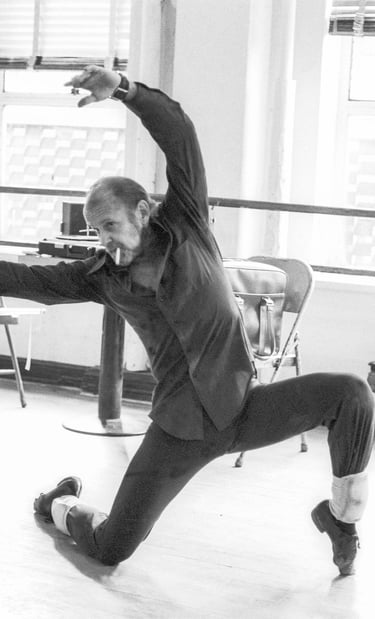
Fosse had naturally poor posture and slumped shoulders. Instead of fighting his anatomy, he used it. He created a silhouette that resembled a question mark, defined by hunched shoulders and a forward-thrust pelvis.
Inverted Knees
Unlike classical ballet dancers, Fosse lacked the ability to turn out his hips. He was naturally pigeon-toed and knock-kneed. He turned this into a core choreographic theme, forcing his dancers to lock their knees and turn their toes inward in an awkward, elfin look.
The Origin of "Jazz Hands"
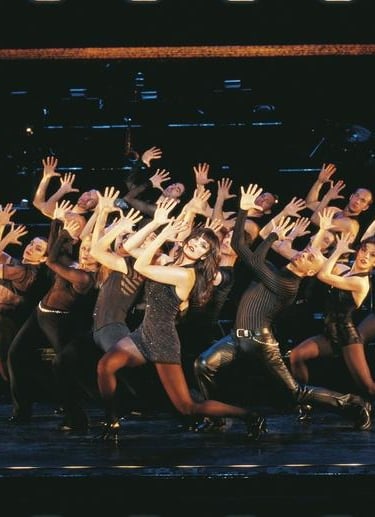
As a child at the Chicago Academy of Theatre Arts, Fosse refused to hold his hands in traditional ballet positions. He tucked his elbows in, spread his fingers wide, and faced his palms toward the audience. This stubborn habit became the famous "jazz hand" or "claw." He later added white gloves to his costumes to ensure that the audience noticed the movement.
Hacking His Early Training
Fosse’s early education at Frederic Weaver’s drugstore-top academy focused on tap, toe and acrobatics. It completely bypassed classical ballet. Later in life, Fosse studied formal dance for sixteen weeks - six weeks with Anna Sokolow and ten with Jose Limon. Lacking a deep lyrical vocabulary, he abandoned smooth, flowing movements and relied strictly on sharp, controlled isolated shuffles.
Psychology
Deep self-doubt and paralysing shyness drove Fosse's entire career. He overcame his internal anxiety through specific psychological coping mechanisms.
The "Bob Riff" Alter Ego
Fosse created a stage persona named "Bob Riff" to survive the bawdy world of nightclubs. Throughout his life, Fosse feared that this alter ego was his true self: a cheap performer who relied on corny vaudeville routines. He felt like a fraud who had been cheated of true movie stardom.
Overcompensation
Driven by ambition, Fosse believed he had to work twice as hard as everyone else to be half as good. He desperately wanted to replace Gene Kelly and Fred Astaire in Hollywood films. This fixation caused him to audition for roles he was wrong for, including the lead in The Conquering Hero, because he could not let go of his dream to be a performing star.
Weaponising Difference
Fosse realised that visual glitter could blind an audience to a lack of substance. He used "pizzazz" as a tool for audience manipulation,using the philosophy: "Watch the rabbit... not my hands." By focusing on tiny, isolated body movements—a bent wrist or a flickering eyelid—he grabbed the audience's attention and created the illusion of total mastery.
Survival Through Segmentation
When asked how he managed to be a class president, an athlete and an underground club dancer at the same time, Fosse explained his survival method: cope with life by partitioning it. You must learn to compartmentalise and never let your mind wander into one area while dealing with another. This mental discipline allowed him to survive a bizarre childhood and later transform those raw, backstage memories into masterpieces like Cabaret and Chicago.
Watch
Bob Fosse’s Style Explained Through All That Jazz
All That Jazz opens with an extended audition sequences which gives a great introduction to Fosse's dance style: the isolation, the fragmentation and the control.
Further Reading
All His Jazz: The Life of Bob Fosse by Martin Gottfried
The essential biography tracing Fosse’s early life, from burlesque houses to Broadway, and how those formative influences shaped his aesthetic.
Buy it here
The Hollywood Musical by Jane Feuer
This seminal book gives the film history context, the background against which Fosse brought his dazzling innovations.
Buy it here
Big Deal: Bob Fosse and Dance in the American Musical by Kevin Winkler
A breakdown of Fosse’s stage work, showing how his signature vocabulary evolved across shows like Sweet Charity, Pippin, and Chicago.
Buy it here
Explore the Series
[Start of the Series]
→ Part 2: The Muse and the Mastermind (The Gwen Verdon Years)
Bob Fosse Interview on The Dick Cavett Show
Fosse speaks extensively about his career and his style. The story of how his style was born from the great man himself.